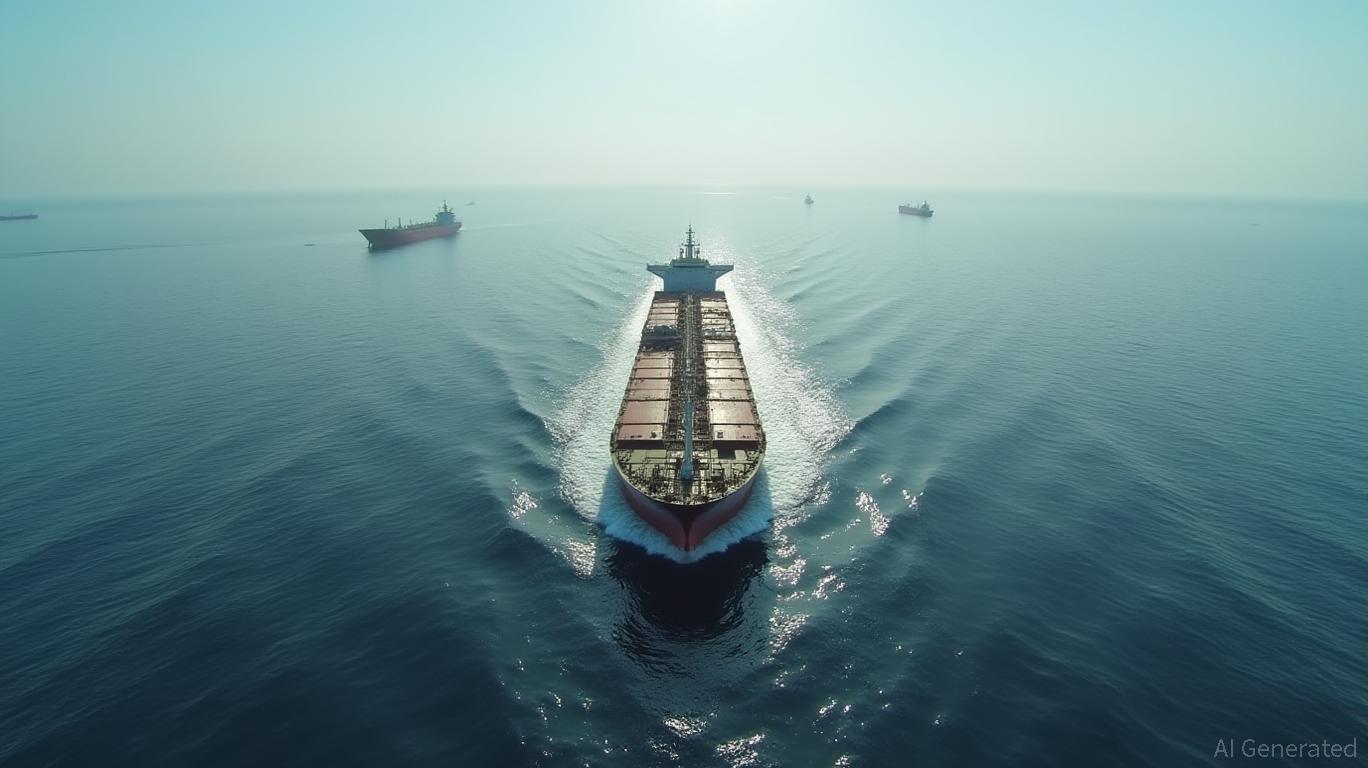
Fitch Ratings Strait of Hormuz closure likely temporary, oil price impact limited
TL;DR
Fitch Ratings expects the Strait of Hormuz closure to be temporary with limited long-term oil price impact, as GCC economies have bypass infrastructure and financial buffers to mitigate disruptions, though prolonged conflict could heighten credit risks.
Tags
Fitch Ratings Strait of Hormuz closure likely temporary, oil price impact limited
Fitch Ratings: Strait of Hormuz Closure Likely Temporary, Oil Price Impact Limited
Fitch Ratings has stated that the closure of the Strait of Hormuz due to escalating conflicts in the Middle East is expected to be temporary, with limited long-term implications for oil prices and sovereign credit ratings, provided hostilities do not escalate further according to Fitch Ratings. The Strait, through which over 20 million barrels of crude and refined products and significant liquefied natural gas (LNG) transit daily, has been effectively blocked since February 28, 2026, due to direct physical threats, insurance challenges, and operational risks as reported. However, Fitch's baseline scenario assumes the conflict will last less than a month, driven by factors such as the degradation of Iranian military capabilities and U.S. reluctance to prolong involvement according to the analysis.
While the closure poses immediate challenges, key Gulf Cooperation Council (GCC) economies—such as Saudi Arabia and the UAE—have infrastructure to bypass the Strait, including pipelines and stored oil reserves, mitigating the impact on exports Fitch noted. Bahrain, Kuwait, Qatar, and Iraq, which rely more heavily on Hormuz for energy exports, may face near-term disruptions. Higher global energy prices, however, could offset some revenue losses if shipments manage to resume partially as data suggests.
Fitch emphasized that material damage to energy infrastructure or prolonged hostilities would heighten risks for regional sovereign ratings. Most GCC nations maintain substantial financial buffers to absorb short-term revenue shocks, while non-energy sectors' limited taxation reduces fiscal vulnerabilities according to Fitch's assessment. For Israel, existing governance indicators already account for security risks, but an extended conflict involving large-scale mobilization could trigger a downgrade due to its constrained fiscal flexibility as Fitch stated.
Non-oil economic activity, including tourism and air travel, has already slowed, with potential lingering effects on regional business ecosystems. However, Fitch expects these impacts to remain temporary unless the conflict intensifies or persists beyond its current trajectory according to the analysis.
The agency reiterated that its base case remains highly uncertain, with prolonged energy export disruptions or shifts in Iran's geopolitical stability posing significant risks to credit profiles across the region as Fitch emphasized.