CFTC to Give Firms a Month to Respond to Enforcement Warnings
TL;DR
The CFTC is extending the response time for enforcement notices from 14 to 30 days, formalizing existing practices to enhance due process. Other updates include requiring objective evidence memos and removing outdated references, aligning with similar SEC changes.
Tags
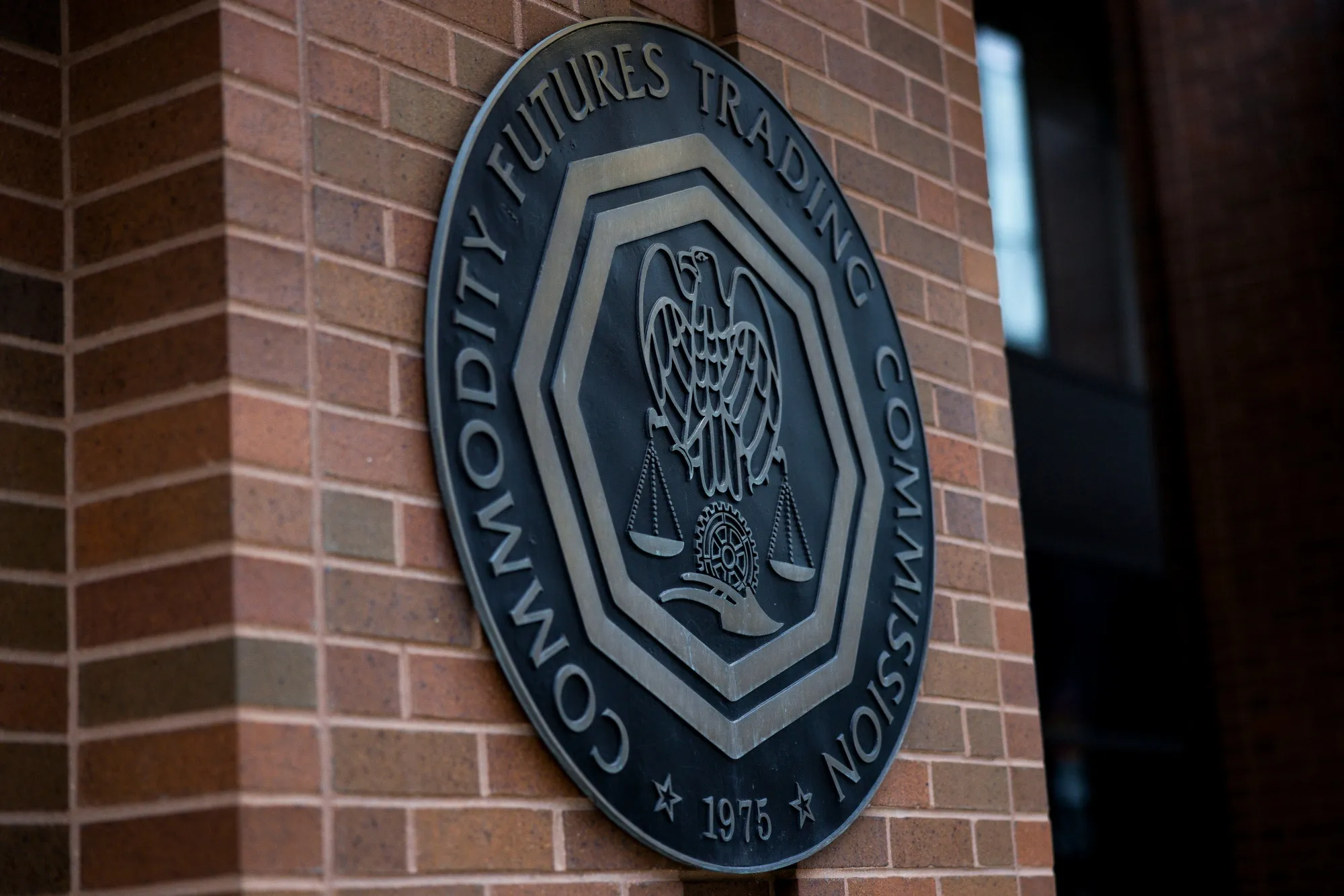
The US derivatives regulator is giving firms more time to defend themselves when they are targeted with enforcement actions.
Companies and individuals in the crosshairs of the US Commodity Futures Trading Commission will have 30 days to respond to formal enforcement notices instead of 14, among other revisions to the agency’s processes, CFTC Acting Chairman Caroline Pham said Monday.
“The Commission must be an objective finder of fact and neutral arbiter of law that respects the Constitution and Constitutional rights,” Pham said in a statement announcing the updated agency rules. “There must be no bias in the administration of justice and due process.”
Enforcement staff must also provide to CFTC commissioners an “objective” memorandum with citations to evidence when they recommend a settlement offer to the commission, according to the update. The update also scraps an outdated reference to fax machine communications.
The rules become effective once they’re published in the Federal Register. They largely cover tweaks to the Wells Notice process, a formal heads up to firms and individuals that the CFTC is considering an enforcement action like a lawsuit. Targets can then make the case that the matter should be dropped.
The Wells Notice response timeline update won’t drastically change agency practice, said Jeff Le Riche, a partner at Husch Blackwell and a former CFTC attorney. The CFTC has typically offered extra time to respond if companies or individuals ask for it.
“The extension from 14 to 30 days is really codifying what the general practice was to begin with,” Le Riche said. “It’s changing the rule to match what people were doing.”
Wells Notices also aren’t a required part of the enforcement process. Regulators wouldn’t give advanced notice to a potential fraudster they suspect is running a Ponzi scheme, for example, Le Riche said.
The CFTC enforcement update mirrors similar changes at the US Securities and Exchange Commission. SEC Chairman Paul Atkins in October outlined several updates to its Wells Notice process, including offering recipients at least four weeks to respond to them.
Pham is the lone active member of the five-person, bipartisan CFTC after a series of resignations this year. President Donald Trump appointed her as acting chairman in January and she has said she will step down once the president’s permanent choice is confirmed by the US Senate. Trump has picked SEC attorney Michael Selig to lead the CFTC.