IDF says home front command called up 20k reservists
TL;DR
The IDF has mobilized 20,000 additional reservists for the Home Front Command, bringing the total to 70,000, amid heightened regional tensions with Iran. This move may strain Israel's defense budget and impact economic stability, with potential effects on global markets.
Tags
IDF says home front command called up 20k reservists
Israel Mobilizes 20,000 Reservists for Home Front Command Amid Escalated Regional Tensions
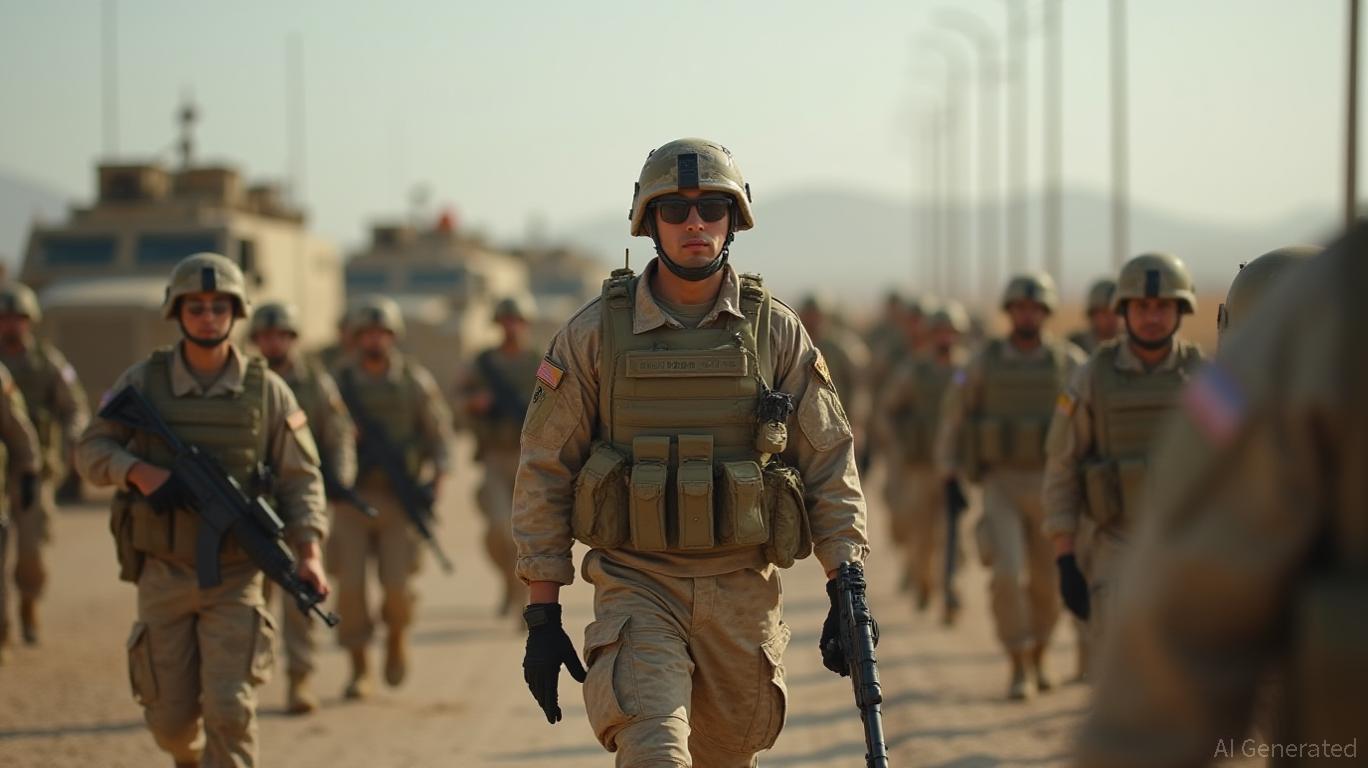
The Israeli Defense Forces (IDF) announced the mobilization of approximately 20,000 reservists for the Home Front Command, in addition to the 50,000 already deployed, as part of its ongoing operations against Iran. This brings the total active reservist force to 70,000, with a stated goal of mobilizing an additional 70,000 personnel in the coming days, primarily for aerial defense units. The move underscores heightened regional tensions and Israel's strategic prioritization of defensive capabilities.
From a financial perspective, large-scale mobilizations typically strain defense budgets and public resources. Israel's defense spending, already a significant portion of its national budget, may face further pressure as extended operations require sustained funding for personnel, logistics, and advanced military systems. Analysts note that such mobilizations could impact short-term economic stability, particularly if labor shortages arise from reservist deployments or if regional instability disrupts trade and investment flows.
The IDF's focus on the Home Front Command—responsible for civil defense, emergency response, and infrastructure protection—reflects concerns over asymmetric threats, including cyberattacks and missile campaigns. While the financial cost of these measures is not immediately quantified in available reports, historical precedents suggest that prolonged conflicts can lead to increased government borrowing and inflationary pressures.
Investors monitoring the region should consider the potential ripple effects on global markets, particularly in energy and defense sectors. Escalations in the Middle East often drive oil price volatility, while heightened demand for military technology may benefit defense contractors. However, the long-term economic impact will depend on the duration of hostilities and the success of diplomatic efforts to de-escalate tensions.
As of March 1, 2026, no official statements from Israeli authorities have been released regarding budgetary allocations for this mobilization. Further updates will be critical for assessing the broader financial implications for Israel and regional stakeholders.
The Israeli military has called up about 20,000 reservists, mainly in the Air Force, Intelligence Directorate, Home Front Command and Navy, amid its operation against Iran, adding to roughly 50,000 already on duty.