IEA to Release Record 400 Million Barrels From Oil Reserves
TL;DR
The IEA will release a record 400 million barrels from emergency oil reserves to combat price spikes from the Middle East war, though details on timing and logistics remain unclear. This move surpasses previous releases and aims to address supply disruptions, particularly from the Strait of Hormuz closure.
Key Takeaways
- •The IEA's 400 million barrel release is its largest ever, aimed at stabilizing oil prices amid Middle East war-driven supply disruptions.
- •Supply losses may exceed those from the 2022 Ukraine crisis, with the Strait of Hormuz closure affecting 20% of global seaborne oil.
- •Major producers like Saudi Arabia are cutting output, and logistical challenges could slow the reserve release's impact on markets.
- •The U.S. is expected to contribute significantly, but maximum drawdown rates may not fully cover daily supply gaps from the Persian Gulf.
Tags
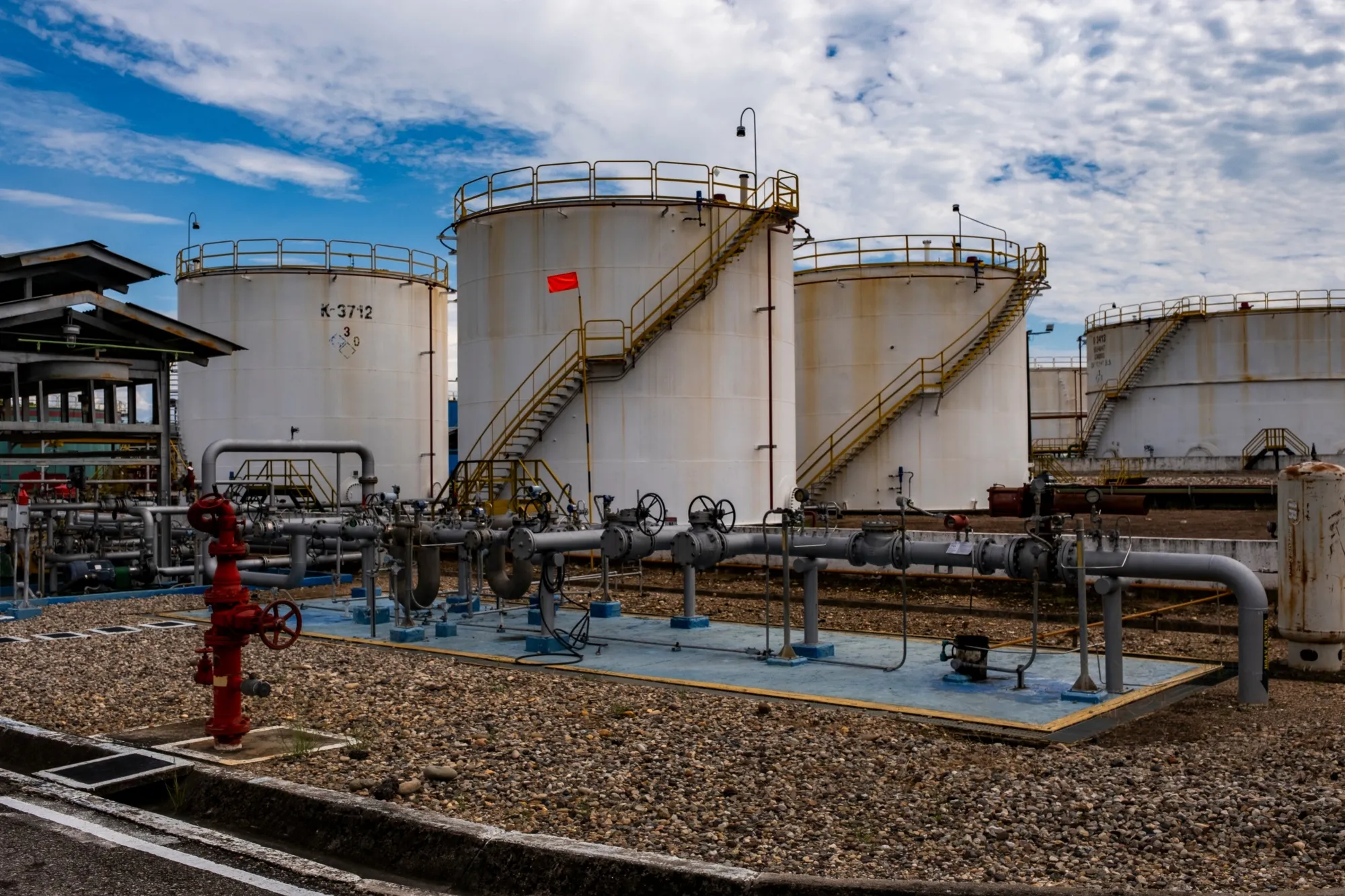
The International Energy Agency agreed to discharge 400 million barrels from emergency oil reserves, its largest-ever release, as governments seek to contain a price spike driven by the Middle East war.
“The oil market challenges we are facing are unprecedented in scale,” IEA Executive Director Fatih Birol said Wednesday in a statement. “IEA member countries have responded with an emergency collective action of unprecedented size.”
The decision was unanimous, Birol said, without specifying the pace, duration and location of the planned fuel releases — details that will be key for energy markets. Japan said earlier it would unilaterally release about 80 million barrels, starting as soon as March 16.
Oil soared to almost $120 a barrel in London earlier this week as flows through the Persian Gulf’s critical Strait of Hormuz remained essentially halted, though futures have since eased — in part on expectations that governments would tap their oil reserves. Prices dipped following Wednesday’s announcement, before ticking back up.
The most important thing for the stability of energy markets remains the resumption of traffic through the strait, Birol added.
The IEA’s move exceeds the 182.7 million barrels that member states ultimately put into the market in 2022 after Russia invaded Ukraine. That action, formally approved at a meeting of the agency’s governing board in March of that year, equated to a release of 2 million barrels a day in its initial month, and was subsequently extended and supplemented.
But potential supply losses from this crisis may be much bigger than in 2022.
While global oil markets had been in surplus at the start of this year, that picture has been upended by the effective closure of the Strait of Hormuz, through which about 20% of the world’s seaborne oil normally flows.
Output Cuts
With storage tanks in the region filling up, major producers including Saudi Arabia, the United Arab Emirates and Iraq are deepening supply cuts, shaving about 6% off global output. The UAE also halted operations at its biggest refinery, Ruwais, on Tuesday as a precaution after a drone strike in the area.
The IEA, which co-ordinates stockpile releases for OECD countries, has said its 32 members hold more than 1.2 billion barrels in public emergency stockpiles, including the largest buffer, the US Strategic Petroleum Reserve. There’s a further 600 million barrels of industry stocks under government obligation.
These countries are obligated to hold at least 90 days of net oil imports, which can consist of stockpiles maintained exclusively for emergency use or inventories held for commercial purposes, as well as stocks stored under bilateral agreements.
The US Strategic Petroleum Reserve, or SPR, currently contains about 415 million barrels of oil, or a little more than half its capacity. Established in the 1970s following the Arab oil embargo, the inventory is contained in massive and deep underground caverns at four heavily guarded sites along the Gulf of Mexico.
Some traders and analysts doubt that consumer governments will be able to tap inventories quickly enough to fill the yawning supply gap.
“The devil is in the details,” Homayoun Falakshahi, a senior analyst at intelligence firm Kpler Ltd., said before the IEA’s announcement. “The key question is how quick they will release this.”
US Reserve
The US “would likely supply the largest share of any release,” Natasha Kaneva, JPMorgan Chase & Co.’s head of commodity markets strategy, said in a note on Tuesday.
Even if the US SPR’s maximum drawdown rate is coupled with flows from other IEA members, it might cover just a portion of the 11 million-to-16 million barrels of supply from the Persian Gulf that Citigroup Inc. estimates is being lost each day.
The maximum drawdown capability of the US SPR is 4.4 million barrels a day, according to the Energy Department’s website, and it takes 13 days for SPR oil to reach the open market after a presidential decision.
The IEA has previously helped implement five such interventions: in the buildup to the 1991 Gulf War, after hurricanes Rita and Katrina in 2005, following the outbreak of civil war in Libya in 2011, and twice in 2022 in response to disruptions connected to the war in Ukraine.