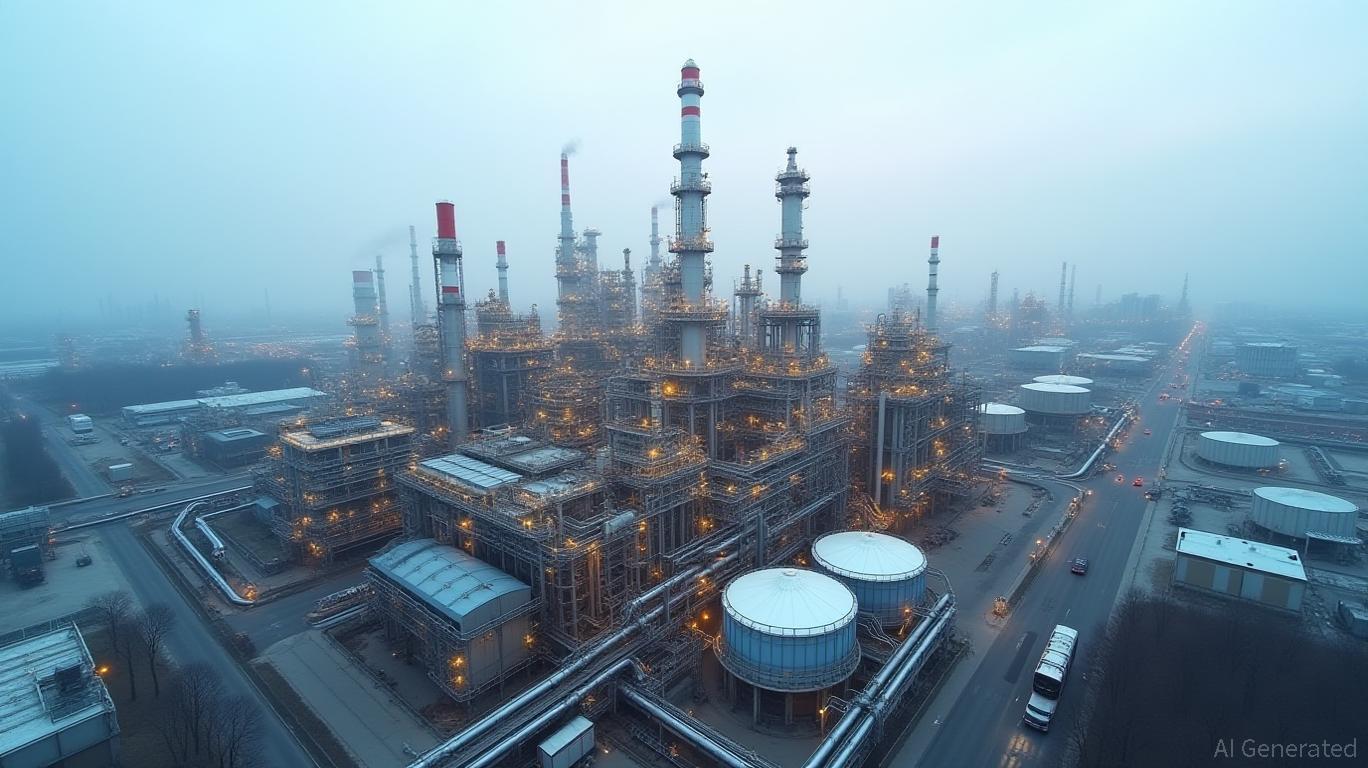
Moscow oil refinery unlikely to resume output this year: RTRS
Ukrainian forces have struck a major oil refinery in the Moscow region, causing a complete shutdown of operations at the facility, according to the General Staff of Ukraine. The attack targeted three RVS-10000 storage tanks and one RVS-30000 tank, with the precision of the strike resulting in an indefinite halt to oil refining activities. The refinery, owned by Gazpromneft, is one of the largest in the region and supplies a significant portion of Moscow’s fuel needs.
This incident follows a pattern of increasing drone attacks on Russian oil infrastructure, with the number of strikes doubling since the start of 2026. These attacks have led to partial or full shutdowns of refining operations and a decline in the production of key petroleum products such as gasoline, diesel, and jet fuel. The cumulative impact has been a six-month decline in Russian oil production, with output falling to 9.009 million barrels per day in May 2026, down from a peak of 9.38 million barrels per day in November 2025.
The damage to the Moscow refinery is particularly significant, as it has exacerbated existing fuel shortages across Russia. The country is now producing approximately 25% less gasoline than it did in the same period last year, according to Reuters. With nearly one-third of Russia’s refining capacity offline due to Ukrainian strikes, analysts suggest that the refinery may not resume full operations this year.
The disruption has also affected Russia’s fuel export capabilities, with sea exports falling by 15% in the first half of June compared to the first half of May. While higher crude oil exports have partially offset the decline in refined product output, the long-term impact on government revenues remains a concern, as the federal budget relies heavily on taxes from oil production.
The repeated targeting of the Moscow refinery underscores the growing effectiveness of Ukraine’s long-range drone capabilities and highlights the vulnerability of Russia’s critical infrastructure. As the war continues, the financial and logistical strain on Russia’s energy sector is expected to intensify, with potential implications for global oil markets and regional stability.