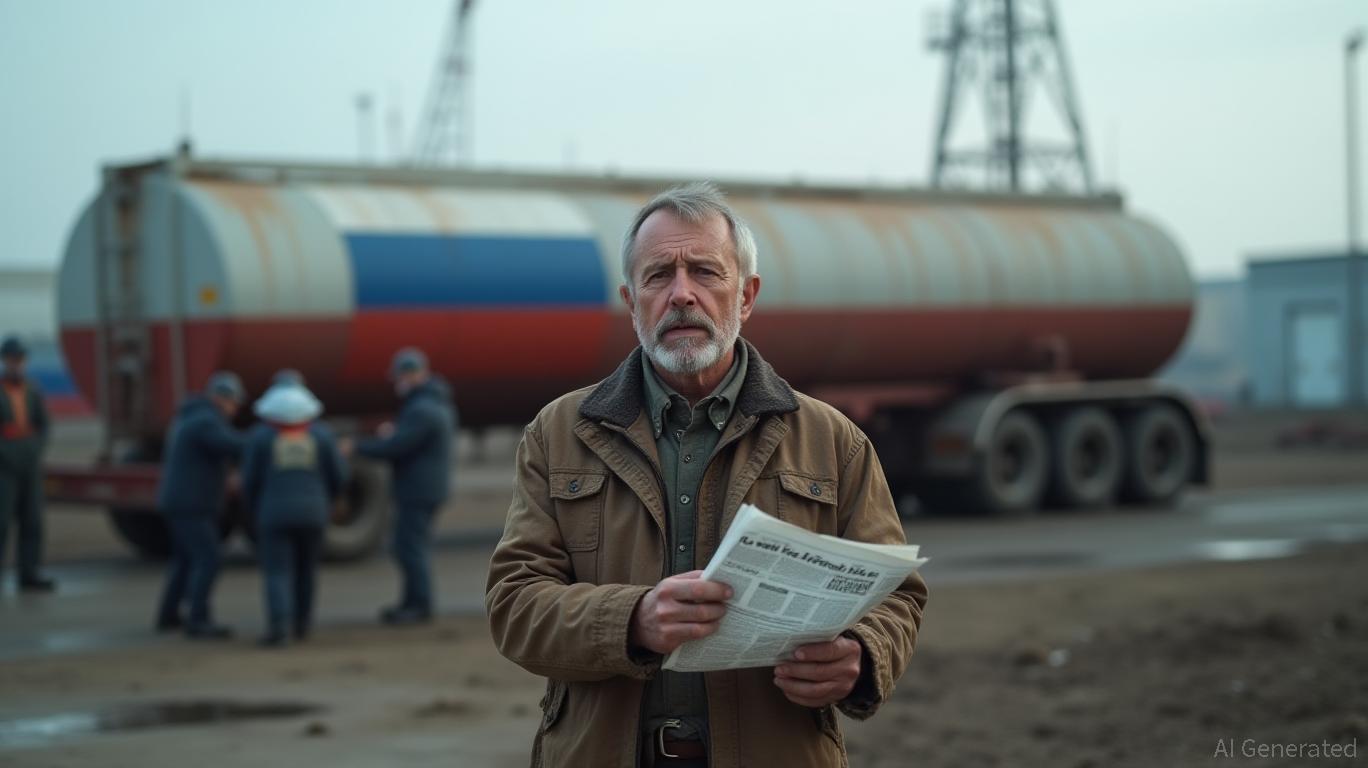
Reiche: worried Russian oil sales will help fund Putin's war
TL;DR
Russian oil and gas revenues, exceeding €883 billion since 2022, continue funding Putin's war in Ukraine despite sanctions. EU states contributed €228 billion, with Asian nations like India and China buying most crude via shadow tankers. Experts call for stricter measures, such as closing refining loopholes, to curb this financial support.
Tags
Global concerns persist over Russian oil and gas revenues, which continue to fund President Vladimir Putin’s war in Ukraine despite extensive sanctions. Data from the Centre for Research on Energy and Clean Air reveals that since February 2022, Russia has generated over €883 billion from fossil fuel exports, far exceeding the €52 billion in aid allocated to Ukraine by EU institutions as of May 2025. EU member states alone contributed €228 billion to Russian hydrocarbon sales, with pipeline gas and crude oil exports remaining a critical revenue stream, particularly via Hungary, Slovakia, and Turkey.
Rising oil prices and geopolitical tensions, such as disruptions in the Strait of Hormuz, have exacerbated the challenge. Higher prices increase the financial incentive for buyers to purchase discounted Russian crude, even through sanctioned "shadow" tankers. CREA estimates €1.3 billion of Russian crude is currently at sea awaiting buyers, with Asian nations like India and China accounting for 93% of Russia’s crude exports in 2025.
Sanctions targeting the shadow fleet—aging tankers evading Western oversight—have had mixed results. While 565 vessels have been sanctioned by G7+ nations since 2022, Russia’s reliance on these ships persists, with 60% of seaborne crude exports transported by sanctioned tankers by late 2025. False flagging of vessels has declined under enforcement pressure, but Russian-flagged tankers now dominate the shadow fleet, signaling a shift toward overt operations.
CREA and experts urge stricter measures, including closing the "refining loophole" (where Russian crude is processed in third countries before re-exporting to sanctioning nations) and banning Russian LNG imports to Europe. Without stronger action, analysts warn that global energy dependence will continue to indirectly sustain the war effort.