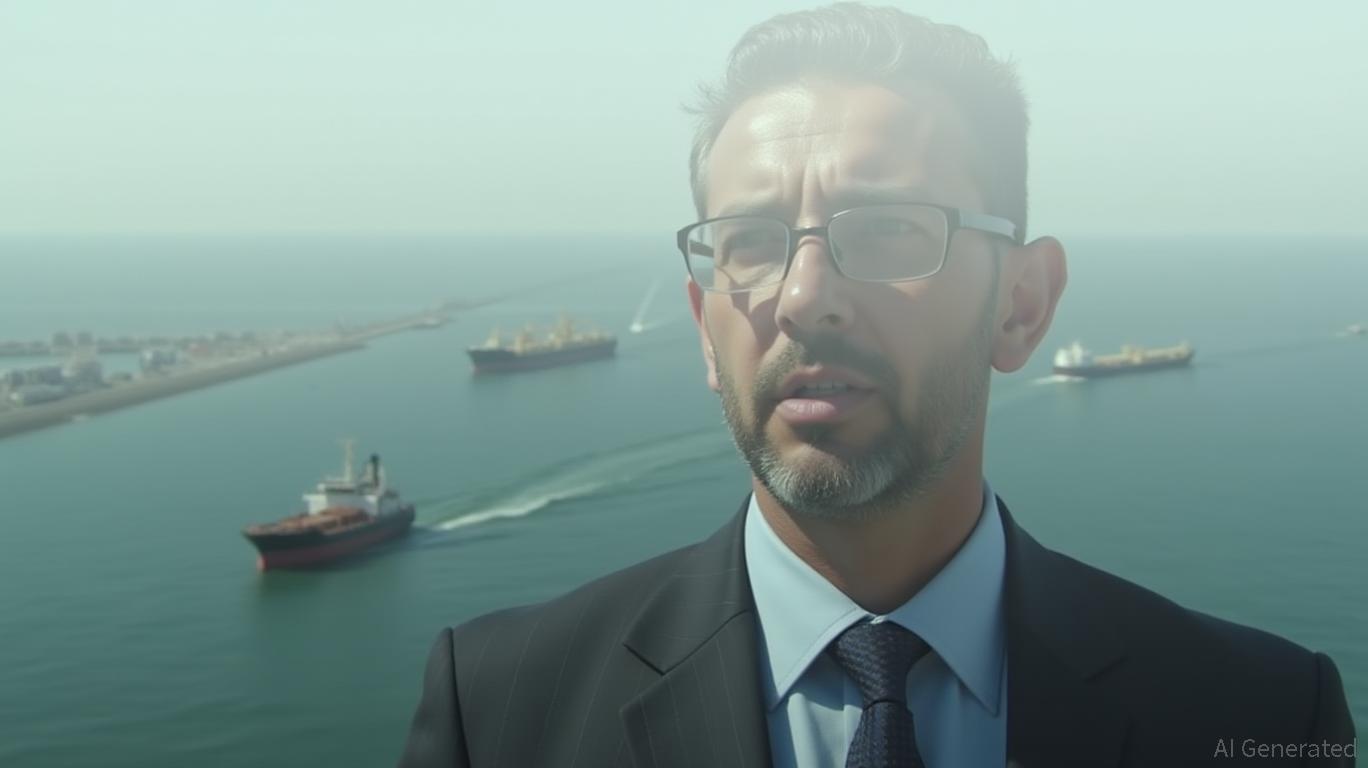
Araghchi: Outside interference in Hormuz risks escalation
Iran's foreign minister, Saeed Araghchi, has warned that external interference in the Strait of Hormuz could lead to further escalation in regional tensions. The Strait, a critical global energy chokepoint, has been at the center of geopolitical and military posturing between Iran, the United States, and its allies. Recent developments, including Iran's establishment of the Persian Gulf Strait Authority (PGSA), have raised concerns about the potential for disruptions to oil and liquefied natural gas (LNG) shipments, which 20% of global crude oil trade and 22% of LNG exports.
The PGSA, announced in May 2026, seeks to impose tolls, inspections, and route restrictions on vessels transiting the Strait, effectively challenging the existing international maritime norms. The United States and its Gulf allies have rejected the initiative as an illegitimate attempt to assert control over the waterway. The U.S. Treasury Department has designated the PGSA as an Iranian Revolutionary Guard Corps (IRGC)-linked scheme and warned about secondary sanctions.
The Strait of Hormuz is vital for global energy markets, particularly for Asian economies reliant on oil and LNG imports. A sustained disruption in shipments could lead to significant price volatility, especially given the already constrained global supply environment. Oil prices risen nearly 30% since the escalation of hostilities in February 2026, with LNG prices also experiencing upward pressure. The International Energy Agency (IEA) has highlighted the limited capacity of global spare oil production and strategic reserves to offset a prolonged disruption, which could exacerbate inflationary pressures and economic instability.
While Iran has not physically closed the Strait, its actions—including minelaying attempts and missile strikes—have created an environment of uncertainty for commercial shipping. The U.S. military has responded with increased naval presence and mine-clearance operations, emphasizing its commitment to maintaining freedom of navigation. However, the risk of further military escalation remains high, particularly if Iran continues to enforce its PGSA through coercive means.
Aragchi's warning underscores the delicate balance between maintaining regional stability and protecting global energy flows. As negotiations continue between the U.S. and Iran, the international community is closely monitoring developments to ensure that the Strait remains open and that the global economy is not subjected to further shocks.