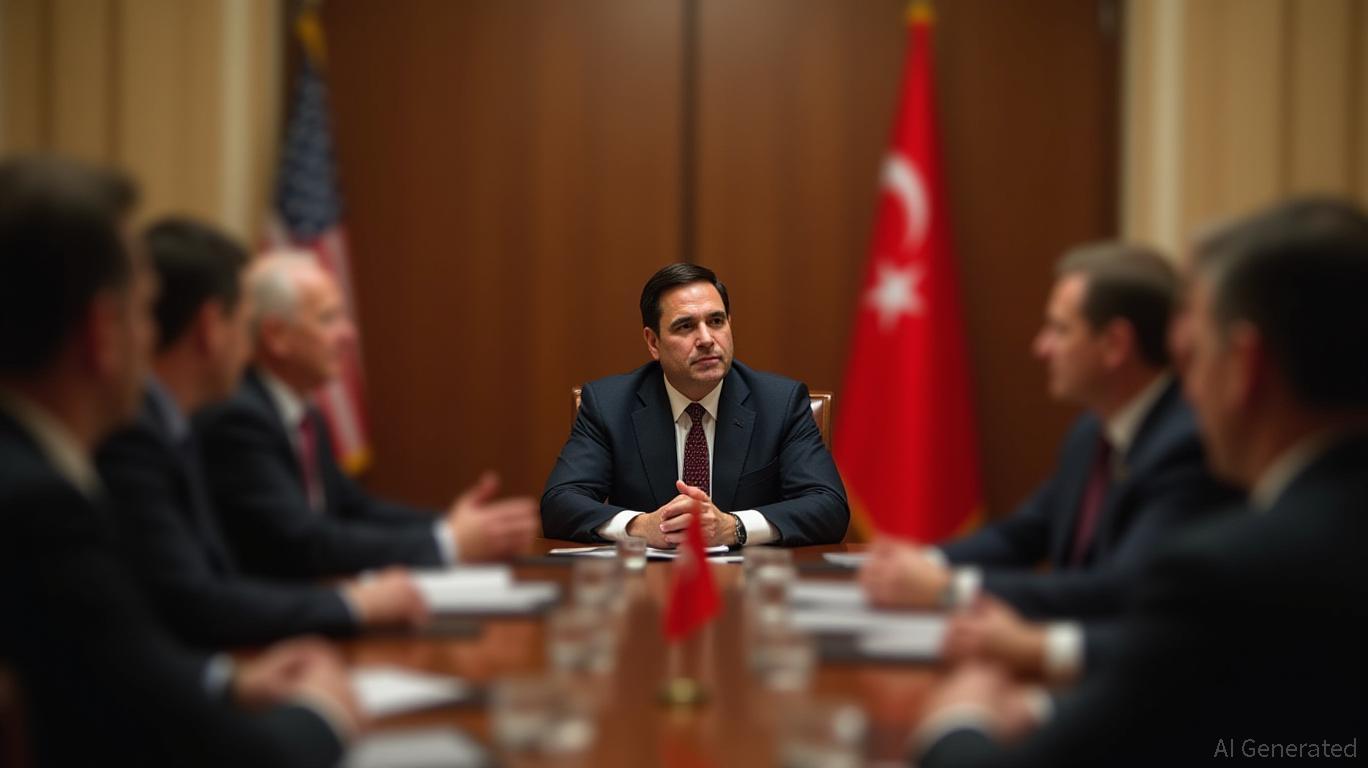
Rubio pledged full support for Turkey in call
TL;DR
U.S. Secretary of State Marco Rubio pledged full support for Turkey in a call with Turkish Foreign Minister Hakan Fidan, focusing on strengthening bilateral ties and NATO collaboration. However, discrepancies emerged over concerns about Turkey's domestic issues, and discussions included Turkey's efforts to lift sanctions and rejoin the F-35 program, highlighting complex U.S.-Turkey relations.
Tags
Rubio pledged full support for Turkey in call
U.S.-Turkey Diplomatic Engagement Highlights Strategic Cooperation Amid Divergent Narratives
U.S. Secretary of State Marco Rubio recently engaged in discussions with Turkish Foreign Minister Hakan Fidan, emphasizing the importance of strengthening bilateral ties and NATO collaboration. According to official statements, the calls centered on advancing peace and stability in the Middle East, including efforts to resolve the Russia-Ukraine conflict through diplomatic channels. However, discrepancies emerged regarding the scope of concerns raised during the talks.
A Turkish diplomatic source clarified that Rubio did not explicitly voice U.S. concerns about recent arrests and protests in Turkey, as initially stated in a social media post by the Secretary. The source noted that the issue was "touched upon in a different way" than reflected publicly, suggesting a divergence between official messaging and the actual dialogue. This has sparked questions about the alignment of U.S. and Turkish priorities amid domestic political tensions in Turkey, including anti-government protests linked to the detention of Istanbul's mayor.
Financial and strategic implications of the discussions remain significant. Turkey has sought U.S. support to lift sanctions imposed over its 2021 purchase of Russian S-400 missile defense systems, which could unlock opportunities for U.S. defense contractors. Additionally, Ankara aims to rejoin the F-35 fighter jet program, a move that would require congressional approval and could impact U.S. aerospace industry revenues. As reported, the broader context of U.S.-Turkey relations under President Donald Trump's administration—marked by warmer ties compared to the Biden era—suggests potential shifts in trade and defense policy. Investors may monitor future developments, particularly as Turkey navigates domestic political challenges and seeks to leverage its strategic position in regional diplomacy.
The dialogue underscores the complexity of U.S.-Turkey relations, balancing geopolitical cooperation with domestic and economic considerations. As both nations align on certain global priorities, unresolved tensions and differing narratives highlight the need for continued diplomatic engagement.