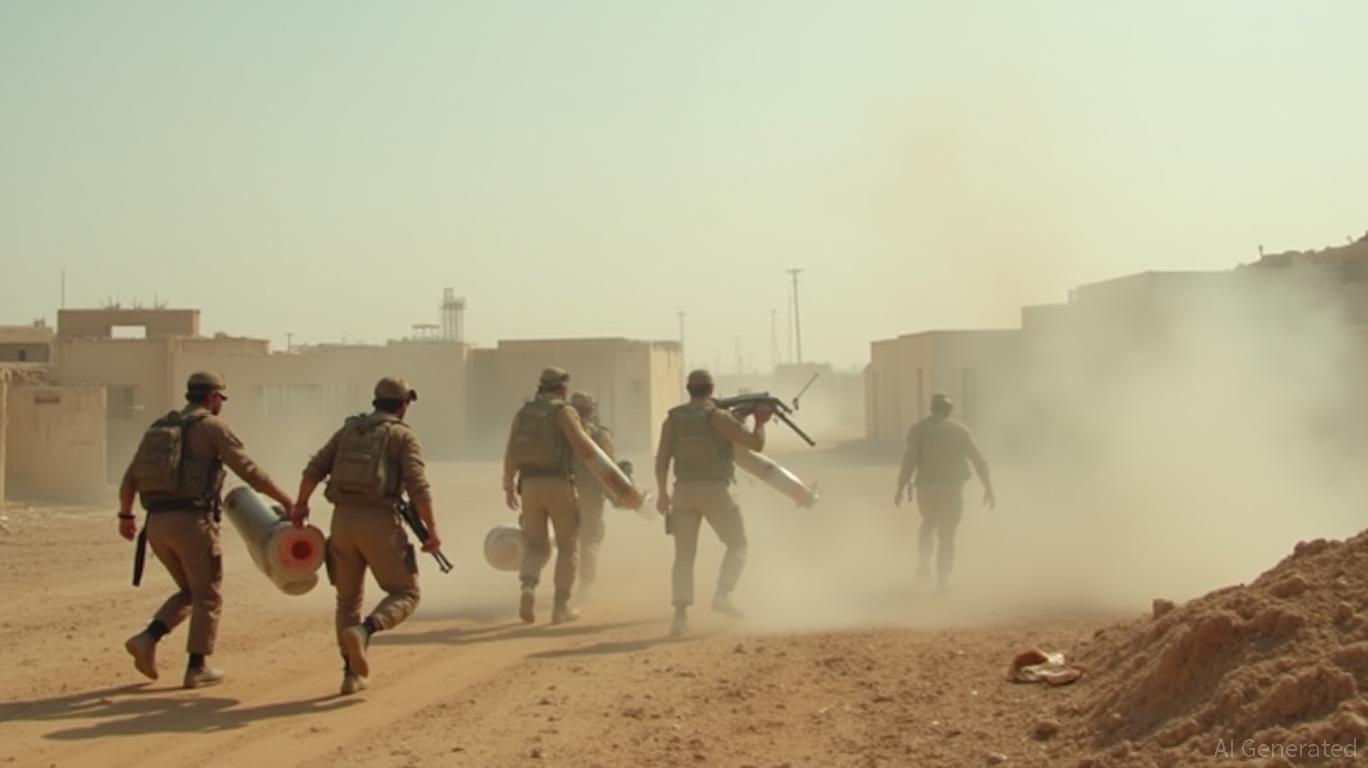
NYT: Documentation of the use of "white phosphorus" near the city of Tyre and the towns of "Al-Qulay'ah," "Al-Khayam," and "Yahmor" since the resumpti...
Amnesty International and Human Rights Watch have documented the use of white phosphorus munitions by Israeli forces in several locations along the Israel-Lebanon border, including the southern Lebanese town of Yahmor and the border towns of Al-Qulay'ah and Al-Khayam, since resumption of cross-border hostilities. These incendiary weapons, primarily used to create smoke screens or mark targets, have raised significant concerns due to their potential to cause severe harm to civilians and civilian infrastructure. White phosphorus burns at extremely high temperatures and can ignite fires in the areas where it is deployed, leading to respiratory damage, organ failure, and life-changing injuries.
Amnesty International’s Crisis Evidence Lab verified videos and photos showing the use of white phosphorus in these areas, including artillery-dispersed smoke plumes consistent with white phosphorus munitions. The organization also interviewed local officials, residents, and medical personnel who reported injuries and displacement linked to the use of these weapons. In Yahmor, for example, residents described a dense white smoke and a garlic-like odor, consistent with the characteristics of white phosphorus, and noted that homes and vehicles caught fire.
The use of white phosphorus in populated areas is restricted under international humanitarian law. Protocol III of the Convention on Conventional Weapons (CCW) prohibits airdropped incendiary weapons in concentrations of civilians and limits the use of ground-launched incendiary weapons in such areas. While Lebanon has acceded to the protocol, Israel has not. Amnesty International has called for an immediate halt to the use of white phosphorus in populated areas and for the attack on Dhayra to be investigated as a potential war crime.
The escalation of hostilities has led to significant displacement, with nearly 20,000 residents displaced in southern Lebanon as of October 2023. The humanitarian impact of these attacks has been profound, with civilians facing not only immediate physical harm but also long-term economic and social consequences. As the conflict continues, the financial and human costs of these military operations remain a pressing concern for regional stability and international investors.