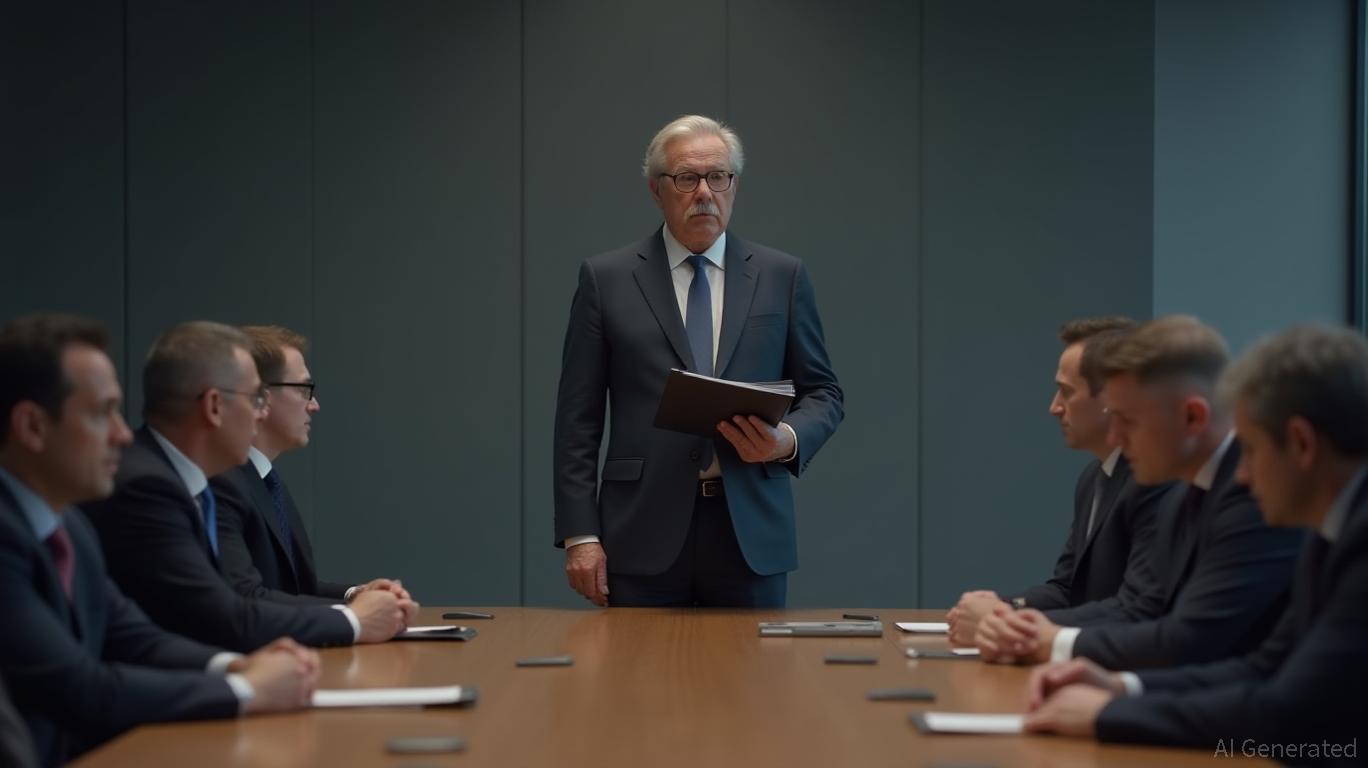
Russian foreign ministry: EU's ambition to take part in Ukraine negotiations do not have any grounds
TL;DR
Russia rejects EU participation in Ukraine peace talks, citing the bloc's lack of neutrality due to sanctions and support for Kyiv. This stance complicates negotiations, as Russia opposes NATO expansion and demands territorial concessions.
Tags
Russian foreign ministry: EU's ambition to take part in Ukraine negotiations do not have any grounds
Russia Rejects EU Role in Ukraine Peace Negotiations, Citing Geopolitical Tensions
The Russian Foreign Ministry has firmly dismissed the European Union's aspirations to participate in peace negotiations involving Ukraine, asserting that the bloc lacks neutrality and is "intrinsically part of the conflict" due to its economic and military support for Kyiv.
Deputy Foreign Minister Alexander Grushko emphasized that the EU's "subversive role" and sanctions against Russia, including the 16th package of measures adopted in February 2025, undermine its credibility as a potential guarantor or observer in any ceasefire agreement.
The EU's sanctions, which include restrictions on financial messaging systems, maritime transport bans for Russia's shadow fleet, and export controls on dual-use technologies, have intensified economic pressure on Moscow. However, Russian officials argue these actions preclude the EU from acting as a neutral mediator. Kremlin spokesman Dmitry Peskov reiterated that European troop deployments or security guarantees for Ukraine would equate to NATO's expansion into the region—a policy Russia has consistently opposed.
Meanwhile, Ukrainian President Volodymyr Zelenskyy has advocated for security guarantees akin to NATO's Article 5 collective defense clause, though details remain undisclosed. U.S. President Donald Trump has suggested European nations should shoulder primary responsibility for such guarantees, a stance Russia rejects as a proxy for NATO entrenchment.
The Russian Foreign Ministry's position reflects broader skepticism toward multilateral diplomacy, with officials framing EU involvement as an extension of Western geopolitical strategy. This stance complicates efforts to establish peace talks, as Kyiv and its Western allies prioritize security assurances while Moscow insists on territorial concessions and non-NATO troop presence.
As diplomatic efforts continue, the absence of EU mediation underscores the deepening divide between Russia and Western institutions, with economic sanctions and geopolitical rivalries shaping the trajectory of the conflict. Investors and analysts are closely monitoring how these tensions influence global energy markets, trade flows, and regional stability in Eastern Europe.
(https://www.consilium.europa.eu/en/policies/eu-solidarity-ukraine/timeline-russia-military-aggression-against-ukraine/): EU sanctions package details, European Council
(https://www.dagens.com/news/russia-tells-eu-it-has-no-place-in-ukraine-peace-deal): EU as "part of the conflict," Dagens
(https://www.aljazeera.com/news/2025/8/27/russia-opposed-to-european-security-guarantees-for-ukraine-says-kremlin): Security guarantees and NATO opposition, Al Jazeera