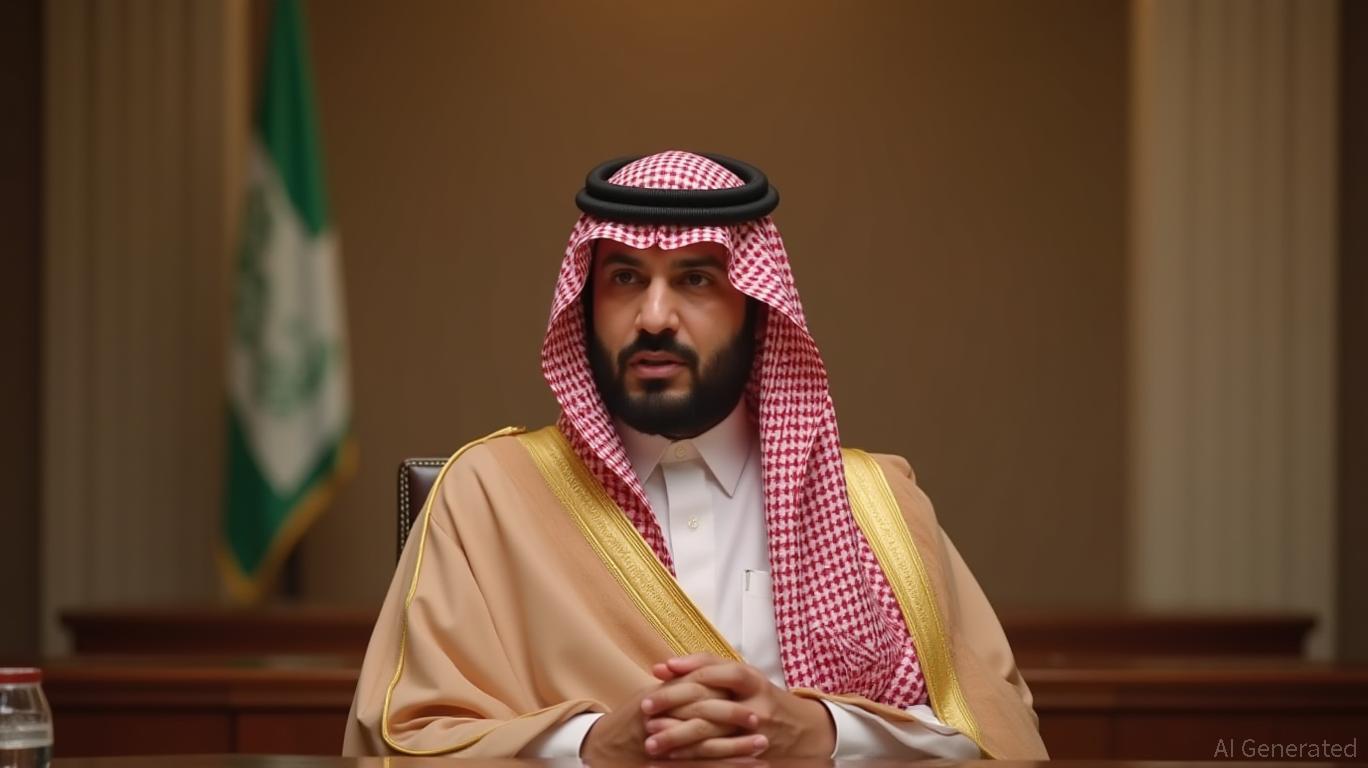
Saudi Arabia: We reject anything that would undermine the sovereignty of states, their borders, or their territorial integrity.
TL;DR
Saudi Arabia reaffirms its commitment to state sovereignty and territorial integrity, condemning foreign interference in conflicts like Sudan and Syria while balancing strategic partnerships with major powers like the U.S. and regional allies.
Saudi Arabia: We reject anything that would undermine the sovereignty of states, their borders, or their territorial integrity.
Saudi Arabia Emphasizes Sovereignty and Territorial Integrity in Geopolitical Stance
Saudi Arabia has consistently reaffirmed its commitment to upholding the sovereignty, borders, and territorial integrity of nations, both regionally and globally. Recent statements and actions underscore this position, reflecting broader geopolitical strategies amid shifting international dynamics.
In Sudan, the Saudi Ministry of Foreign Affairs condemned "foreign interference" and "criminal attacks" by the Rapid Support Forces (RSF), emphasizing that such actions violate humanitarian norms. The kingdom criticized the influx of "illegal weapons, mercenaries, and foreign fighters" as exacerbating the conflict, which has displaced millions and deepened humanitarian crises. Similarly, Saudi Arabia has denounced Israeli aggression against Syria, calling for an immediate withdrawal from occupied territories and condemning violations of international law.
Regionally, Saudi Arabia has aligned with Türkiye to support Syria's sovereignty, praising Damascus's efforts to restore security and unity. On the African continent, the kingdom reiterated its full support for Somalia's sovereignty, a stance consistent with its broader regional diplomacy. These positions align with Saudi Arabia's efforts to position itself as a mediator and stabilizing force in volatile regions.
However, Saudi Arabia's geopolitical strategy also involves balancing relationships with major powers. In 2025, the kingdom pledged significant investments in the U.S. economy, a move analysts suggest reflects efforts to navigate the Trump administration's assertive policies. This duality—advocating sovereignty while engaging with U.S. economic and security frameworks—highlights the complexities of Saudi Arabia's role in a multipolar world.
The kingdom's emphasis on sovereignty intersects with its vision for regional multilateralism. By fostering alliances with Turkey, Pakistan, and others, Saudi Arabia seeks to reduce reliance on U.S. dominance while advancing its economic and security interests. Yet, challenges persist, particularly in addressing regional conflicts like the Palestinian cause, where inaction is seen as a barrier to reshaping the global order.
For investors, Saudi Arabia's focus on sovereignty and strategic partnerships signals a long-term commitment to stabilizing key markets and diversifying its influence. However, the success of these efforts will depend on navigating competing geopolitical currents and aligning regional priorities with global economic realities.