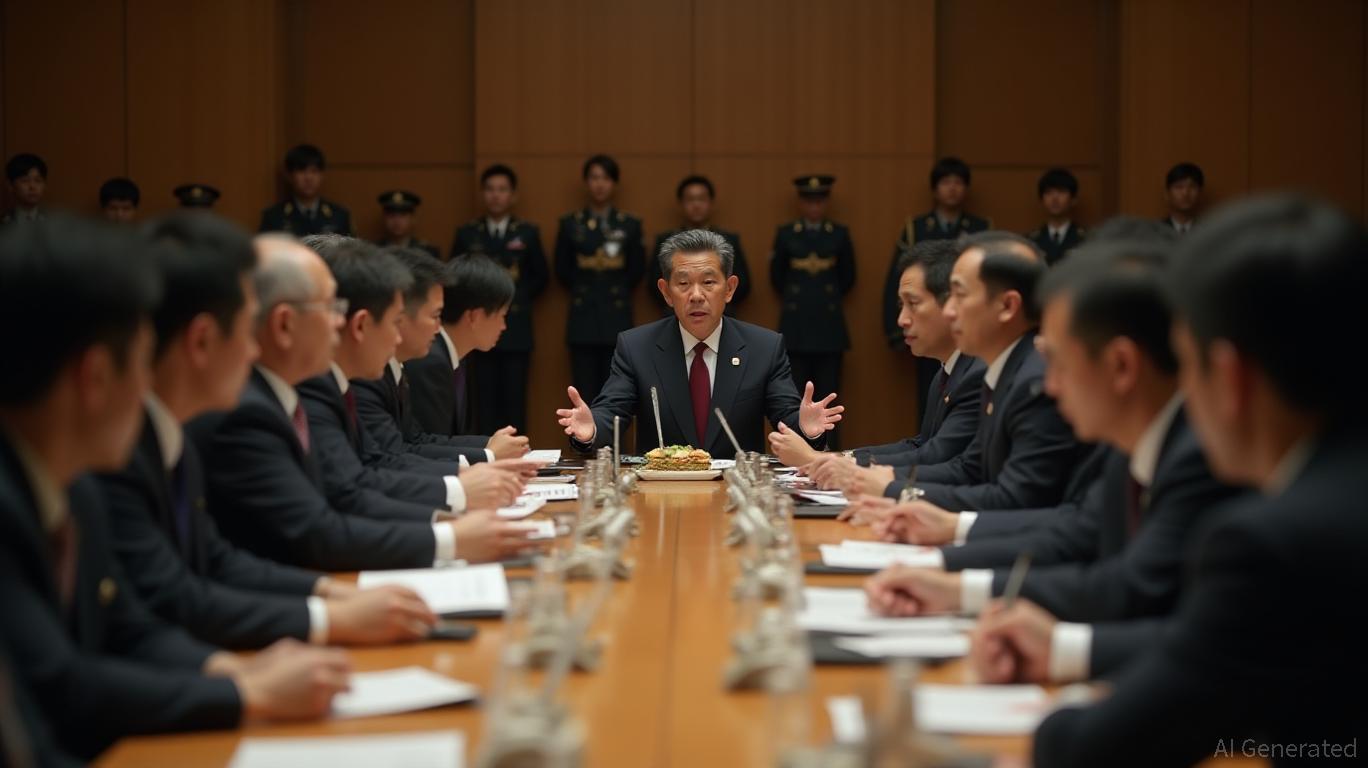
Japan debates whether post-WWII military limits still fit a more dangerous world
TL;DR
Japan is reevaluating its post-WWII pacifist military limits amid rising regional threats, leading to increased defense spending and security reforms. This shift aims to balance constitutional constraints with a more assertive posture, impacting regional dynamics and investment opportunities.
Japan’s post-World War II security framework, rooted in constitutional pacifism, faces mounting scrutiny as regional tensions escalate. Since 2015, Tokyo has incrementally expanded its military capabilities, including legalizing limited collective self-defense operations under revised security laws. These reforms, framed as a response to China’s military modernization, North Korea’s nuclear advancements, and shifting U.S. strategic priorities, reflect a recalibration rather than a radical departure from Japan’s historical reliance on the U.S.-Japan alliance.
Recent developments underscore this evolution. Defense spending, historically constrained at 1% of GDP, has steadily increased, with plans to further elevate it to counter emerging threats. The 2025 revision of Japan’s National Security Strategy emphasizes "proactive defense", including enhanced missile defense systems, cyber capabilities, and closer integration with U.S. extended deterrence. Meanwhile, the Liberal Democratic Party (LDP) seeks a stronger legislative mandate in the February 2026 election to accelerate reforms, including potential revisions to the three Non-Nuclear Principles and relaxed export controls for defense equipment.
Domestically, debates persist over balancing security needs with constitutional constraints and public sentiment. While opposition parties and civil society remain wary of militarization, the ruling coalition argues that Japan’s security environment demands a more assertive posture. Internationally, these shifts risk reshaping regional dynamics, with China and Russia viewing Japan’s growing capabilities through a strategic lens.
For investors, Japan’s security trajectory signals expanding opportunities in defense technology and industrial sectors, while also highlighting geopolitical risks that could impact trade and regional stability. The challenge lies in navigating a delicate equilibrium between enhanced defense readiness and maintaining Japan’s postwar identity as a pacifist power.