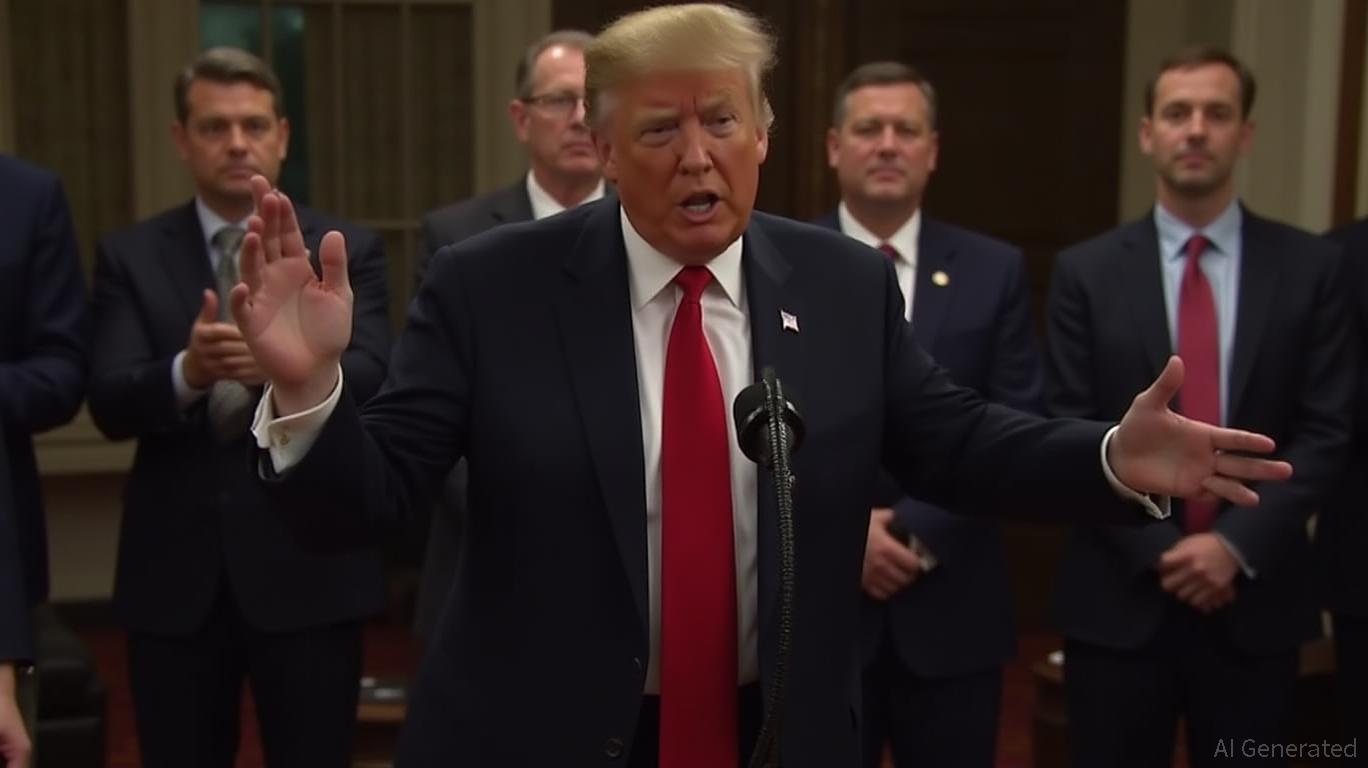
Fox: Trump says nobody can believe the success we're having
TL;DR
Trump highlights economic successes like stock market highs and lower inflation, but critics raise concerns over deficits, tariffs, and governance norms, leading to mixed public approval.
Fox: Trump says nobody can believe the success we're having
Trump’s Economic Agenda: A Mixed Picture of Gains and Controversies
President Donald Trump has emphasized a "winning streak" in his second term, citing economic policies and market performance as evidence of success. The administration highlights record stock market highs, a drop in inflation to 2.7% by December 2025, and reduced gas prices (down to $2.67 in January 2026 from $3.08 in January 2025) as key achievements. These metrics align with Trump's campaign promises to curb Biden-era inflation and "unleash" U.S. energy production.
However, public and expert reactions remain divided. While the administration touts tax cuts and trade agreements—such as a July 2025 pact with South Korea lowering tariffs in exchange for $350 billion in investment commitments—critics question the long-term fiscal impact. The Congressional Budget Office (CBO) estimated a Senate budget bill would add $3.3 trillion to the deficit over a decade, prompting Republican dissent. Additionally, Trump's aggressive tariff policies, including sweeping measures under the International Emergency Economic Powers Act, face legal challenges in the Supreme Court, with 72% of voters expressing concerns about potential trade war escalations.
Approval ratings reflect this duality. A Fox News poll found 55% approval for border security measures but only 38% approval for economic management, with inflation and tariffs drawing the most criticism (33% approval each). While Trump's team attributes economic gains to deregulation and energy expansion, analysts note structural risks, including potential supply chain disruptions from tariffs and the CBO's deficit warnings.
The administration's assertive use of executive power—exemplified by Supreme Court rulings expanding executive authority—has further polarized stakeholders. Federal judges have challenged aspects of Trump's immigration and workforce policies, with 58% of voters supporting judicial oversight as a constitutional check.
In summary, Trump's economic agenda has generated measurable market and policy shifts, yet debates persist over sustainability, fiscal prudence, and governance norms. Investors and analysts will likely continue monitoring inflation trends, trade litigation outcomes, and the fiscal implications of proposed reforms.