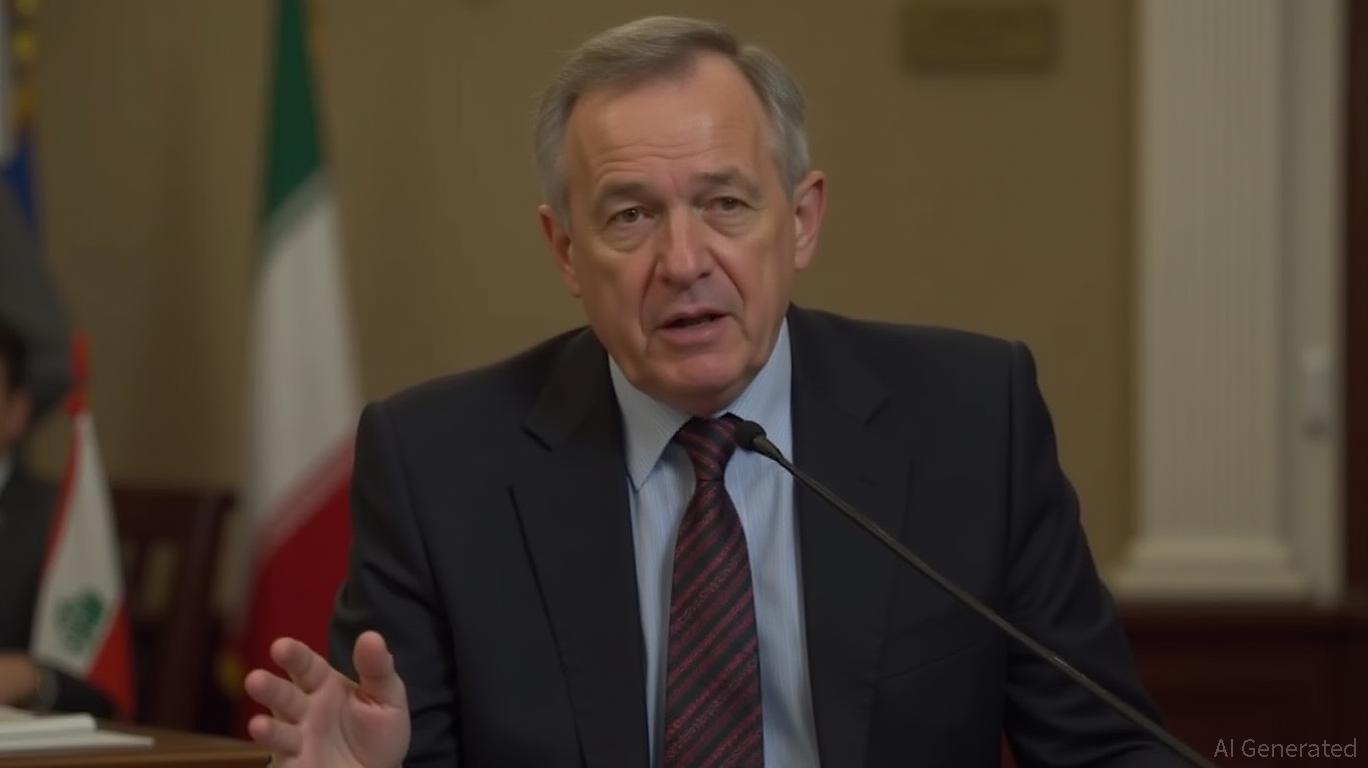
Vitkov: We offered a deal that includes supplying Iran with nuclear fuel from abroad in exchange for stopping enrichment, but it rejected it entirely
TL;DR
U.S.-Iran nuclear talks stalled after Iran rejected a U.S. offer to supply nuclear fuel in exchange for halting uranium enrichment, citing sovereignty and legal rights under the NPT. The impasse has heightened regional tensions, with military buildups and economic sanctions complicating resolution prospects.
Tags
Vitkov: We offered a deal that includes supplying Iran with nuclear fuel from abroad in exchange for stopping enrichment, but it rejected it entirely
U.S. and Iran Nuclear Negotiations Stall as Tehran Rejects Fuel Supply Offer
Recent indirect negotiations between the United States and Iran have stalled after Tehran rejected a U.S. proposal to supply nuclear fuel from abroad in exchange for halting its uranium enrichment program. U.S. officials described the offer as a key component of efforts to prevent Iran from advancing toward nuclear weapon capabilities, but Iranian Foreign Minister Abbas Araghchi emphasized that enrichment remains a non-negotiable issue tied to national sovereignty.
The U.S. proposal, outlined during talks mediated by Oman, included a long-term agreement to provide Iran with nuclear fuel free of charge, contingent on Tehran abandoning its enrichment activities. This approach aimed to address Washington's concerns about Iran's potential access to weapons-grade material while supporting Iran's civilian nuclear energy goals. However, Iranian negotiators dismissed the offer, insisting that uranium enrichment is a legal right under the Nuclear Non-Proliferation Treaty (NPT) and a symbol of technological independence.
Iran's refusal to compromise reflects broader tensions in the negotiations. While the U.S. seeks to address both Iran's nuclear program and its regional activities—including ballistic missile development and support for proxies—Tehran has insisted on separating these issues. U.S. envoy Steve Witkoff reportedly prioritized isolating the nuclear file, aligning with President Trump's focus on preventing Iran from obtaining a nuclear weapon.
The breakdown in talks has heightened regional tensions. A significant U.S. military buildup in the Middle East, including the deployment of the USS Gerald R. Ford Carrier Strike Group, underscores Washington's readiness for potential escalation. Meanwhile, Iran has continued enriching uranium to 60% purity, a level close to weapons-grade material, and has expanded its advanced centrifuge capabilities.
Economically, the stalemate complicates prospects for sanctions relief, which Iran views as critical to revitalizing its struggling economy. While the U.S. has hinted at potential trade opportunities in oil and gas, Tehran insists on broader concessions beyond nuclear-related sanctions.
With diplomatic channels strained and military posturing escalating, the path to a resolution remains uncertain. Analysts suggest that Iran's strategic leverage—rooted in its nuclear threshold status and regional influence—may delay a compromise, even as both sides face mounting costs from prolonged confrontation.