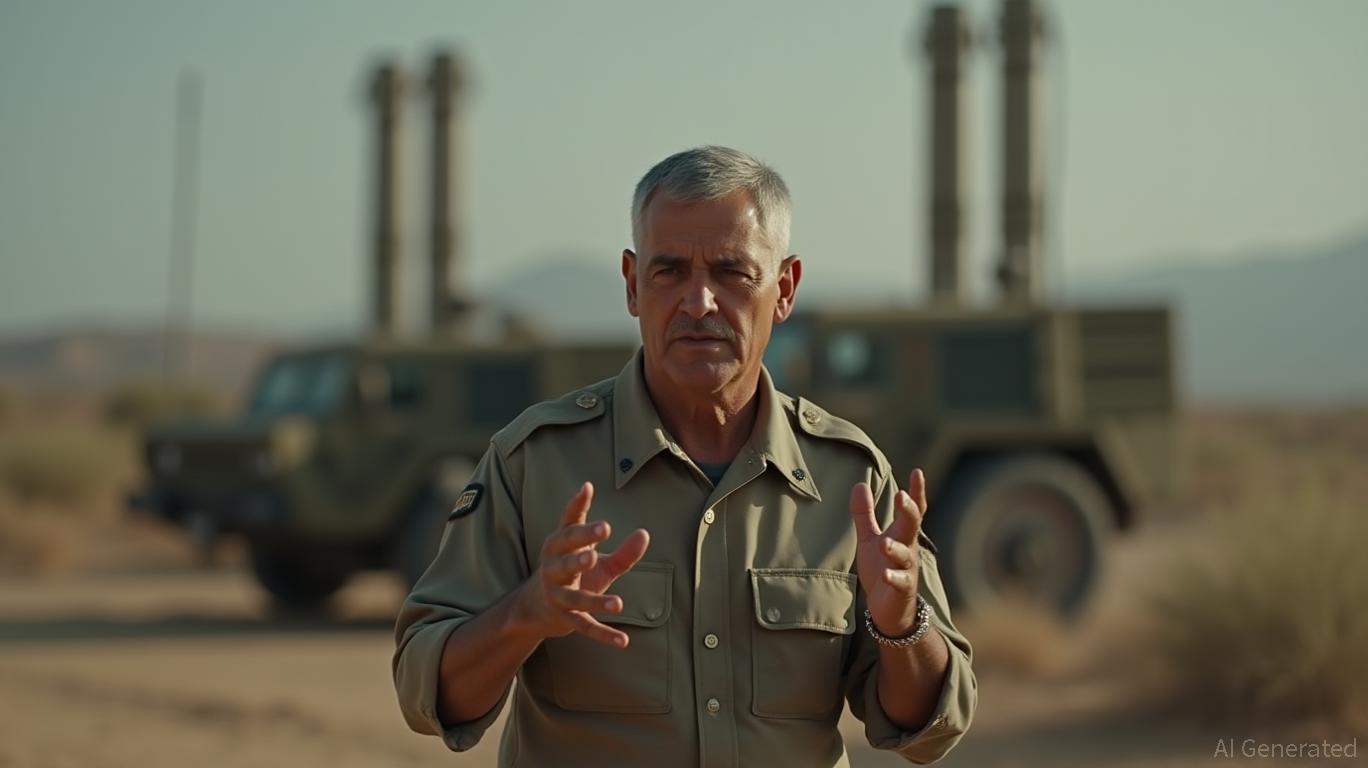
Israeli security official: Iran still has 150 missile launch platforms and we continue to target them
TL;DR
An Israeli official confirms Iran has 150 missile launch platforms left, down from 450, with ongoing Israeli strikes targeting them. The conflict has disrupted global energy markets, spiking oil prices and straining economies.
Tags
An Israeli military spokesperson confirmed on March 13, 2026, that Iran retains approximately 150 operational ballistic missile launch platforms, down from an estimated 450 prior to the February 28 conflict. Israeli forces have destroyed or disabled 300 launchers since the start of Operation Lion's Roar, according to the spokesperson, who emphasized ongoing efforts to target remaining systems. The reduction in Iran's missile infrastructure follows coordinated strikes by Israel and the U.S., which targeted military and strategic sites across Iran and Lebanon.
The conflict has significantly disrupted global energy markets, with Iranian attacks on shipping lanes and oil infrastructure contributing to soaring crude prices. The U.S. estimates Iran has launched over 500 ballistic missiles and 2,000 drones during the conflict, while attacks on commercial vessels in the Strait of Hormuz have heightened supply chain risks. Oil prices have surged amid fears of prolonged disruptions, exacerbating inflationary pressures and straining global economic growth.
Financial markets have reacted to the escalating tensions, with stock indices declining as investors anticipate higher energy costs and potential recessions. The conflict has also strained regional economies, displacing thousands and disrupting trade. While Israel's military cited precision-guided strikes to minimize civilian casualties, the humanitarian and economic toll remains significant.
The spokesperson reiterated that Israel's operations aim to neutralize long-term threats, including Iran's nuclear program and regional proxy networks. However, the financial and geopolitical fallout underscores the fragility of markets amid prolonged conflicts.