Greer: Companies should pass tariff refunds as bonus to workers
TL;DR
Following the Supreme Court's invalidation of Trump's tariffs, companies face a complex refund process for over $166 billion. Economist Greer proposes distributing refunds as worker bonuses to address wage stagnation and boost demand, amid operational challenges and corporate decisions.
Tags
Following the Supreme Court’s invalidation of President Trump’s tariffs under the International Emergency Economic Powers Act (IEEPA), businesses face a complex refund process for over $166 billion in duties. Trade attorney Greg Husisian notes that companies are increasingly receiving buyout offers for their refund rights, with payouts rising from 20 cents on the dollar to 60 cents as liquidity demands grow. Smaller firms, in particular, are under pressure to sell claims due to cash-flow constraints, while larger corporations may wait for full refunds.
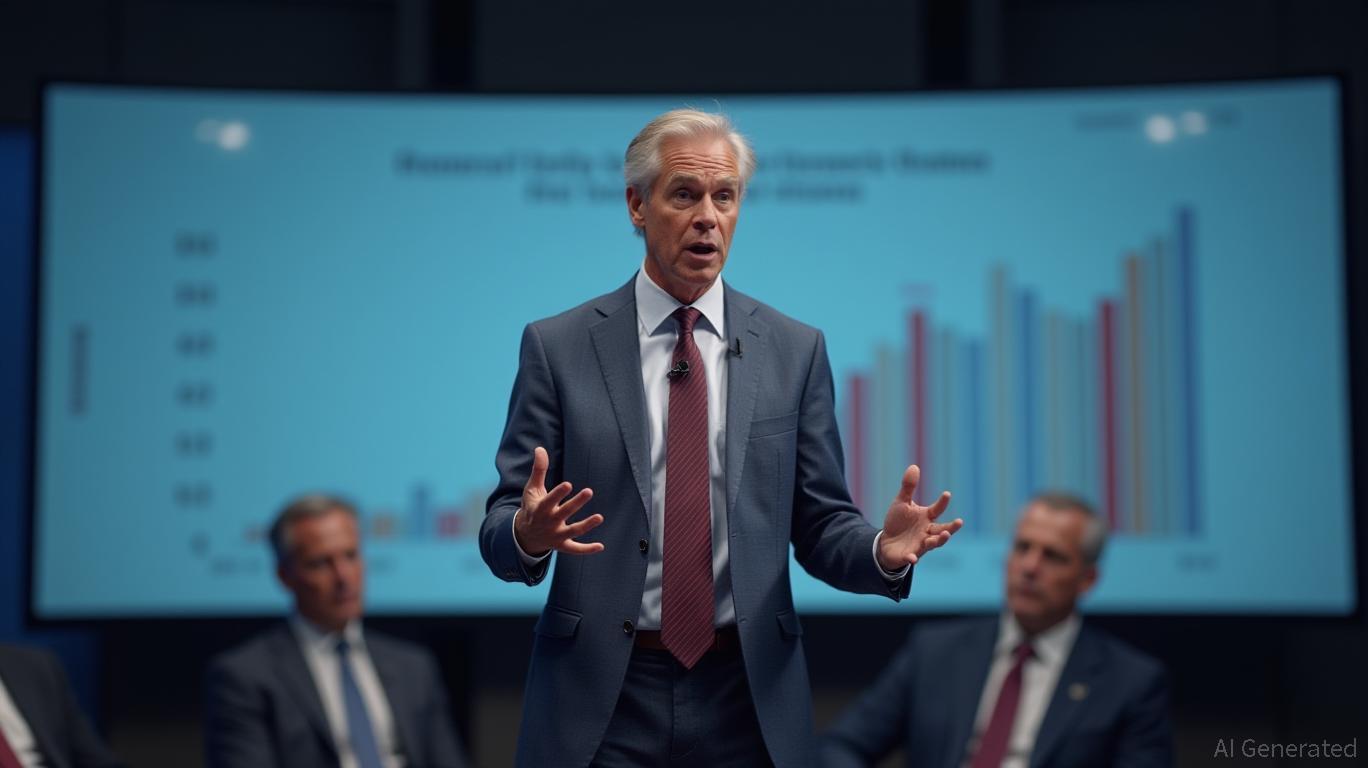
Amid this uncertainty, economist Greer has proposed that companies distribute tariff refunds as bonuses to workers, arguing that such a move could address wage stagnation and boost consumer demand. This aligns with broader concerns about the economic impact of tariffs, which the Yale Budget Lab estimates raised $194.8 billion in inflation-adjusted revenue by January 2026—driving up consumer prices for core goods and durables by 1.5% and 1.6%, respectively.
The U.S. Court of International Trade has mandated refund processing, but U.S. Customs and Border Protection (CBP) cited operational challenges, requiring 4.4 million man-hours to manually process claims. Meanwhile, the Trump administration has shifted to Section 122 tariffs, which remain legally viable for 150 days.
Greer’s proposal highlights tensions between refund distribution and economic equity, though its feasibility depends on corporate willingness to prioritize worker compensation over shareholder returns. With refund timelines unclear, businesses continue weighing immediate liquidity needs against long-term strategic goals.