Israel completes strikes on Hezbollah command centers in Beirut
TL;DR
Israel conducted targeted strikes on Hezbollah command centers in Beirut, causing casualties and expanding military presence into southern Lebanon. Hezbollah retaliated against Israeli infrastructure, escalating regional tensions and economic risks for Lebanon.
Tags
Israel completes strikes on Hezbollah command centers in Beirut
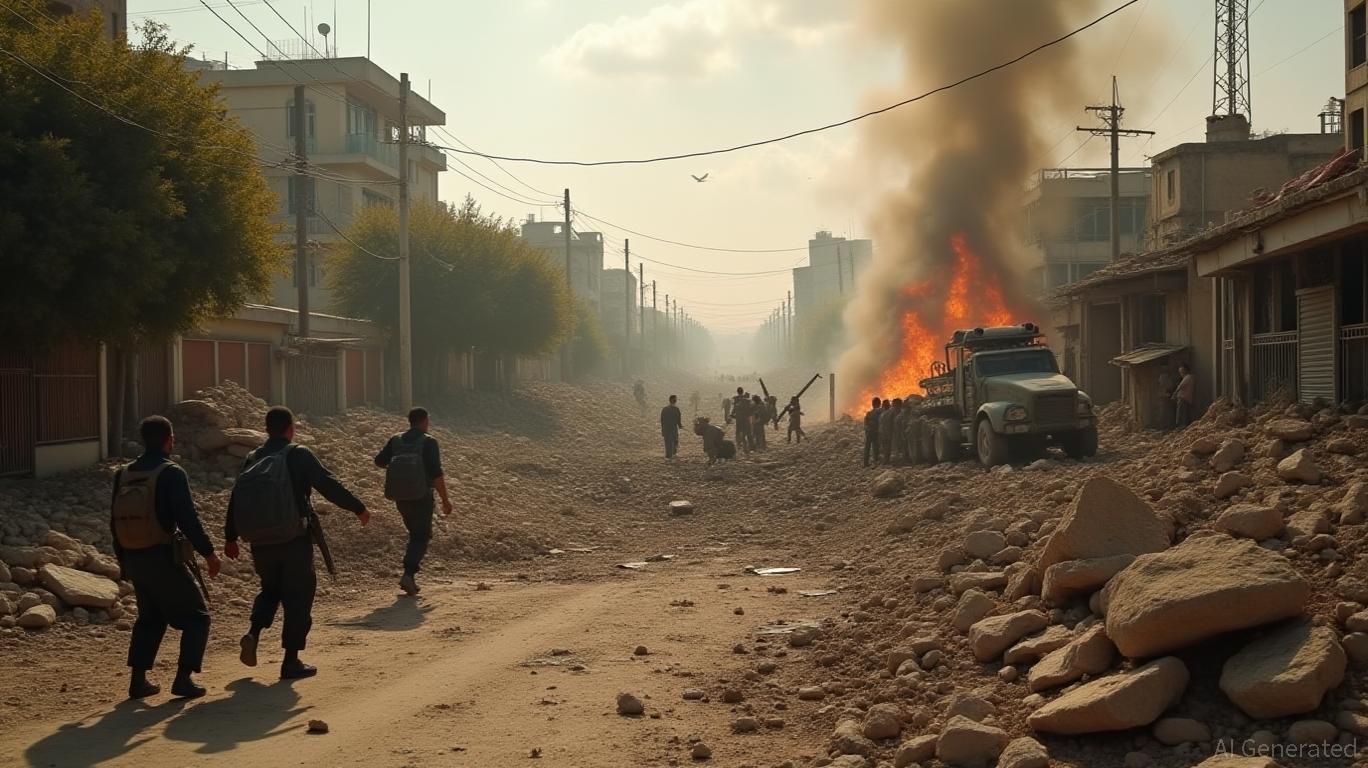
The Israeli Defense Forces (IDF) conducted targeted strikes on Hezbollah command centers, weapons storage facilities, and satellite communication infrastructure in Beirut on March 2–3, 2026, as part of an escalation following rocket and drone attacks by the Iran-backed militant group on northern Israel. The IDF emphasized that the operations aimed to disrupt Hezbollah’s intelligence and propaganda networks, with strikes focusing on sites operating under civilian cover. Lebanese state media reported 31 fatalities and 149 injuries in Beirut from the Israeli bombardment, which followed Hezbollah's retaliation for the killing of Iranian Supreme Leader Ayatollah Ali Khamenei.
The IDF also expanded its military presence into southern Lebanon, deploying troops to secure dominant terrain and establish a buffer zone along the border. This move prompted the Lebanese army to redeploy soldiers from border positions due to heightened risks. Meanwhile, Hezbollah claimed to have targeted Israeli military infrastructure, including air traffic control bases and an airfield, though the IDF reported intercepting some drones and allowing others to land in open areas.
The conflict has intensified regional tensions, with Lebanon's government reiterating its stance that Hezbollah's military activities violate sovereignty and destabilize the country. The Lebanese prime minister condemned the group's actions as a threat to national security, while Hezbollah framed its response as defensive according to reports. The ongoing violence risks further economic strain on Lebanon, already grappling with a severe financial crisis, and may influence regional investment flows amid heightened geopolitical uncertainty.