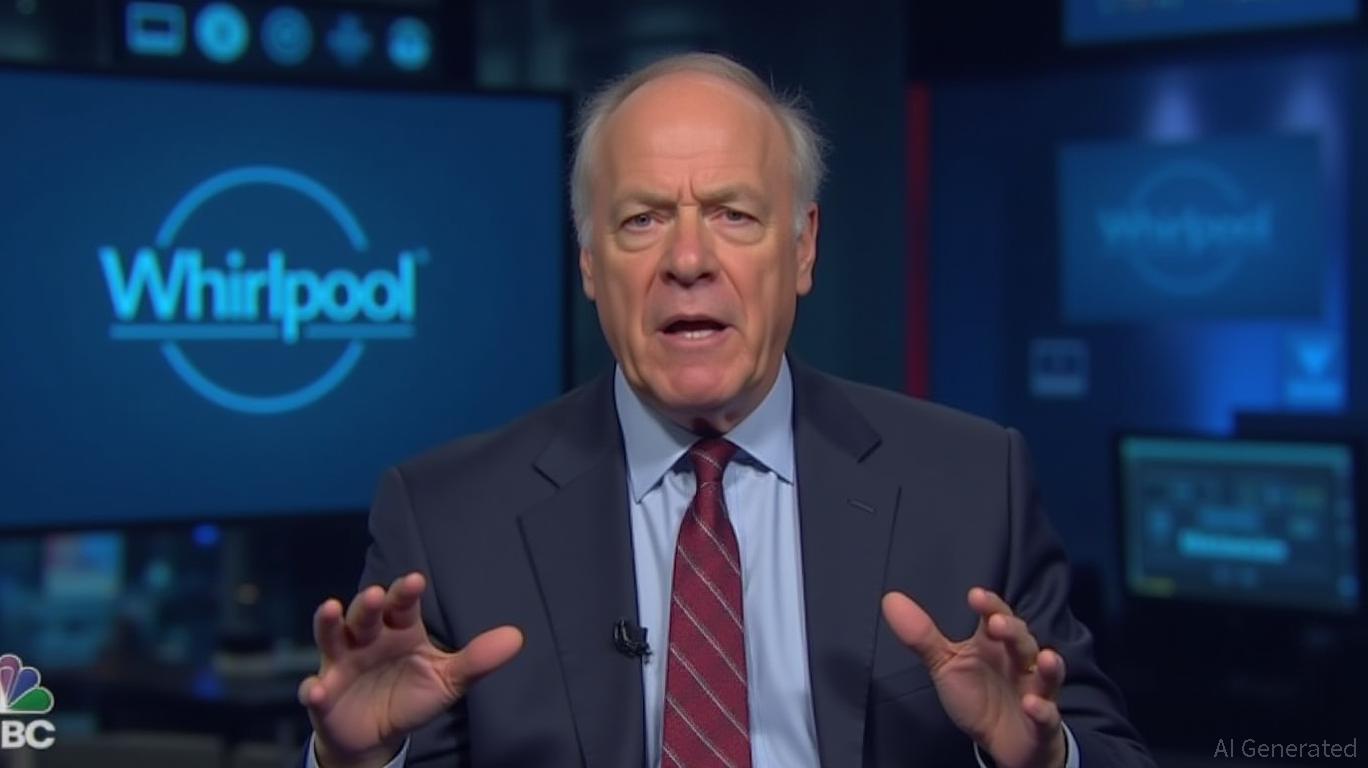
Tepper says Whirlpool mgmt destroyed shareholder value: CNBC
TL;DR
Hedge-fund billionaire David Tepper increased his stake in Whirlpool, betting on its undervalued stock despite a 31% decline and management challenges. The company faces headwinds like a weak housing market and competition, but Tepper's investment reflects a trend of wealthy investors targeting distressed consumer stocks.
Tags
Tepper says Whirlpool mgmt destroyed shareholder value: CNBC
Ultra-Wealthy Investors Double Down on Distressed Consumer Stocks Amid Market Volatility
Hedge-fund billionaire David Tepper’s Appaloosa Management has significantly increased its stake in Whirlpool Corporation, a move that highlights the ultra-wealthy’s appetite for undervalued consumer stocks amid broader market uncertainty. According to third-quarter securities filings, Appaloosa boosted its position in the home appliance maker by 2,000%, making Whirlpool its third-largest holding, valued at $432 million as of September 30. However, the stock has fallen nearly 31% in the second half of 2025, reflecting ongoing challenges for the company.
Whirlpool’s struggles stem from a combination of factors, including a sluggish housing market, elevated mortgage rates, and intense competition. The company has warned of weak consumer discretionary demand and margin pressures due to tariffs and inventory overhangs from foreign competitors. CEO Marc Bitzer acknowledged these headwinds in a recent earnings call, noting that “resilient replacement demand creates a solid foundation for industry volumes, while consumer discretionary demand continues to be negatively impacted by elevated mortgage rates.”
Tepper’s investment aligns with his history of targeting distressed assets, though the move has not yet yielded gains. His disclosed purchase price for Whirlpool shares left him approximately 13% underwater, despite a recent 5% rally in the stock. Analysts speculate that Tepper may be betting on a housing market recovery or potential benefits from U.S. tariff policies, which could favor Whirlpool’s domestic manufacturing footprint.
The company’s financials remain under pressure, with net debt-to-EBITDA at 5.5x and free cash flow guidance revised downward for 2026. Whirlpool has outlined a turnaround strategy focused on product innovation, cost reductions, and leveraging its U.S.-based production facilities. However, skepticism persists about management’s ability to execute these plans amid fierce competition from global rivals like Samsung and LG.
While Tepper’s bet underscores confidence in long-term value, the investment carries risks, including continued margin compression and potential legal challenges to U.S. tariff policies. Other family offices, including Carl Icahn’s and Leon Cooperman’s Omega Advisors, have similarly targeted undervalued consumer and healthcare stocks, signaling a broader trend of high-net-worth investors seeking opportunities in volatile sectors.
As global markets remain anchored by AI-driven optimism, the performance of these distressed bets will likely hinge on macroeconomic shifts and corporate execution in the coming year.