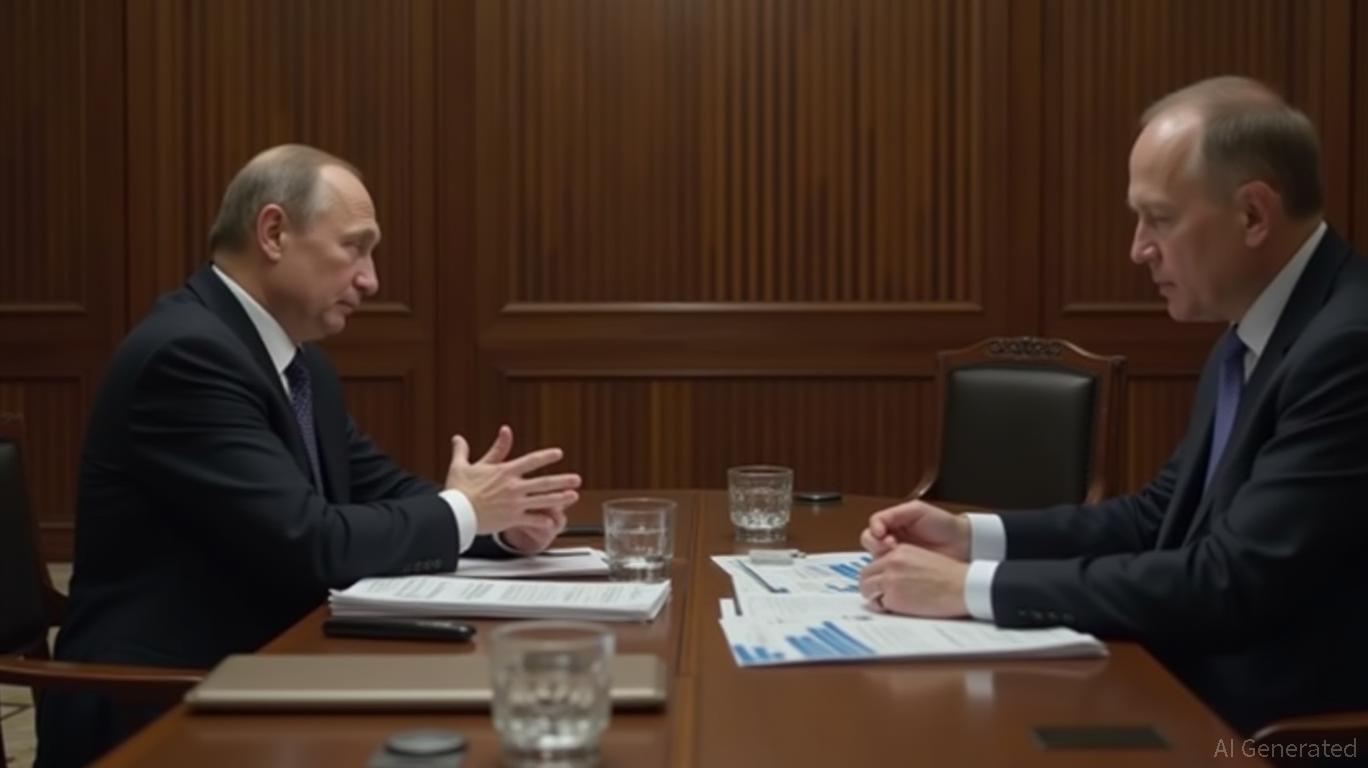
Kremlin: Economic meetings between Putin and PM happen frequently
TL;DR
Russian President Putin and Prime Minister Mishustin hold frequent economic meetings to draft the 2026-2028 budget, focusing on balancing growth, inflation control, and addressing challenges like low labor productivity and external pressures.
Tags
Kremlin: Economic meetings between Putin and PM happen frequently
Kremlin: Economic Meetings Between Putin and PM Highlight Fiscal Priorities and Structural Challenges
Russian President Vladimir Putin has held a series of high-level meetings with Prime Minister Mikhail Mishustin and economic officials to discuss the drafting of the 2026–2028 federal budget and broader fiscal strategies. These sessions, attended by key figures including Finance Minister Anton Siluanov, Central Bank Governor Elvira Nabiullina, and Deputy Prime Ministers, underscore the Kremlin's focus on balancing growth, inflation control, and long-term development goals.
A central theme of the discussions has been stabilizing public finances while addressing slowing economic momentum. According to government data, Russia's GDP grew by 0.4% annually in July 2025, with year-to-date expansion at 1.1%. However, inflation remains a concern, easing to 8.8% year-on-year in July but still above the Central Bank's target range. Officials emphasized the need to maintain macroeconomic stability while avoiding excessive economic cooling, with Siluanov noting progress in curbing inflationary pressures.
Non-oil and gas revenues have shown resilience, rising 14% year-on-year in January–July 2025 to 14.8 trillion rubles, driven by growth in turnover taxes and VAT collections. This has provided some flexibility for funding national projects, including infrastructure, social programs, and defense modernization. Yet challenges persist, particularly in labor productivity, which grew at an average annual rate of 0.7% from 2021–2024, with sectors like trade and transportation lagging.
The Kremlin has outlined five systemic tasks for 2026, including boosting labor productivity, formalizing the economy to reduce tax evasion, and restructuring foreign trade to prioritize high-tech exports. These measures aim to strengthen fiscal sustainability amid external pressures, including sanctions and declining energy export revenues.
While the government remains confident in its ability to manage risks, analysts note that prolonged war expenditures and global economic shifts could strain resources. Putin's meetings reflect a coordinated effort to align fiscal and monetary policies, ensuring alignment with both immediate priorities and long-term strategic goals.
(http://en.kremlin.ru/events/president/news/77997: Kremlin transcripts (September 15, 2025; August 12, 2025)
(http://en.kremlin.ru/events/president/news/77763: Ministry of Finance data cited in August 12, 2025, meeting
(http://en.kremlin.ru/events/president/news/78672: Council for Strategic Development and National Projects meeting (December 8, 2025)
(https://www.atlanticcouncil.org/blogs/ukrainealert/the-putin-regime-faces-mounting-pressure-but-is-still-far-from-collapse/: Atlantic Council analysis (February 2026))