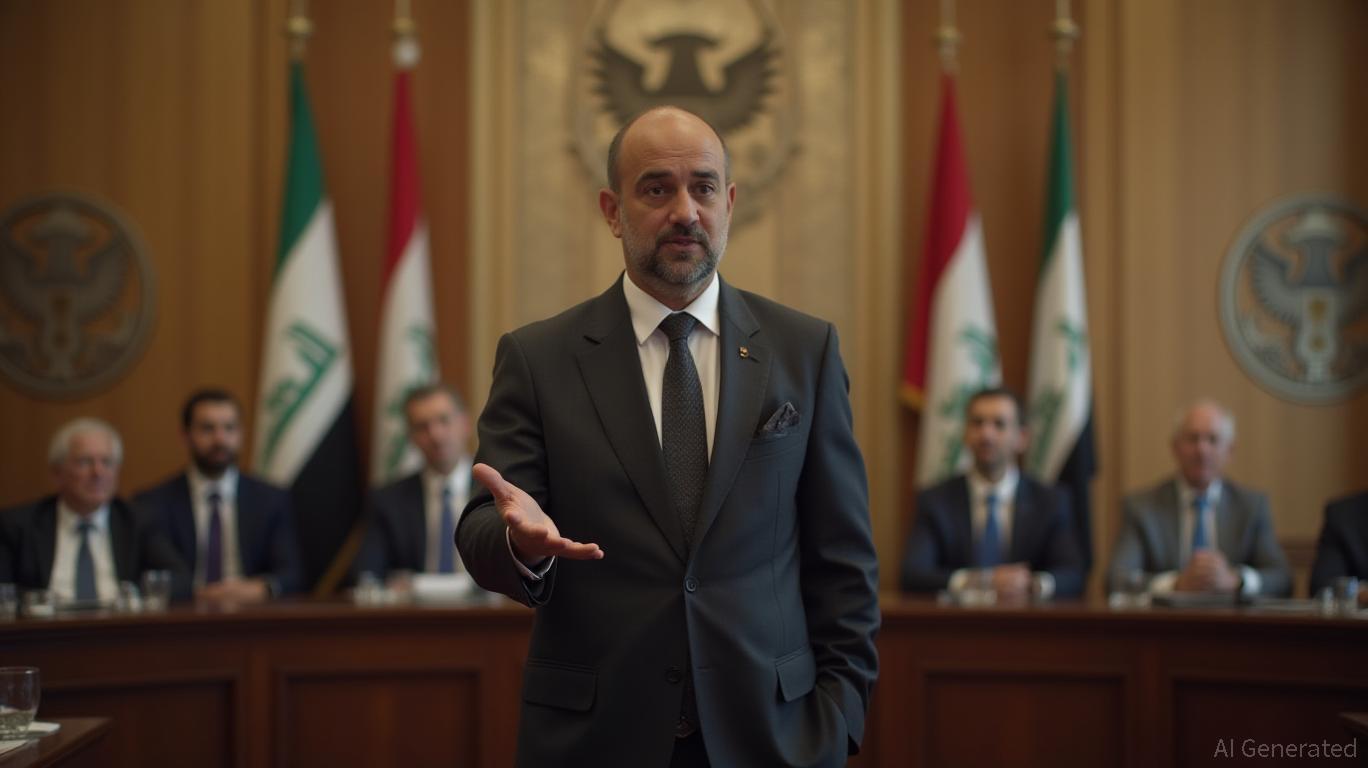
Iraqi government spokesman: The government's approach continues in combating corruption, as it is one of the most important pillars of state sovereign...
The Iraqi government has reaffirmed its commitment to combating corruption as a central component of state sovereignty, according to a recent statement by government spokesman Haider al-Aboudi. This declaration follows a series of high-profile arrests and investigations targeting senior officials, including detention of Oil Ministry Undersecretary Adnan al-Jumaili and several other high-ranking figures on suspicion of embezzlement and misuse of public funds. The government has also established the Supreme Sovereign Council for Integrity, Oversight, and Recovery of Public Funds, led by Prime Minister Ali al-Zaidi, to monitor public sector operations and recover lost assets.
The government’s efforts have been accompanied by the seizure of significant assets, including $86 million in cash, 70 properties, and 21 vehicles linked to the alleged corruption of al-Jumaili. These actions have drawn public attention to the long-standing issue of corruption in Iraq, which has reportedly cost the country $350 billion in public funds since 2003. Despite these measures, civil society reports highlight persistent challenges in enforcement, transparency, and institutional independence, particularly within the Federal Commission of Integrity.
While the government has introduced new legal frameworks and oversight mechanisms, critics argue that systemic political interference continues and outdated legal codes continue to hinder progress. For instance, corruption-related offenses carry low penalties, and enforcement remains inconsistent. Additionally, the lack of a centralized beneficial ownership registry and weak cross-border cooperation mechanisms limit asset recovery effectiveness.
The international community has also expressed interest in supporting anti-corruption initiatives in Iraq. The proposed International Anti-Corruption Court (IACC) has gained backing from several countries and aims to hold kleptocrats accountable when national institutions fail. Meanwhile, Iraq’s compliance with international anti-corruption standards, such as the UN Convention against Corruption (UNCAC), remains under scrutiny, with civil society reports pointing to gaps in asset recovery and public procurement transparency.
As the government continues its campaign, the effectiveness of these measures will depend on sustained political will, institutional independence, and public participation in oversight processes.