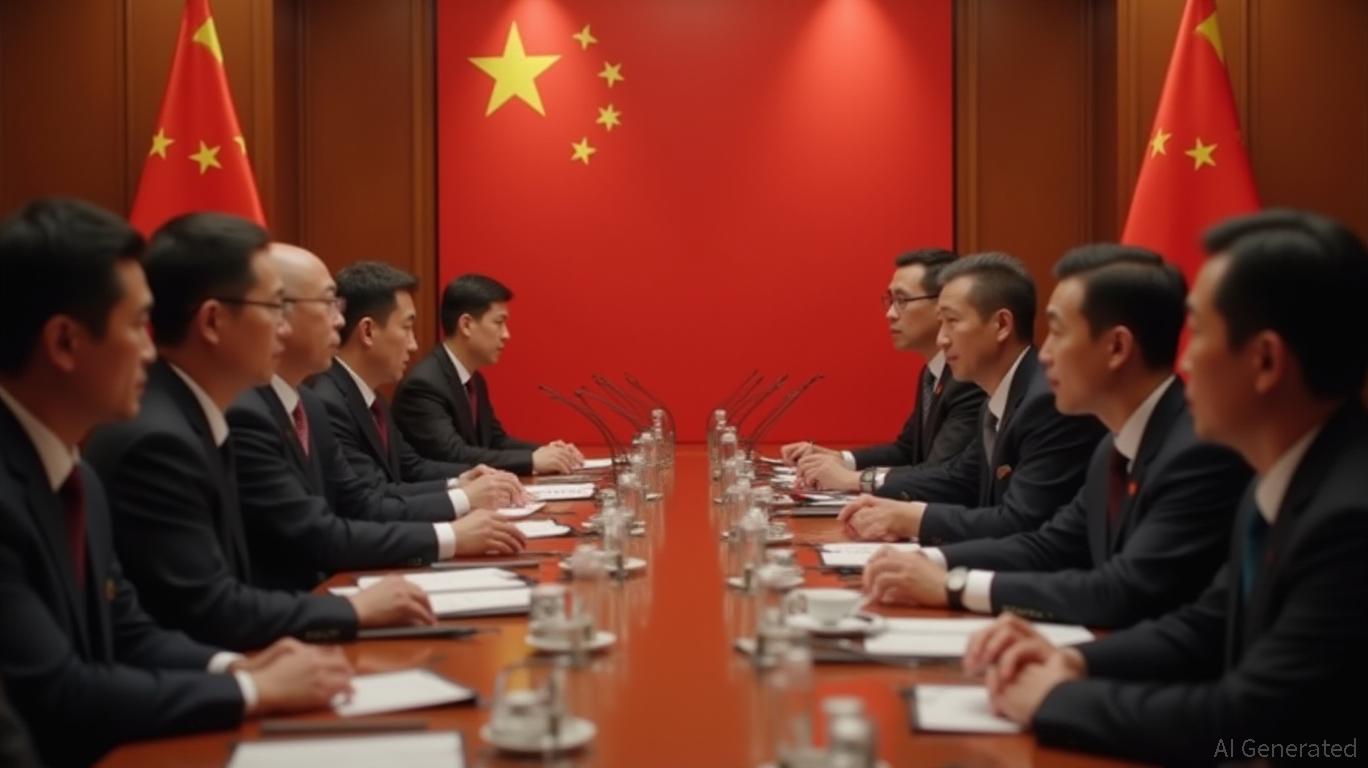
China: Parties to fighting should return to diplomacy
TL;DR
China urges diplomatic resolution to the Middle East conflict, emphasizing dialogue over military escalation. It has evacuated citizens and faces economic risks while advocating for peace through cautious mediation efforts.
Key Takeaways
- •China intensifies diplomatic efforts, calling for ceasefire and dialogue to de-escalate Middle East tensions.
- •The conflict disrupts regional markets and supply chains, with China evacuating citizens and facing logistical costs.
- •Economic risks mount as prolonged conflict threatens global energy markets and maritime trade in the Gulf.
- •China employs 'quasi-mediation diplomacy,' prioritizing rhetorical support for peace without costly commitments.
- •Lack of unified international response complicates diplomatic efforts, with Western nations aligned for defensive action.
Tags
China: Parties to fighting should return to diplomacy
China Urges Diplomatic Resolution Amid Escalating Middle East Conflict
As the U.S.-Israeli military operation against Iran enters its third day, China has intensified diplomatic efforts to de-escalate tensions, emphasizing the need for dialogue over further conflict. Chinese Foreign Minister Wang Yi held multiple phone calls with counterparts from Iran, France, and Oman, reiterating support for Iran's sovereignty and urging regional powers to avoid a broader war according to Chinese Foreign Ministry statements. The Chinese Foreign Ministry also called for an immediate ceasefire, warning that military escalation risks destabilizing Gulf economies and trade routes as reported by Global Times.
The conflict has already disrupted regional markets and supply chains. Hong Kong-based Cathay Group suspended Middle East operations, rerouting flights and halting services in Dubai and Riyadh due to heightened tensions according to Reuters. Meanwhile, China evacuated over 3,000 citizens from Iran, incurring significant logistical costs and highlighting vulnerabilities for businesses operating in volatile regions according to China's Foreign Ministry.
Economic risks are mounting as the war persists. The U.S. military reported four troop deaths, while Iran's Red Crescent cited 555 fatalities, raising concerns about prolonged conflict and its impact on global energy markets according to Global Times reporting. Analysts warn that sustained military campaigns could strain defense budgets and divert resources from economic growth initiatives. Additionally, the destruction of infrastructure, such as the Stena Imperative oil tanker, underscores the fragility of maritime trade in the Gulf as reported by Global Times.
China's approach reflects a broader strategy of "quasi-mediation diplomacy," prioritizing rhetorical support for peace while avoiding costly commitments according to ChinaUSFocus analysis. While Beijing has not imposed sanctions or offered material incentives for dialogue, it has leveraged its economic influence to advocate for de-escalation. This cautious stance aligns with China's strategic interests in maintaining regional stability, particularly as it seeks to expand trade ties with Gulf nations through initiatives like the Belt and Road.
However, the lack of a unified international response complicates efforts to halt the conflict. France, Germany, and the UK have aligned with the U.S. by signaling readiness for "defensive action" against Iran according to Chinese Foreign Ministry statements, while China's calls for diplomacy remain uncoordinated with Western strategies.
For investors, the prolonged crisis highlights the risks of geopolitical instability on global markets. Energy prices, regional trade, and corporate operations in the Gulf remain vulnerable to further disruptions. As China continues to advocate for a return to diplomacy, the outcome of these efforts will likely shape the trajectory of Middle East economic and political dynamics in the coming months.