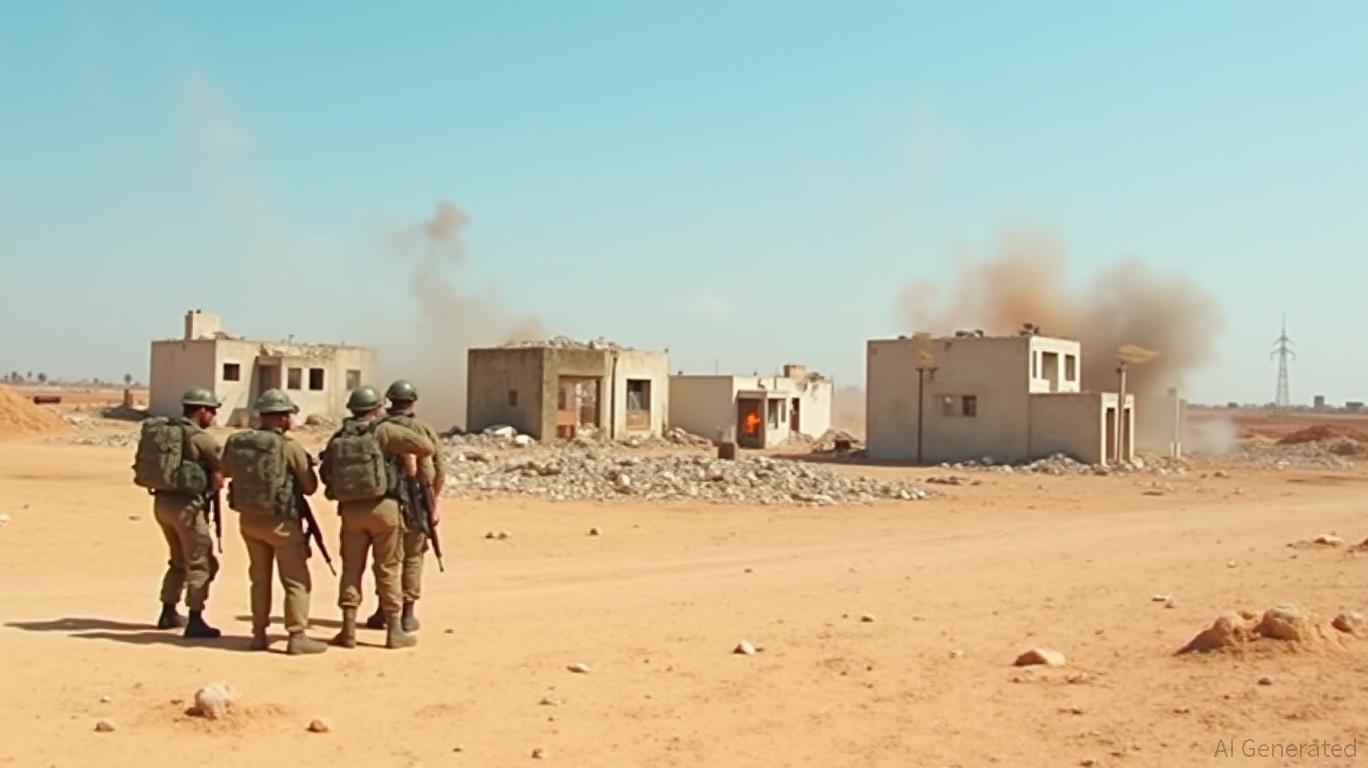
IDF: Also struck missile storage sites
TL;DR
The IDF struck Iranian missile storage and launch sites, damaging underground facilities and reducing missile launches by 86%. These precision strikes, supported by U.S. intelligence and funding, highlight vulnerabilities in Iran's missile infrastructure and impact global energy markets and defense spending.
IDF: Also struck missile storage sites
The Israel Defense Forces (IDF) confirmed strikes on missile storage and launch sites in Tehran as part of its ongoing operations against Iran's ballistic missile infrastructure. The military reported targeting underground facilities used to store missiles and infrastructure supporting long-range missile systems, emphasizing intelligence-driven precision in the strikes. These actions align with broader U.S.-Israeli efforts to degrade Iran's ability to launch large-scale missile attacks, as evidenced by a reported 86% decline in Iranian missile launches over four days following the conflict's escalation.
Satellite imagery analyzed by defense experts indicates significant damage to Iranian missile facilities, including destroyed launchers near underground bases and cratered access roads, suggesting a shift in strategic advantage. Analysts note that Iran's historical reliance on underground "missile cities" may now be a vulnerability, as U.S. and Israeli forces leverage advanced surveillance and precision munitions to disrupt operations.
The financial implications of these strikes extend beyond military outcomes. The U.S. State Department recently approved a $151 million sale of air bombs to Israel, underscoring sustained investment in regional security capabilities. Meanwhile, global energy markets remain volatile amid concerns over Middle East instability, with Brent crude futures trading above $94 per barrel.
For investors, the conflict highlights risks to oil and gas infrastructure, trade routes, and geopolitical stability, which could influence energy prices and supply-chain dynamics. The prolonged nature of the conflict, as indicated by U.S. and Israeli assessments, may also drive further defense spending and economic adjustments in allied and neutral markets.