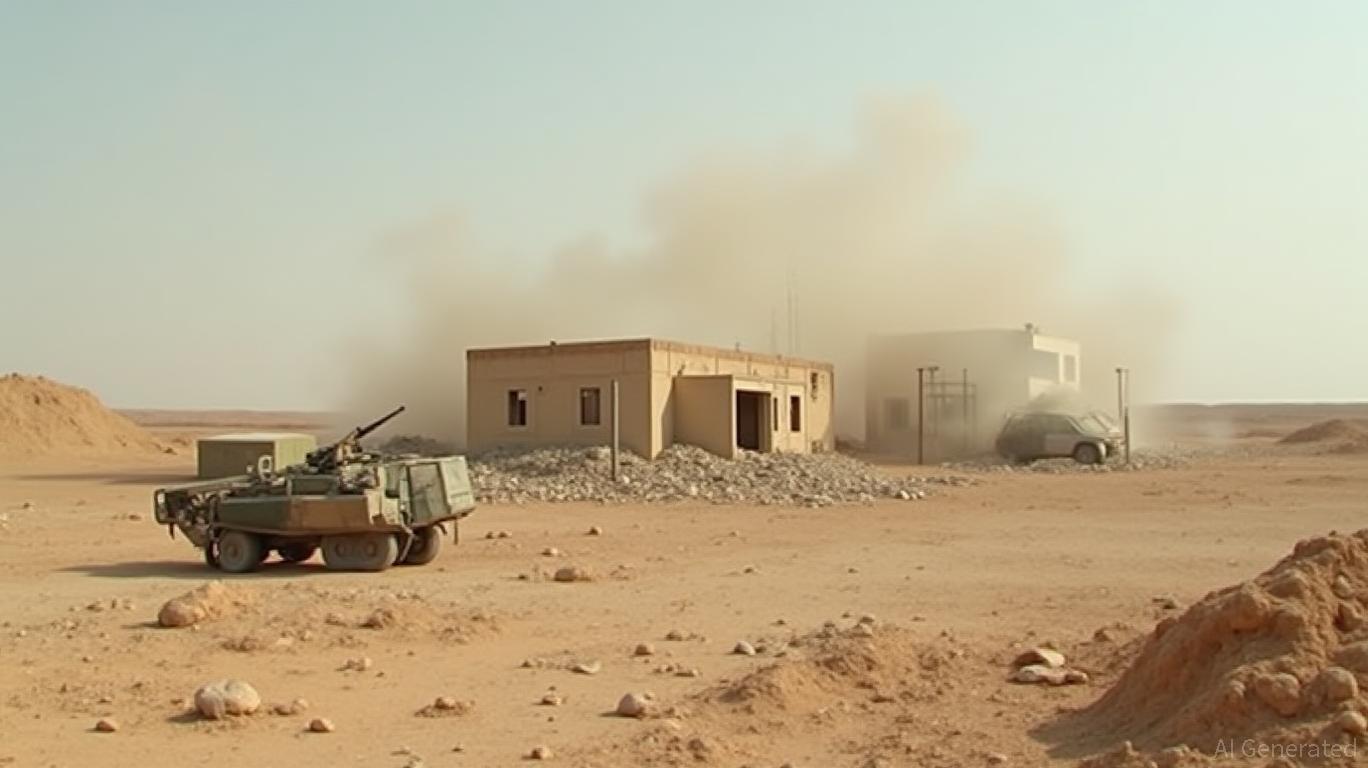
US: Destroyed IRGC command and control facility
TL;DR
The U.S. and Israel destroyed IRGC command facilities, escalating regional tensions and disrupting energy infrastructure, raising global economic and security concerns.
Tags
US: Destroyed IRGC command and control facility
U.S. and Israel Confirm Destruction of Iranian Revolutionary Guard Command Facilities
The U.S. and Israel have confirmed the destruction of key command and control facilities belonging to Iran's Islamic Revolutionary Guard Corps (IRGC), marking a significant escalation in the ongoing regional conflict. According to joint statements, these targets included IRGC headquarters and infrastructure critical to Iran's military coordination. The strikes, part of a broader campaign targeting Iran's military and nuclear capabilities, aim to degrade the IRGC's operational capacity and deter further aggression.
The attacks come amid heightened tensions following Iran's retaliatory strikes across the Gulf, which have disrupted energy infrastructure and raised concerns about global oil supplies. QatarEnergy, for instance, halted liquefied natural gas (LNG) production after Iranian drones targeted its Ras Laffan facility, while Saudi Arabia intercepted drones near its Ras Tanura oil refinery, a critical export hub. According to reports, the Strait of Hormuz, a vital oil chokepoint handling 20% of global oil shipments, has also seen reduced traffic due to safety concerns, exacerbating fears of prolonged energy price volatility.
International reactions have emphasized the economic and geopolitical risks of the conflict. The UK authorized U.S. use of British military bases for "defensive" strikes on Iranian missile sites, while France pledged support for Gulf allies amid warnings of a "spiral of instability". Meanwhile, the UN nuclear watchdog reported no evidence of damage to Iran's nuclear facilities, contradicting Iranian claims of attacks on Natanz.
The financial implications of sustained hostilities remain significant. Disrupted energy exports, rising insurance costs for shipping, and potential sanctions on Iranian oil could further strain global markets. Analysts note that prolonged instability in the Gulf may lead to long-term shifts in trade routes and energy pricing, with emerging economies facing heightened exposure to supply shocks.
As the conflict evolves, investors are closely monitoring developments in oil prices, regional security alliances, and the potential for broader international mediation efforts.