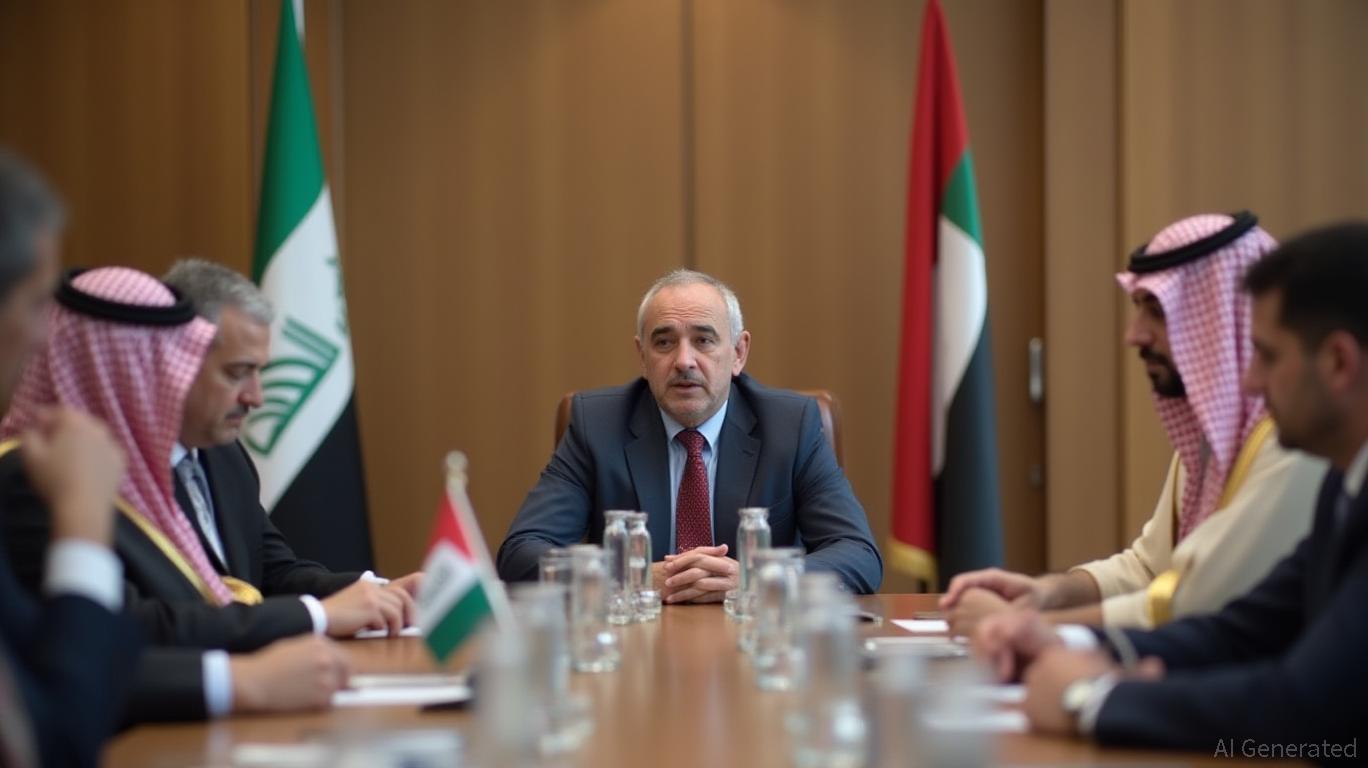
Araghchi spoke to Saudi, UAE, Qatar, Kuwait, Bahrain, Iraq
TL;DR
Iran's Foreign Minister Araghchi held calls with Gulf nations amid tensions after missile strikes, sparking market uncertainty and diplomatic efforts to de-escalate.
Tags
Araghchi spoke to Saudi, UAE, Qatar, Kuwait, Bahrain, Iraq
Iran’s Diplomatic Outreach Amid Gulf Tensions Sparks Market Uncertainty
Iran’s Foreign Minister Abbas Araghchi engaged in a series of high-level calls with counterparts in Saudi Arabia, the United Arab Emirates, Qatar, Kuwait, Bahrain, and Iraq on February 28, 2026, as regional tensions escalated following Iran’s missile strikes across the Persian Gulf. The diplomatic efforts come amid widespread explosions reported in Gulf nations, including the UAE, Qatar, and Saudi Arabia, after Iran’s Revolutionary Guards launched an operation dubbed “True Promise 4”.
The attacks targeted U.S. military assets and allied facilities, including Qatar’s Al Udeid Air Base and Bahrain’s U.S. Navy Fifth Fleet hub. While Qatar’s Interior Ministry confirmed no damage from the strikes, the UAE reported one fatality and condemned the attacks as a “flagrant violation” of sovereignty and international law. These developments have heightened concerns over regional stability, with Gulf states emphasizing their right to respond proportionally under international law.
Araghchi’s outreach aligns with broader diplomatic efforts mediated by Oman, which has facilitated indirect U.S.-Iran nuclear negotiations. Omani Foreign Minister Badr al-Busaidi separately urged Gulf partners to support de-escalation, underscoring the fragility of the situation. However, Iran’s threats to “target all U.S. military bases” in the region, as stated by Iranian Foreign Minister Hossein Amir-Abdollahian, signal continued risks of further escalation.
Financial markets are closely monitoring the crisis, with oil prices surging amid fears of disrupted Gulf shipping lanes and potential sanctions. The Strait of Hormuz, a critical global energy artery, has seen heightened naval activity, including Iranian seizures of foreign tankers. Analysts warn that prolonged instability could exacerbate inflationary pressures and strain global supply chains.
While diplomatic channels remain open, the dual tracks of military posturing and negotiations highlight the precarious balance between conflict and compromise. Investors are advised to monitor developments in regional air defense systems, sanctions enforcement, and the role of proxy groups like Hezbollah and Kata’ib Hezbollah, which have pledged support for Iran. For now, the Gulf’s financial landscape remains volatile, with outcomes hinging on the success of diplomatic efforts to curb further escalation.