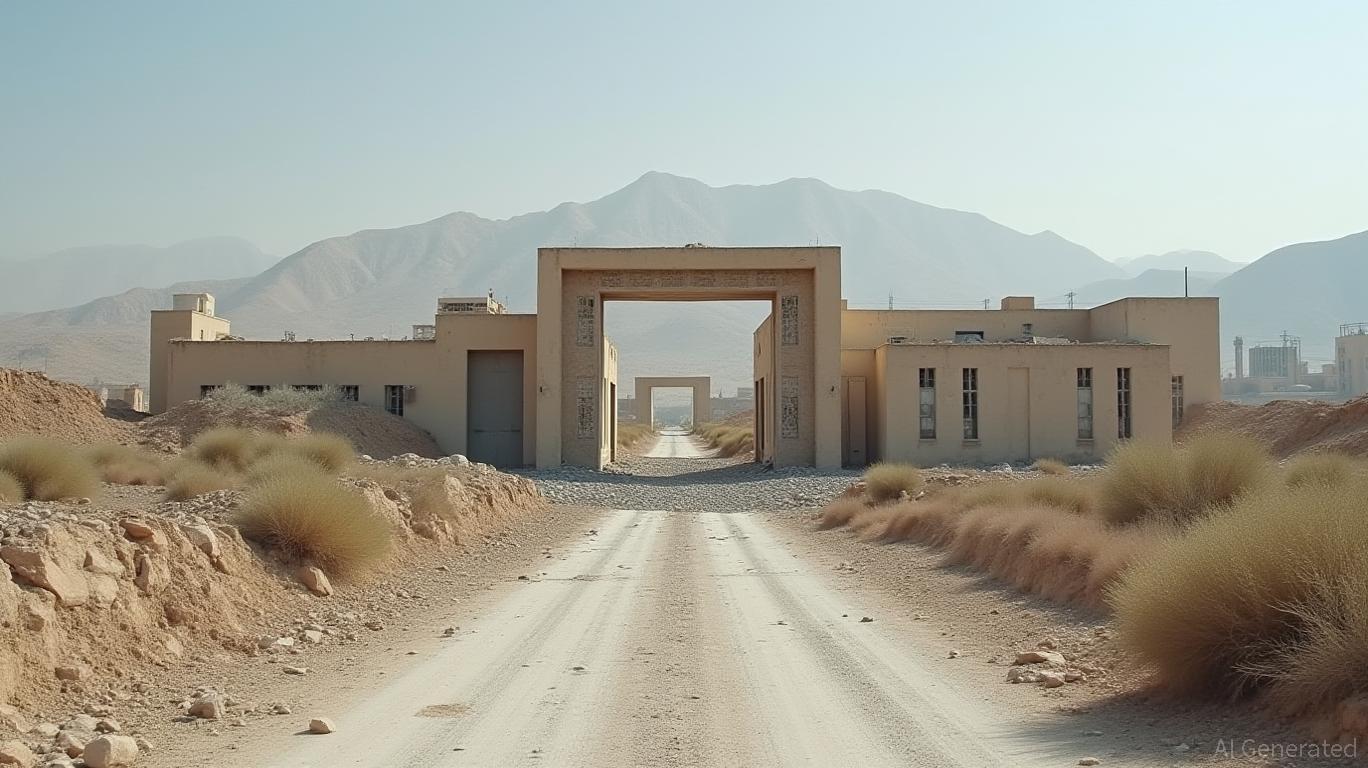
IAEA on X: No additional impact detected at Natanz after previously reported damage at entrances
TL;DR
IAEA confirms recent strikes caused limited damage to Natanz facility entrances, with no additional impact or radiological risks detected. The agency reports no evidence of a coordinated Iranian nuclear weapons program, despite concerns over uranium enrichment levels.
Tags
IAEA on X: No additional impact detected at Natanz after previously reported damage at entrances
IAEA Confirms Limited Damage to Iran’s Natanz Nuclear Facility, No Radiological Impact Detected
The International Atomic Energy Agency (IAEA) confirmed on March 3, 2026, that recent U.S. and Israeli military strikes caused damage to the entrance buildings of Iran’s underground Natanz Fuel Enrichment Plant (FEP) but emphasized no additional impact on the facility itself or radiological risks. The agency based its assessment on satellite imagery, noting that the FEP—already severely damaged in June 2025 attacks— remains non-operational.
IAEA Director General Rafael Grossi stated the agency has not detected evidence of a coordinated Iranian nuclear weapons program, despite allegations from U.S. and Israeli officials. "We have not identified elements of a systematic and structured programme to manufacture nuclear weapons," Grossi said, adding that Iran’s enrichment of uranium to 60% purity—far beyond civilian energy needs— raises concerns. However, he clarified that while this level of enrichment could theoretically produce enough material for over 10 warheads, there is no confirmation Iran has developed nuclear weapons.
Iran’s ambassador to the IAEA, Reza Najafi, disputed the findings, asserting that the strikes targeted "peaceful safeguarded nuclear facilities" and dismissed claims of Iranian nuclear ambitions as "a big lie". The IAEA, meanwhile, reported disrupted communication with Iranian nuclear authorities, potentially linked to internet outages, complicating real-time monitoring.
The Natanz facility, a focal point of international scrutiny, has been repeatedly targeted since 2025. While the latest strikes caused limited structural damage to entrance areas, the IAEA reiterated that no radiation levels exceeding background norms have been detected in neighboring countries [引用越界:7]. Analysts note that Iran’s refusal to grant full access to inspectors and its accumulation of near-weapons-grade uranium remain key concerns for global nuclear non-proliferation efforts.
As tensions escalate, the IAEA continues to monitor the situation, urging transparency and compliance with safeguards agreements to ensure Iran’s nuclear program remains peaceful.