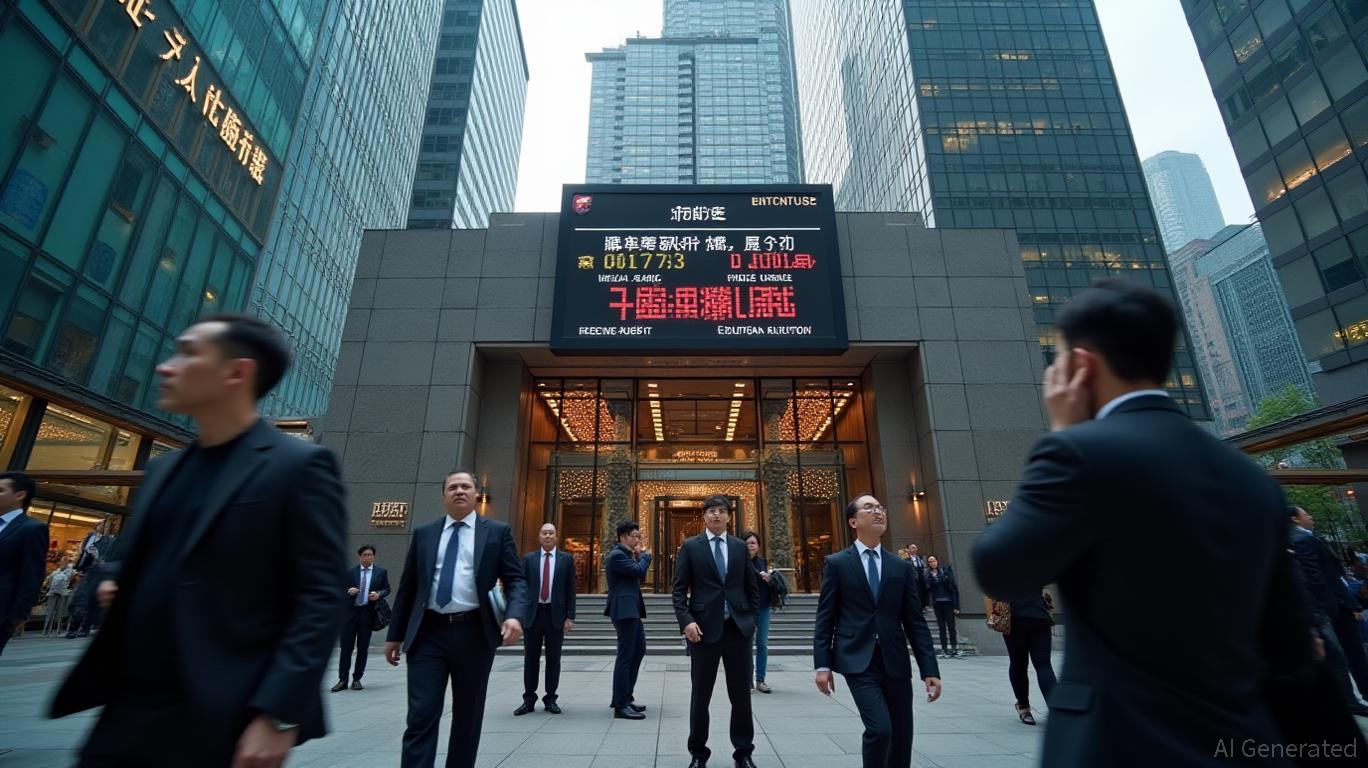
Overseas investors sold net NT$10.6B of Taiwan shares
TL;DR
Overseas investors sold a net NT$10.6 billion of Taiwan shares due to political uncertainties and economic pressures, contributing to market declines. Domestic buying partially offset the outflow, but concerns over governance and global factors persist.
Tags
Overseas investors sold net NT$10.6B of Taiwan shares
Overseas Investors Sell Net NT$10.6B of Taiwan Shares Amid Political and Economic Uncertainties
In the latest market update, overseas investors sold a net NT$10.6 billion ($347 million) worth of Taiwan shares in the most recent trading session, according to financial data trackers. This outflow adds to ongoing concerns about investor sentiment in the region, driven by a combination of macroeconomic pressures and domestic political controversies.
The selling pressure coincides with heightened scrutiny of Taiwan's political landscape. A recent scandal involving military procurement practices, including allegations of improper benefits tied to defense contracts, has sparked public and legislative debates. While the direct link between the controversy and investor behavior remains unclear, analysts note that such events can amplify perceptions of governance risks, potentially deterring foreign capital.
Market participants also cited broader economic factors, including rising global interest rates and slowing technology demand, as contributors to the outflow. Taiwan's export-dependent economy remains vulnerable to shifting global dynamics, particularly in semiconductor and electronics sectors. "Investors are recalibrating positions amid mixed signals from both local and global markets," said one Taipei-based strategist.
The Taiwan Stock Exchange (TWSE) closed slightly lower for the third consecutive session, with the weighted index declining 0.4% to 16,823.36 points. Domestic investors offset part of the foreign outflow, purchasing NT$6.3 billion in shares, but net outflows have persisted for the past two weeks.
While short-term volatility is expected to continue, long-term fundamentals—such as Taiwan's role in global supply chains—remain largely intact. However, policymakers face mounting pressure to address governance concerns and stabilize investor confidence. Further developments in the military procurement investigation could influence market sentiment in the coming weeks.
Political controversies, including recent allegations tied to defense contracts, have drawn public attention and legislative inquiries.