Maine Reaches $1.9M Settlement With Bitcoin ATM Operator Over Scam Losses
TL;DR
Maine regulators reached a $1.9 million settlement with Bitcoin Depot over scam losses at its crypto kiosks, requiring consumer compensation and granting the company a money transmitter license. The case highlights growing regulatory scrutiny of crypto ATMs amid rising fraud reports.
Key Takeaways
- •Maine secured a $1.9 million settlement with Bitcoin Depot to compensate residents defrauded through its cryptocurrency kiosks.
- •The company received a money transmitter license in Maine as part of the agreement, despite not currently listing the state as an active location.
- •Crypto ATM scams reported $246 million in losses in 2024, a 99% increase from the previous year, with 43% of victims over age 60.
- •Regulatory actions are increasing nationwide, with lawsuits in Iowa and Washington, D.C., and federal legislation proposed to cap transactions and mandate refunds.
- •Maine implemented emergency legislation regulating virtual currency kiosks, including transaction limits, fee caps, and consumer recourse provisions.
Tags
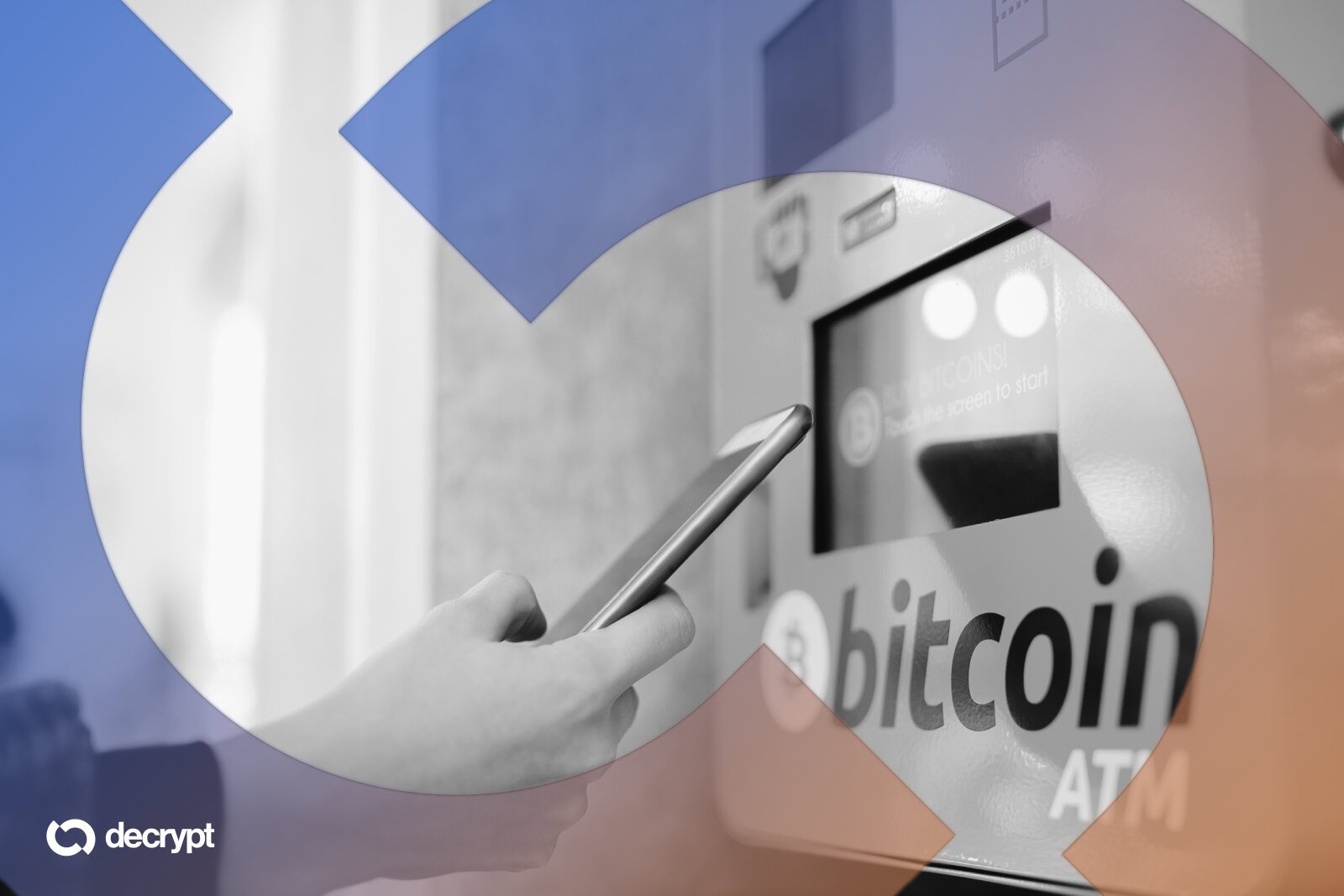
Maine regulators have reached a $1.9 million settlement with Bitcoin Depot, resolving a two-year investigation into scam losses tied to the company’s cryptocurrency kiosks and returning funds to consumers who were defrauded by third-party scammers.
The consent agreement, announced Monday by the Maine Bureau of Consumer Credit Protection, requires Bitcoin Depot to compensate Maine residents for fraudulent transactions conducted through its machines. As part of the deal, the company was also granted a money transmitter license, allowing it to operate legally in the state, although Maine is not listed among its active locations on the company’s website.
“I am grateful that our Bureau of Consumer Credit Protection secured this agreement that will put money back into the pockets of Maine people who were defrauded by predatory third-party scammers,” Governor Janet Mills said in a statement, urging residents to talk with loved ones about avoiding increasingly sophisticated fraud schemes.
Crypto ATM scams
Americans reported $246 million in losses linked to crypto ATMs in 2024, a 99% increase from the prior year, according to FBI data, with about 43% of those losses tied to victims over age 60.
Scammers often direct victims to withdraw cash, convert it into cryptocurrency at kiosks, and send funds to fraudsters impersonating government officials, businesses or tech support workers. There are over 30,000 crypto kiosks in the U.S. alone.
Crypto kiosks have faced heightened scrutiny across the U.S. as lawmakers, regulators and local governments move to rein in the machines. Critics argue that the irreversible nature of crypto transactions and opaque fee structures leave consumers, particularly older adults, exposed. Operators have countered that kiosks provide legitimate access to digital assets for cash users.
Maine’s action follows a series of regulatory and legal moves elsewhere. Attorneys general in Iowa and Washington, D.C., have sued major operators—Bitcoin Depot and CoinFlip in Iowa, and Athena Bitcoin in Washington, D.C.—challenging hidden fees and inadequate consumer protections.
At the federal level, Sen. Dick Durbin of Illinois introduced legislation last year aimed at capping transactions and mandating refunds for scam victims, while states have enacted or proposed limits, licensing requirements and warning disclosures.
In June last year, Maine itself brought in emergency legislation, “An Act to Regulate Virtual Currency Kiosks,” that limits daily transaction amounts, caps fees and provides recourse for consumers.
Internationally, New Zealand banned crypto ATMs outright as part of efforts to curb criminal finance and the UK requires registration with the Financial Conduct Authority, which to date has not granted approval to any operators.
Bitcoin Depot, founded in 2016 and now led by President Scott Buchanan after founder Brandon Mintz stepped down as CEO at the start of this year, operates more than 9,000 kiosks across North America. It also has kiosks in Australia, Canada, Hong Kong and Mexico.
Under the Maine agreement, the company has also agreed to comply fully with state consumer protection laws. Bitcoin Depot declined to comment when reached by Decrypt.
Additional reporting by André Beganski
Editor's note: This story was updated after publication to note that Bitcoin Depot declined comment.