NJ Suburb Montclair Goes Through With School-System Staff Cuts
TL;DR
Montclair, NJ is implementing school staff and program cuts to address a $20 million budget deficit. The reductions affect curriculum support, counseling, security, and specialized programs, effective January 5.
Key Takeaways
- •Montclair Public Schools are cutting over 100 staff positions and eliminating programs like restorative justice and elementary world languages to close a $20 million budget gap.
- •The deficit stems from unpaid bills, escalating transportation costs, and unbudgeted healthcare and special education expenses, leading to a credit rating downgrade.
- •A proposed tax hike referendum to fund schools was canceled by a judge, forcing the district to proceed with cuts despite high average property taxes of $21,400.
- •The cuts impact curriculum support, instructional aides, counseling services, security agents, and technology courses, with efforts to use volunteers to minimize disruptions.
- •The financial crisis highlights broader strains on public schools nationwide, with Montclair's situation described as a 'rare' deterioration in district financial health.
Tags
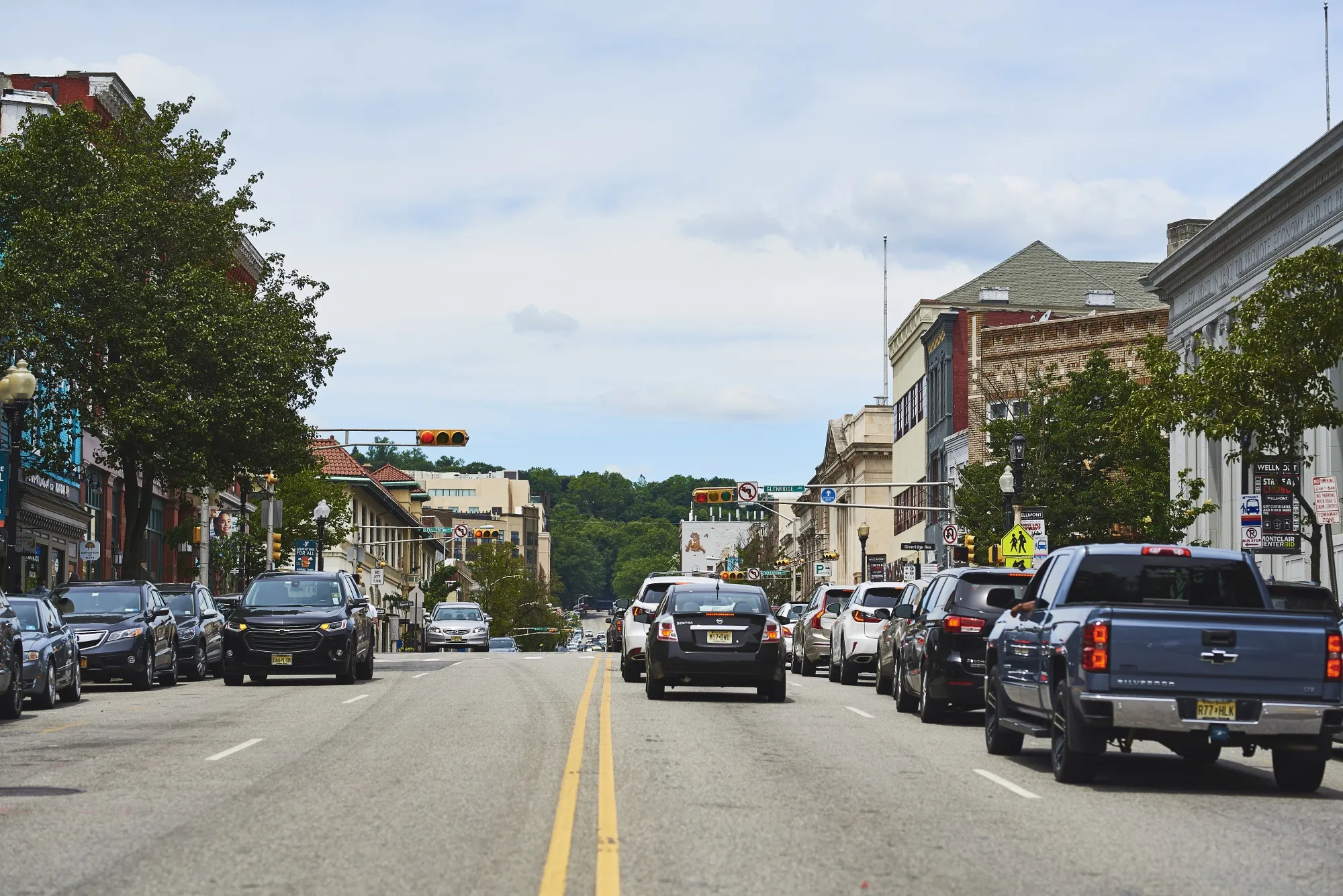
The wealthy New Jersey commuter town of Montclair is moving forward with staff and program cuts at its public schools as part of the system’s efforts to address a nearly $20 million budget gap.
Principals across the Montclair Public Schools district sent messages via email and a parent portal on Friday outlining the plan, according to documents seen by Bloomberg. The changes will be in effect when students return from their winter break on Jan. 5.
The town of around 40,000 people less than 20 miles (32 kilometers) from New York City initially announced the deficit in July, when the school district uncovered $11 million in unpaid bills, a figure that has since grown. The town’s property taxes, which fund the school system, average among the highest in New Jersey.
The district’s curriculum-support positions focused on math and reading from kindergarten through eighth grade are set to be eliminated, as are instructional aides in kindergarten classes. The system’s restorative justice and elementary world languages programs will be gone, and Montclair Counseling Services for grades six to 12 will also be cut.
Reduced offerings include technology courses, school counselors at elementary and middle schools and secretarial positions.
At Montclair High School, all Montclair Community Services staff providing school-based clinical services will be gone. The school’s roster of security agents will be reduced from 13 to nine, and it is losing its librarian and a math teacher. The school counseling department is reassigning caseloads and will lose two student assistance coordinators.
Its principal, Jeffrey Freeman, said in an email message to families that the school is working with the district “to use volunteers and community partners to support our students and minimize disruptions that this situation may cause.”
Representatives for Montclair Public Schools didn’t respond to email and phone calls seeking comment.
Read more: Wealthy New Jersey Suburb Cuts Over 100 School Jobs on Shortfall
The cuts are part of a wave of over 100 staff reductions that the school district, which enrolled around 6,000 students as of its fiscal 2024, first announced in October as part of efforts to eliminate its deficit. The system must plug the shortfalls because it’s illegal in New Jersey for a school district to operate in a deficit.
The gap resulted from escalating and unpaid transportation costs, unbudgeted healthcare expenses as well as special education costs, according to an October report from S&P Global Ratings that dropped the district’s credit rating to BBB+, three levels above junk.
Other options the district is considering to fill the gap include receiving an advance of state aid and asking voters for additional tax revenue. The district had scheduled a special election to levy more taxes on Montclair residents for Dec. 9, but a judge’s ruling last week canceled the referendum.
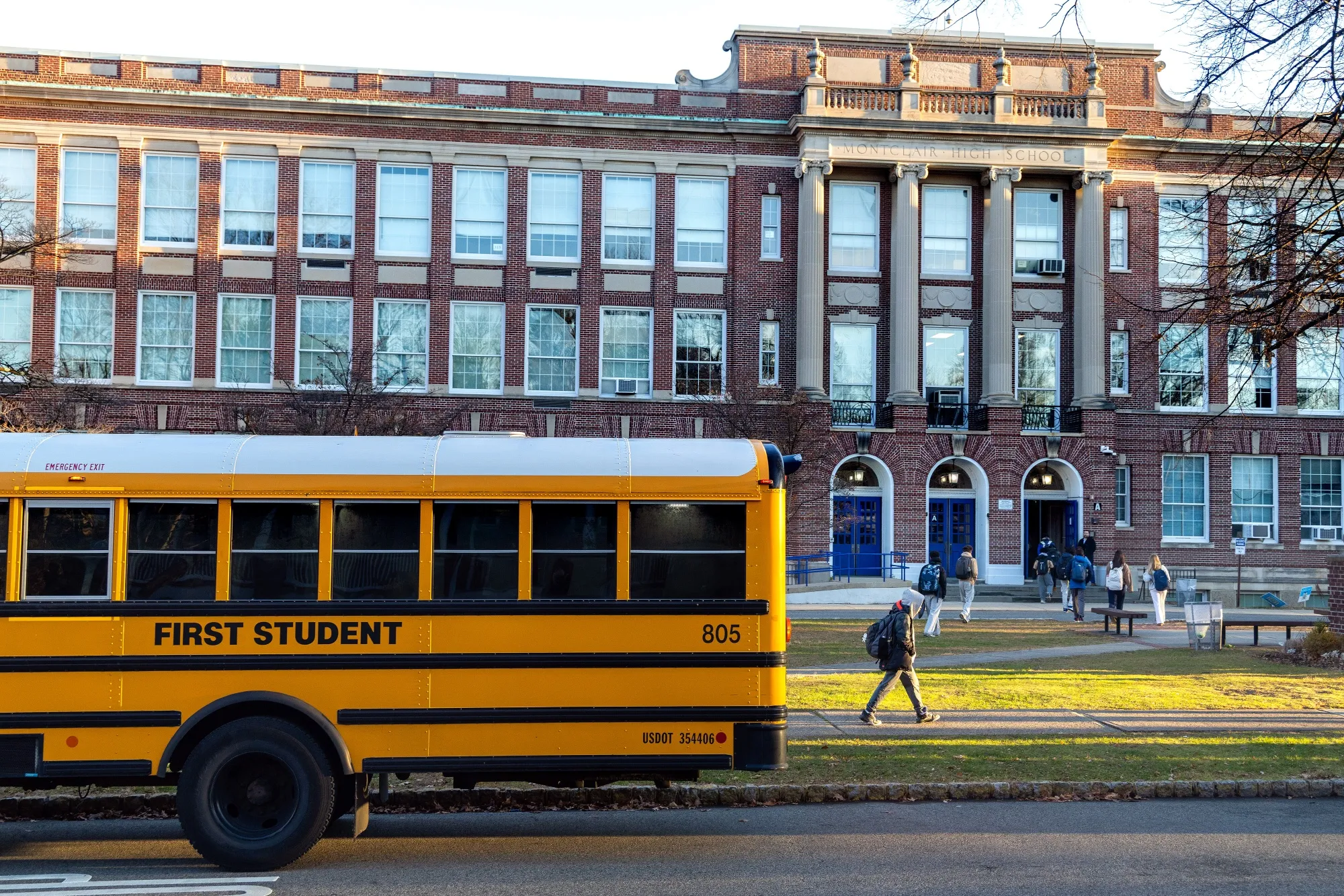
Before that election got nixed, the district had warned of specific cuts if voters didn’t approve the proposed tax hike. Officials said 11 operational aide positions, eight restorative justice teachers, seven school and student assistance counselors, 11.5 secretarial staff, 22 curriculum-support teachers, seven technology teachers, five world language teacher, seven nurses and 20 kindergarten paraprofessionals would be part of the cuts, according to a document on the district’s website, dated Nov. 10.
Read more: Wealthy New Jersey Town’s Vote on Fixing School Deficit Canceled
The prospect of higher taxes and cutbacks in educational programs had become an emotional and divisive issue in Montclair, a progressive-leaning suburb that has long attracted young families with the lure of excellent public schools.
Public schools around the country are increasingly facing financial strain as expenses rapidly outpace revenue and analysts expect the fiscal pressures will continue to grow. However, Montclair’s significant and unexpected deficit marks a “rare” deterioration in a school district’s financial health, according to S&P analyst Charlene Butterfield.
The average Montclair home is valued at over $1 million and property taxes are about $21,400 per year on average, state data show.