Iran launches missiles toward southern and central Israel: IRIB
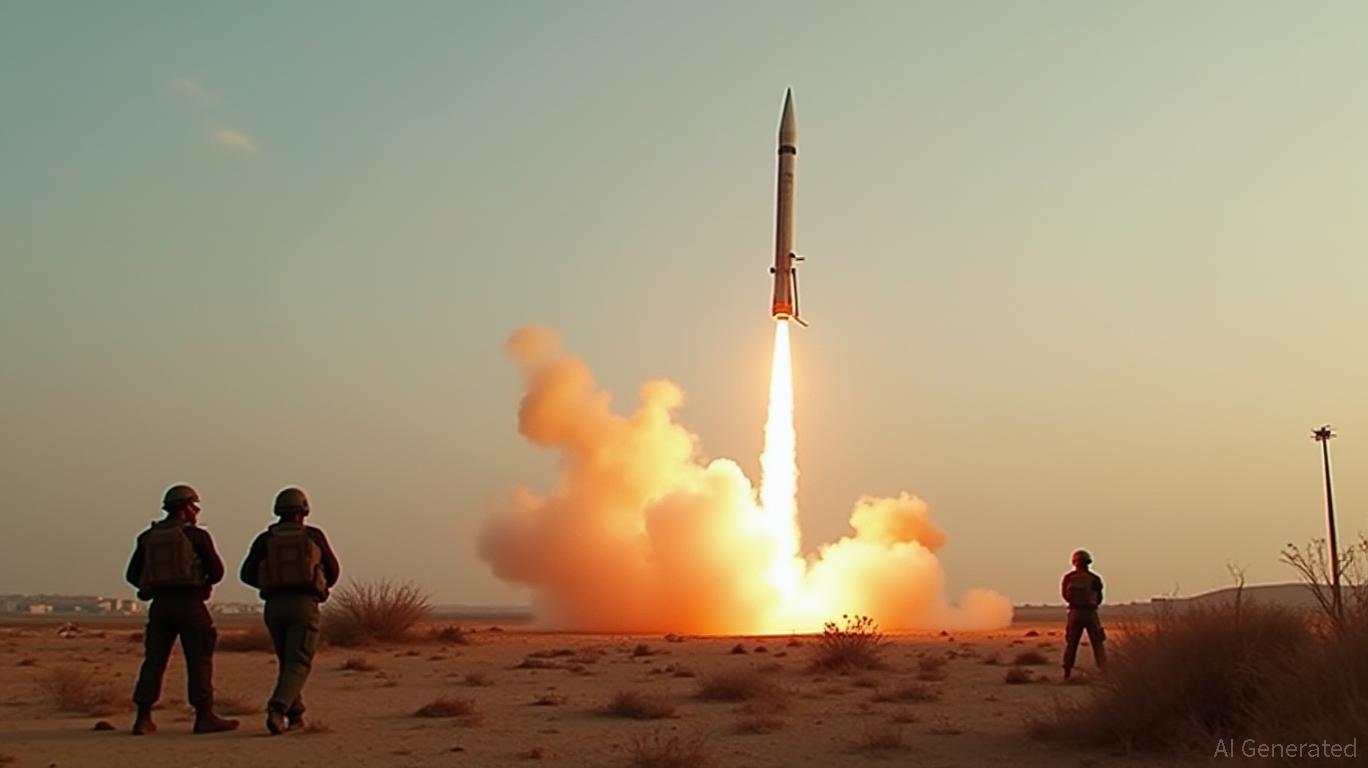
Iran launched a series of ballistic missiles toward southern and central Israel, according to reports from the Islamic Republic of Iran Broadcasting (IRIB). The attacks occurred shortly after a reported ceasefire agreement between the U.S., Israel, and Iran was announced by U.S. President Donald Trump. Sirens were sounded across multiple regions, including Tel Aviv, Haifa, and Jerusalem, as the missile barrage unfolded.
Magen David Adom (MDA), Israel’s emergency medical service, reported three shrapnel fall sites in central and northern Israel, with additional fragments reported in the Sharon area. Central District police, Border police, and bomb disposal units were dispatched to assess the damage and ensure public safety. In the southern Bedouin town of Tel Sheva, four individuals were lightly injured, while 15 others experienced anxiety-related symptoms.
The missile strikes follow a pattern of escalating tensions in the region, with both sides exchanging attacks on critical infrastructure. Earlier reports indicated that Iran targeted a nuclear facility near Dimona, injuring at least 47 people and prompting emergency evacuations. Israel’s Prime Minister Benjamin Netanyahu has pledged to strengthen defensive capabilities and continue operations against perceived threats.
The ongoing conflict has already had a measurable impact on global energy markets. The Strait of Hormuz, a critical oil shipping route, has been partially blocked since the start of the war, contributing to a sharp rise in crude oil prices. Crude oil has surpassed $100 per barrel, reflecting a nearly 70% increase year-to-date. The G7 foreign ministers have called for an immediate cessation of hostilities and expressed readiness to support global energy stability.
As the situation remains fluid, investors are advised to monitor geopolitical developments closely, as further military actions could exacerbate market volatility and disrupt global supply chains.