Kallas: No-one can predict which direction war will take
TL;DR
Estonian Prime Minister Kaja Kallas warns that geopolitical conflicts are unpredictable, with hybrid threats and a weakening international order heightening global instability. She advocates for stronger European defense and sanctions, despite challenges in forcing Russia's retreat.
Tags
Kallas: No-one can predict which direction war will take
Kallas: Geopolitical Uncertainties Heighten Risks for Global Stability
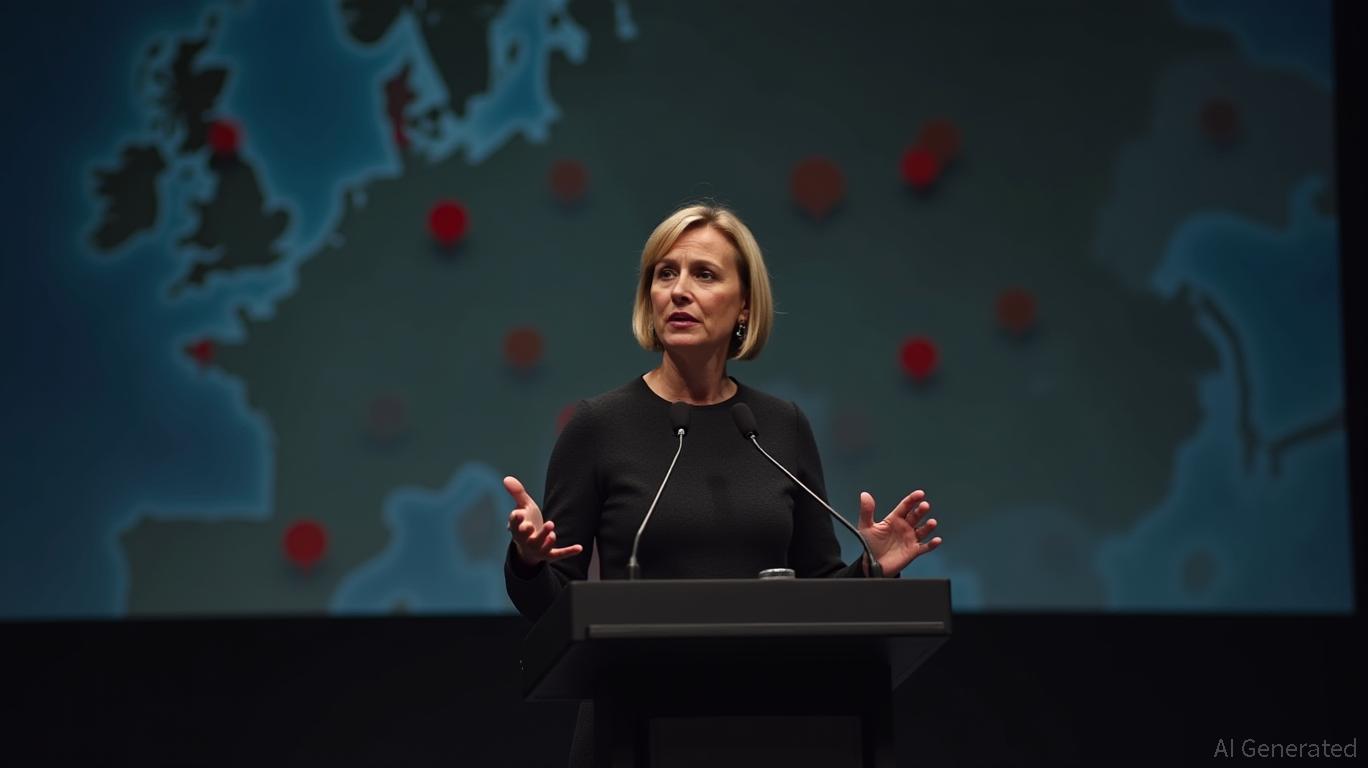
Estonian Prime Minister Kaja Kallas has underscored the unpredictable nature of contemporary geopolitical conflicts, warning that structural shifts in international relations are complicating efforts to maintain stability. Speaking at the Munich Security Conference and through recent public statements, Kallas emphasized that Europe faces an "uncertain security landscape" shaped by Russia's aggression, Middle East volatility, and evolving transatlantic dynamics.
Kallas highlighted that traditional frameworks for conflict resolution are eroding, with hybrid threats—such as cyberattacks, disinformation, and drone incursions—blurring the lines between war and diplomacy. "The rules-based international order is breaking," she stated, cautioning that the absence of clear norms increases the risk of escalation. This unpredictability is compounded by Russia's prolonged invasion of Ukraine, which has defied expectations regarding its duration and economic resilience despite stringent sanctions.
To address these challenges, Kallas advocated for a stronger European defense posture, citing collaborative initiatives like the €90 billion EU loan for Ukraine and joint investments in low-cost air defense systems by key member states. She also defended Europe's sanctions strategy against Russian oil and gas, noting that while their economic impact is measurable, they have not yet forced Moscow to abandon its military objectives.
The EU leader acknowledged criticism of European bureaucratic inertia but argued that reforms are underway to accelerate decision-making. At the same time, she pushed back against U.S. calls for Europe to adopt a more assertive security role, stressing that the bloc's contributions within NATO—such as increased defense spending—already strengthen collective resilience.
For investors, Kallas's remarks signal prolonged geopolitical risks that could disrupt energy markets, trade routes, and capital flows. The EU's focus on self-reliance, including sanctions enforcement and defense industrial base investments, may drive short-term fiscal pressures but aims to mitigate long-term vulnerabilities. As Kallas concluded, "The direction of conflict is unclear, but inaction is not an option".