What the Iran Conflict Means for Bitcoin's Price
TL;DR
Bitcoin showed resilience amid Middle East tensions, with a smaller decline than equities. Experts note initial shock was absorbed, and market indicators suggest a potential long opportunity despite oil price risks.
Key Takeaways
- •Bitcoin's price decline (-0.4% to $66,600) was smaller than equity losses, showing relative resilience to geopolitical uncertainty.
- •Market indicators like negative funding rates and low Fear & Greed Index suggest mechanical support for long positions.
- •Oil price surges from the conflict could threaten inflation and risk assets, but experts see this as unlikely to be the base case.
- •Initial selling pressure was contained as Bitcoin reclaimed weekend losses, with U.S. spot ETFs drawing significant inflows.
- •Safe-haven assets like gold spiked, but geopolitical risk premiums often fade quickly once risks appear contained.
Tags
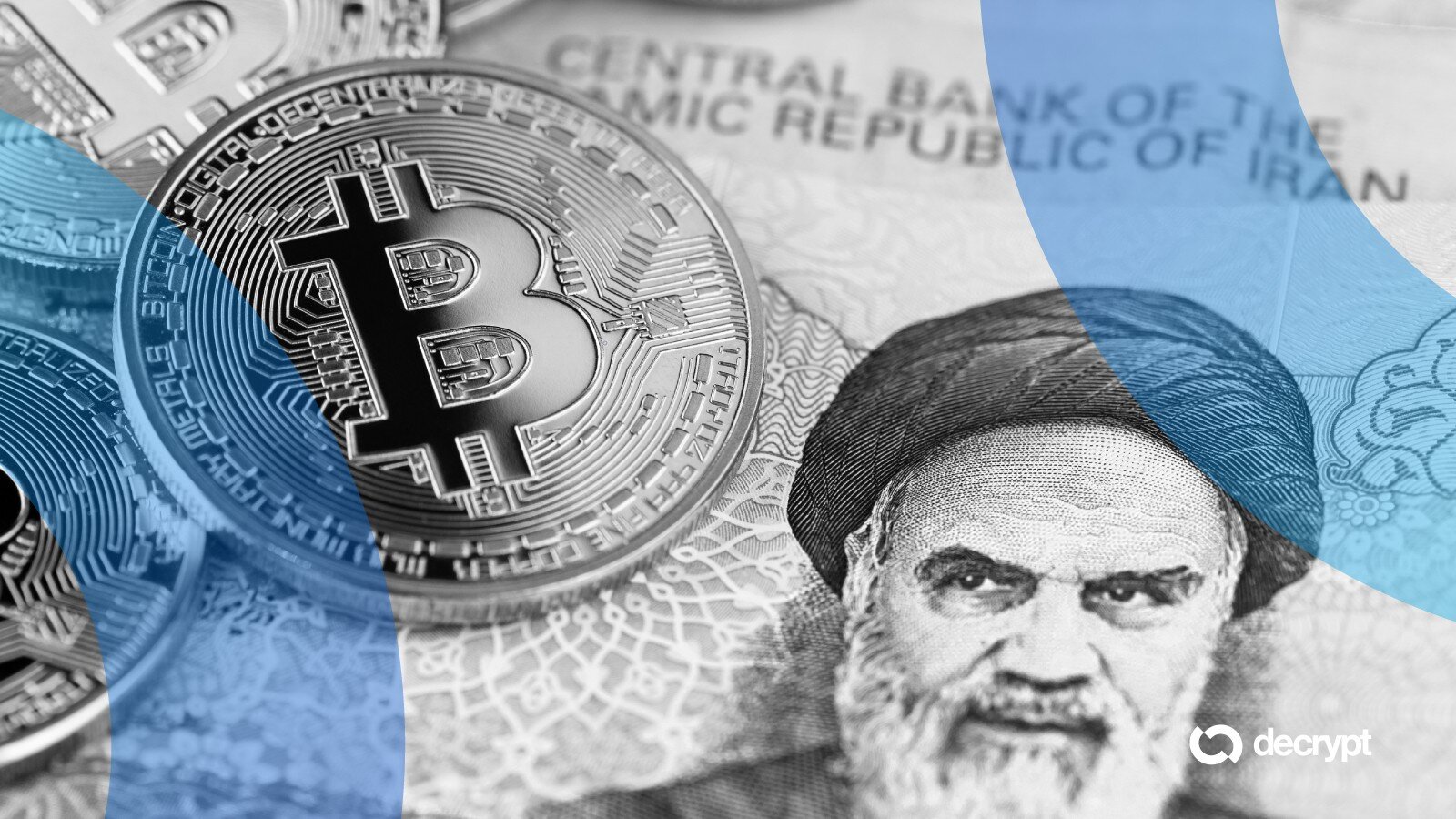
Bitcoin has so far absorbed the latest escalation in the Middle East, following a spike in volatility in U.S. futures on Sunday, as traders continue to parse the impact on global energy markets.
U.S.-led strikes on Iranian targets have prompted retaliatory missile and drone attacks, raising fears of a wider regional conflict after reports that Ayatollah Ali Khamenei’s 36-year rule as Iran’s supreme leader had ended.
Iran has warned of further retaliation, while shipping and aviation disruptions across the Gulf have sharpened concerns that the conflict could extend beyond a limited exchange.
Bitcoin is down 0.4% on the day to $66,600 after reclaiming ground lost over the weekend, when its price fell to as low as $63,000. The asset is down roughly 2.8% on the week, according to CoinGecko data.
The decline was relatively smaller than losses implied by equity-index futures, which were down more than 1% across the Nasdaq, Dow, and S&P 500. Losses in equity-index futures suggests investors are marking down risk broadly in response to overnight macro and geopolitical developments ahead of the U.S. open.
“Bitcoin's initial sell-off was almost textbook; markets hate uncertainty more than bad news, and the moment the Iran conflict looked contained, the reflexive bid came back fast,” Ryan McMillin, chief investment officer at Merkle Tree Capital, told Decrypt.
The expert pointed to a Fear and Greed index reading of 11, alongside Bitcoin futures funding rates swinging to -6%, indicating shorts are paying a significant premium to maintain a bearish bias in a situation not seen since Bitcoin traded at $16,000 back in 2022.
“The market is mechanically paying you to be long; it’s time to get long, McMillin said.
Echoing that sentiment, Pratik Kala, head of research at Apollo Crypto, told Decrypt Bitcoin’s price action suggested much of the initial shock had already been reflected.
“Bitcoin would've sold off by now if it had to—the tape through the event over the weekend was very positive. CME futures have also opened, and if Bitcoin were to dump or follow equities, it would have by now,” Kala said.
Broader markets have focused on the potential for disruption around the Strait of Hormuz, the narrow shipping lane that carries roughly one-fifth of global oil supply.
Oil prices have surged sharply on the Iran conflict, with Brent crude jumping roughly 8–10% toward $80 a barrel and U.S. WTI up about 7–8%.
“If oil stays elevated, there will be a risk to a higher inflation print, which is negative for risk assets—and Bitcoin,” Kala said. “However, I don't expect that to be the base case.”
Kala cited large oil supplies from OPEC countries that could seek to “plug the gap” and President Donald Trump doing “things in his power” to keep prices low, as “he knows that will turn the sentiment of Americans most.”
Safe-haven gold, meanwhile, has leapt more than 2% to $5,388 per troy ounce.
"The ongoing Middle East conflict is set to further fuel gold's tailwinds, likely triggering a knee-jerk price spike on rising safe haven demand.” Han Tan, chief market analyst at Bybit Learn, told Decrypt.
“Still, seasoned market watchers would be well aware that geopolitical risk premiums are often faded out swiftly, once market and economic risks are digested and appear to be contained,” he added.