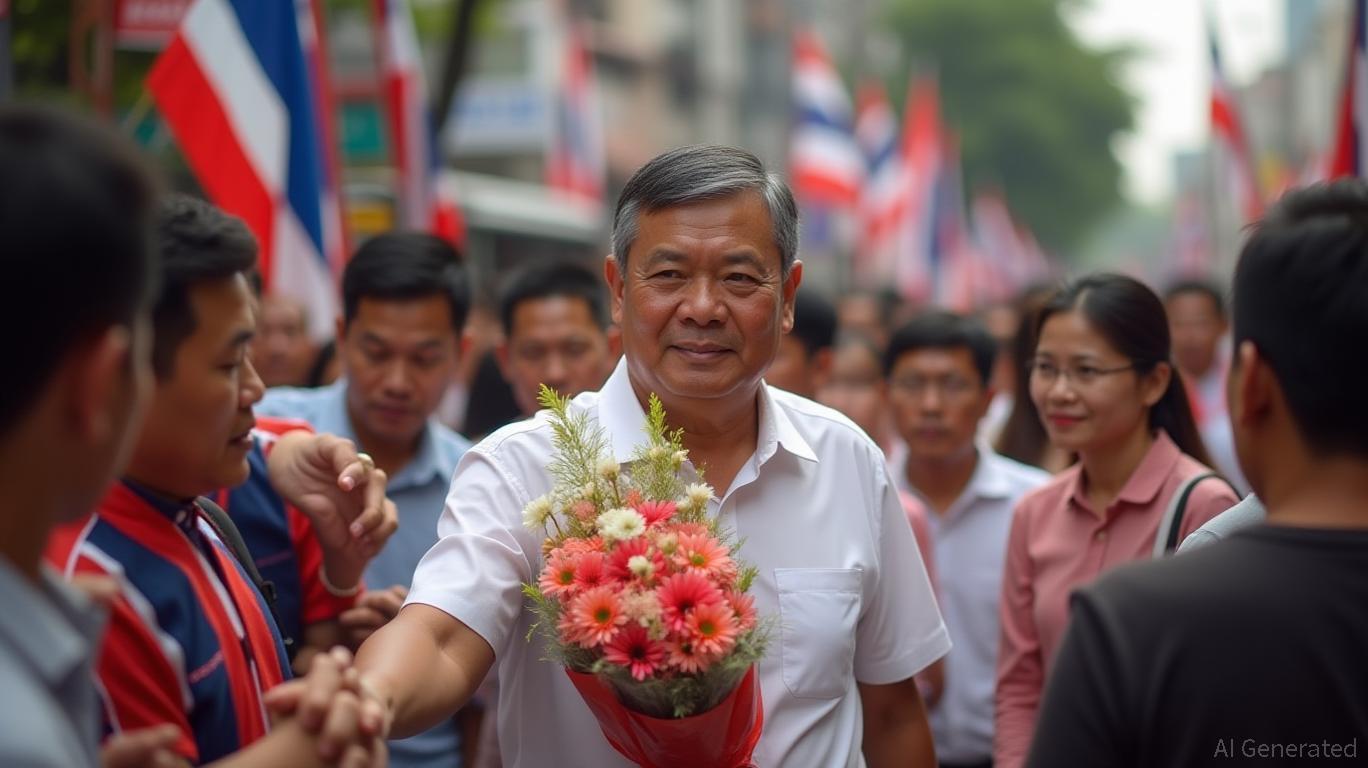
Anutin's surprise win marks conservative resurgence in Thailand
TL;DR
Anutin's surprise election win signals a conservative resurgence in Thailand, prioritizing stability but delaying liberal reforms. This outcome may enhance governance continuity but leaves key economic policies unclear, affecting competitiveness and structural changes.
Anutin's surprise win marks conservative resurgence in Thailand
Anutin’s Surprise Win Marks Conservative Resurgence in Thailand
Thailand’s February 8 general election delivered an unexpected outcome, with Prime Minister Anutin Charnvirakul leading the ruling Bhumjaithai Party (BJT) to a decisive victory, signaling a resurgence of conservative-royalist political forces. This marks the first time since 2001 that a conservative party has secured an outright win, ending a decade of political fragmentation.
The BJT’s success reflects strong public support for stability, a key priority for investors and economists. Thailand has experienced frequent political upheaval since the 1997 Asian financial crisis, with frequent elections, coups, and policy shifts creating an unpredictable environment. Anutin’s victory could usher in a period of governance continuity, potentially enhancing long-term economic planning. However, the win also delays contentious reforms to the monarchy and military advocated by liberal opposition parties, which had sought to modernize institutional structures.
From a financial perspective, the BJT’s agenda remains unclear. While the party has emphasized economic development and rural support, core policy questions—such as fiscal stimulus measures, trade strategies, and responses to regional economic challenges— remain unanswered. Analysts note that the government’s alignment with conservative-royalist interests may prioritize traditional economic sectors over disruptive innovations, potentially affecting Thailand’s competitiveness.
The election outcome also underscores shifting political dynamics across Asia, where conservative movements are gaining traction amid global uncertainties. For Thailand, the challenge will be balancing stability with the need for structural reforms to address long-standing issues such as income inequality and digital transformation according to analysis. Investors will closely monitor policy actions and their implications for Thailand’s economic trajectory in the coming years.
- Nikkei Asia: The EconomistThe Economist