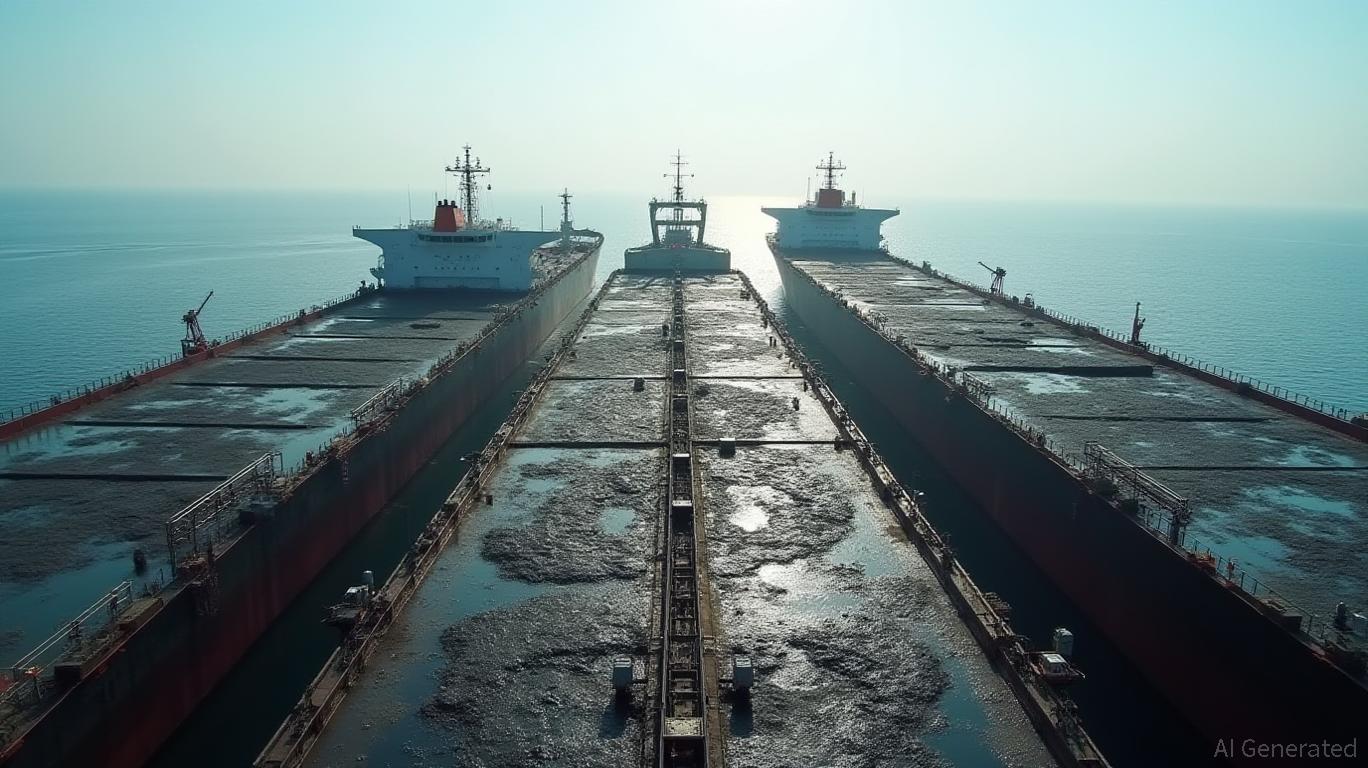
Iranian crude oil loadings averaging 2.1 million barrels per day since conflict began, exceeding 2.0 million barrels per day exported in early Februar...
TL;DR
Iran's crude oil exports have risen to 2.1 million barrels per day, exceeding pre-conflict levels, despite the Strait of Hormuz blockage. This surge reflects efforts to maintain flows through alternative routes, but sustainability is uncertain amid global supply risks.
Iran’s crude oil exports have surged to 2.1 million barrels per day (bpd) on average over the past six days, surpassing the pre-conflict level of 2.0 million bpd in February, according to vessel-tracking data from Kpler. This increase occurs despite the ongoing blockage of the Strait of Hormuz, a critical global energy chokepoint. The rise in loadings reflects Iran’s efforts to maintain export flows amid heightened geopolitical tensions, including the rerouting of shipments through alternative ports such as Jask, though operational efficiency there remains significantly lower than at the primary hub of Kharg Island.
The Strait of Hormuz crisis has disrupted approximately 16 million bpd of petroleum product flows, including crude, condensates, and refined fuels, according to Kpler analysis. While Iran has capitalized on reduced competition from Gulf neighbors like Saudi Arabia—whose supplies have been curtailed due to conflict-related constraints—the sustainability of Iran’s current export pace remains uncertain. Bypass routes, including land pipelines and limited maritime alternatives, collectively handle only 7–8 million bpd, less than half of normal Hormuz throughput.
JP Morgan has warned that prolonged strait closure could trigger significant global supply shortages, exacerbating market volatility. Meanwhile, Kpler data indicate that Iranian crude-on-water stocks have reached record levels, with 191 million barrels afloat globally as of late February, driven by elevated loadings and subdued Chinese demand. Analysts emphasize that without a resolution to the strait’s blockage, the strain on global energy markets—including refined product shortages and elevated prices—will intensify in the coming weeks.