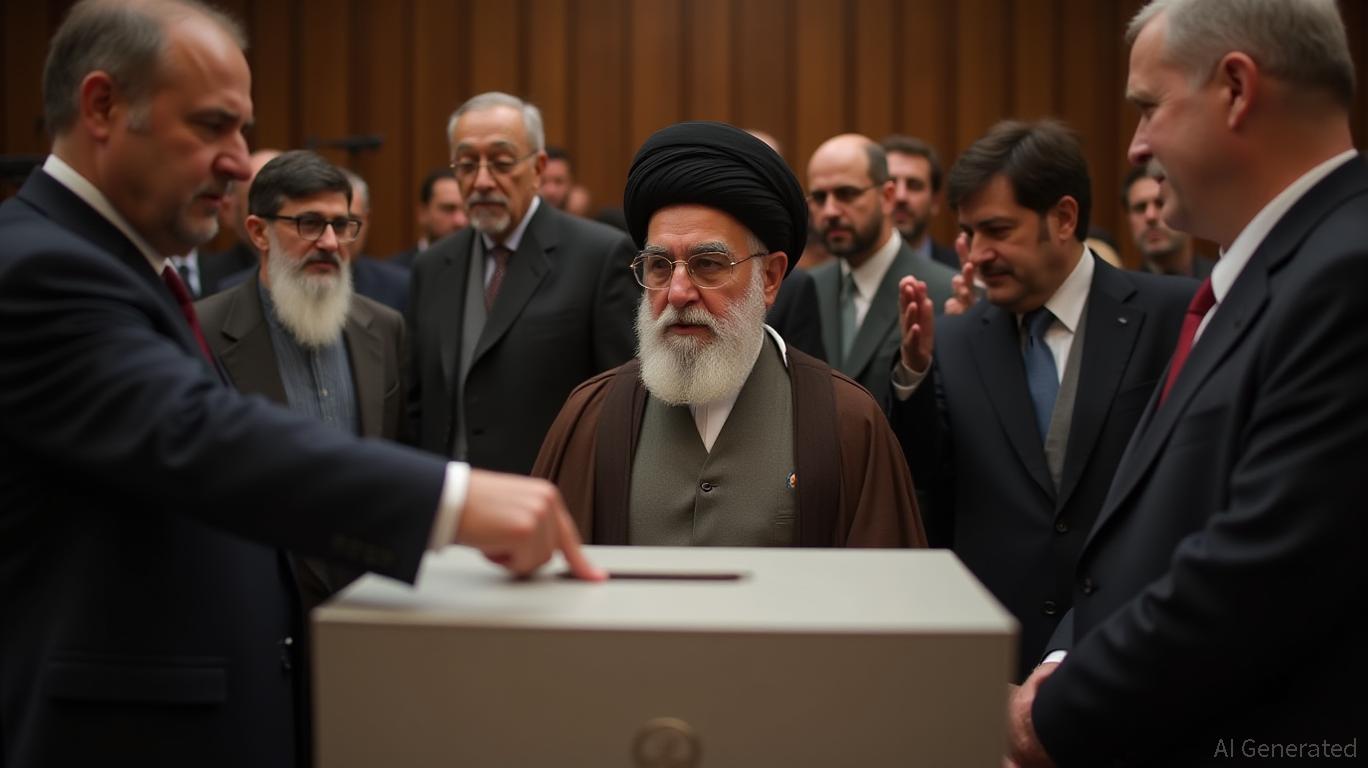
Next Iran Supreme Leader to be elected by vote - FARS
TL;DR
Iran's next Supreme Leader will be elected by vote, a change from traditional selection, raising economic uncertainty due to potential policy shifts affecting sanctions, oil, and investor confidence.
Tags
Next Iran Supreme Leader to be elected by vote - FARS
Iran’s Supreme Leader Election Method Sparks Economic Uncertainty
Iran’s official news agency FARS reported on March 3, 2026 that the next Supreme Leader will be elected through a voting process, marking a departure from the traditional selection by the Assembly of Experts. This procedural shift has raised questions about its implications for Iran’s economic policies and investor confidence.
The Supreme Leader holds significant authority over Iran’s political and economic direction, including decisions on sanctions compliance, oil exports, and fiscal reforms. A vote-based election could potentially alter policy continuity, depending on the candidate’s platform and public sentiment. Analysts note that such a change might prioritize short-term economic demands, such as inflation control or currency stabilization, over long-term strategic goals.
The Iranian rial has faced volatility in recent years due to U.S. sanctions and fluctuating oil prices. A new leader elected via popular vote may face pressure to address these challenges swiftly, potentially influencing negotiations with international partners or domestic subsidy reforms. However, the extent of these changes remains speculative, as the election's structure—such as voter eligibility and campaign transparency—has not been detailed.
For global investors, the shift underscores heightened uncertainty in Iran’s political landscape. Sectors sensitive to policy changes, including energy, banking, and foreign trade, may experience volatility as markets assess the new leadership's priorities. Additionally, the election could impact Iran's compliance with international agreements, such as the Joint Comprehensive Plan of Action (JCPOA), though no immediate shifts in nuclear policy have been announced.
Financial professionals are advised to monitor post-election developments closely, particularly announcements regarding economic teams and legislative agendas. While the vote introduces a potential for more populist economic policies, Iran's complex institutional framework may still limit the leader's autonomy in fiscal matters.
The outcome of this election will likely shape Iran's economic trajectory for years, with ripple effects on regional trade and global energy markets.
[引用越界:1]: FARS, March 3, 2026.