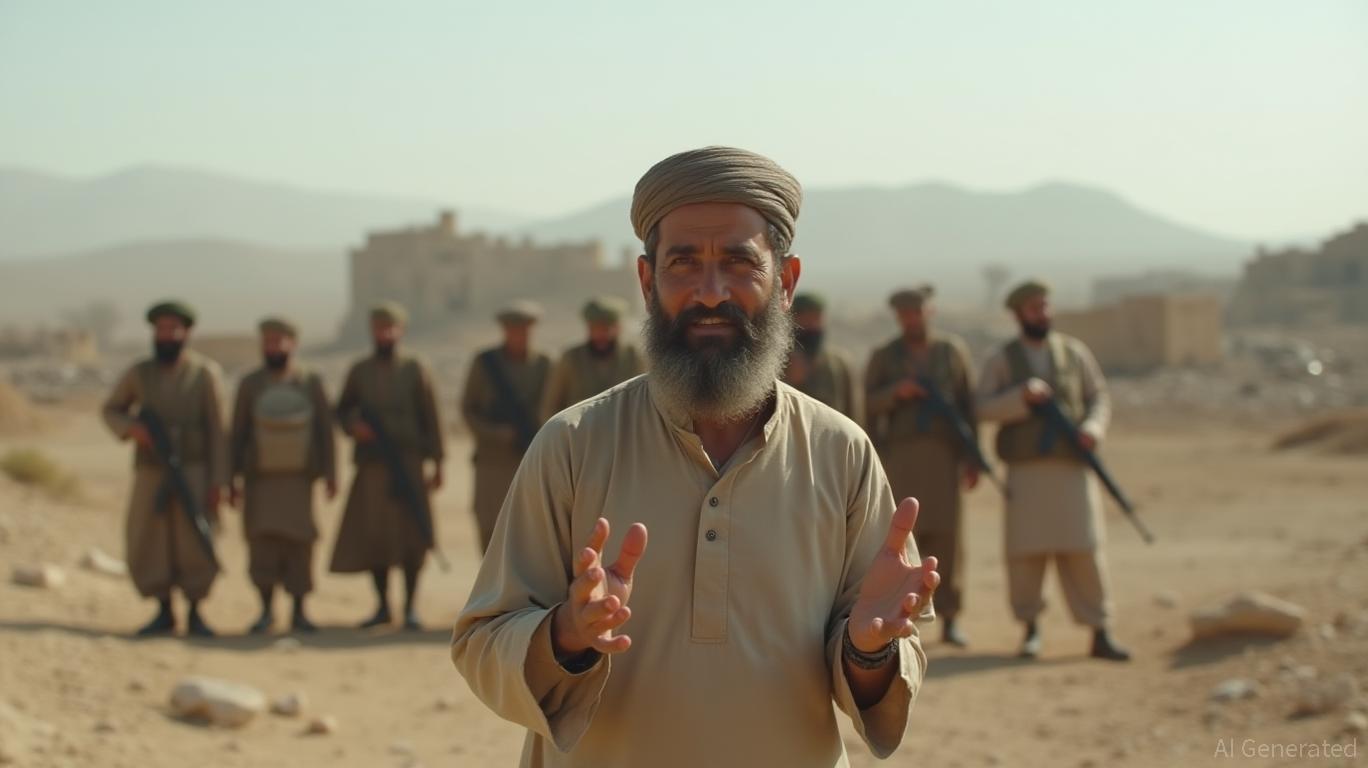
Afghan Taliban spokesperson: Always tried to resolve issues through dialogue, want to resolve this matter through dialogue as well
TL;DR
Afghan Taliban spokesperson Zabihullah Mujahid emphasizes dialogue to resolve escalating tensions with Pakistan, but cross-border clashes and economic disruptions threaten regional stability and trade.
Tags
Afghan Taliban spokesperson: Always tried to resolve issues through dialogue, want to resolve this matter through dialogue as well
Afghanistan and Pakistan Tensions Escalate, Raising Economic and Geopolitical Concerns
The recent escalation of cross-border clashes between Afghanistan’s Taliban-led government and Pakistan has intensified concerns over regional stability, with potential ripple effects on trade, energy markets, and international aid flows. Zabihullah Mujahid, the Taliban’s chief spokesperson, emphasized that Afghanistan has "always tried to resolve issues through dialogue" and reiterated a commitment to diplomatic solutions despite the current hostilities. However, Pakistan’s declaration of an “open war” and airstrikes on Afghan soil have complicated prospects for de-escalation.
The conflict has immediate economic implications. Pakistan’s military operations, including strikes on Kabul, Kandahar, and Paktika, have disrupted trade routes and raised risks for regional commerce. The Torkham border crossing, a critical corridor for Afghan migrants returning from Pakistan, remains operational but faces heightened insecurity. Analysts warn that prolonged hostilities could strain Afghanistan’s already fragile economy, which relies heavily on cross-border trade and international aid.
Russia, a regional actor with historical ties to both nations, has called for an immediate halt to hostilities and offered to mediate. Meanwhile, Ukraine’s Defense Minister, Mykhailo Fedorov, highlighted broader economic warfare strategies, noting that restricting Russia’s oil refining capacity could pressure its budget amid ongoing conflicts. While not directly tied to the Afghanistan-Pakistan dispute, this underscores how energy and economic leverage are increasingly weaponized in geopolitical tensions.
The United Nations has urged adherence to international law and prioritization of civilian protection, with Secretary-General Antonio Guterres stressing the need for dialogue. However, the Taliban’s refusal to recognize the Durand Line—a colonial-era border disputed by Afghanistan— complicates diplomatic efforts.
For investors, the conflict underscores risks in South Asia’s volatile markets. Escalation could disrupt energy corridors, delay infrastructure projects, and deter foreign direct investment. Conversely, successful mediation efforts—potentially involving regional powers like Iran or Qatar—might stabilize the region, though outcomes remain uncertain.
As Mujahid reiterated, “dialogue is the only path forward”, but with both sides entrenched, the economic and humanitarian costs of inaction loom large.