Big Tech Joins White House Energy Pledge as Iran Tensions Threaten Higher Costs
TL;DR
Seven major AI companies signed the White House's Ratepayer Protection Pledge, committing to cover electricity generation and grid upgrade costs for their data centers to prevent higher household energy bills. The pledge addresses growing concerns about AI infrastructure's electricity demand amid rising energy costs and Middle East tensions.
Key Takeaways
- •Amazon, Google, Meta, Microsoft, OpenAI, Oracle, and xAI pledged to pay for all electricity generation and grid upgrades needed for AI data centers.
- •The agreement aims to prevent AI infrastructure expansion from raising electricity costs for households and businesses.
- •Companies must build/buy their own power, cover grid upgrade costs, and negotiate separate rate structures to avoid passing costs to consumers.
- •The pledge comes amid growing local opposition to data centers over electricity/water use and tightening global energy markets due to Middle East tensions.
- •Participating companies highlighted investments in new power capacity, grid resilience, and job creation through data center construction.
Tags
Seven of the leading companies behind the AI boom have agreed to pay for the electricity it requires.
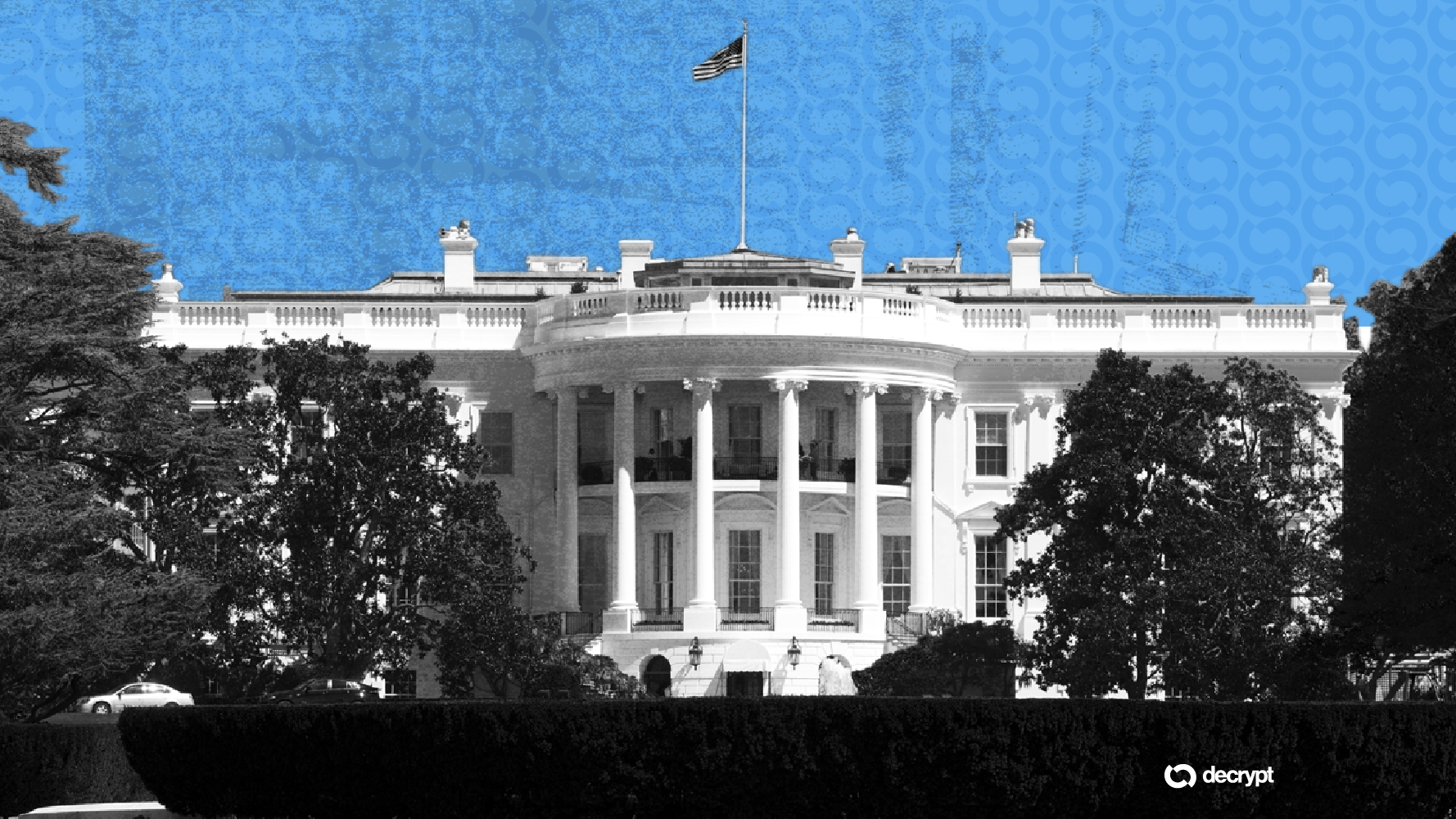
On Wednesday, Amazon, Google, Meta, Microsoft, OpenAI, Oracle, and xAI signed the White House’s Ratepayer Protection Pledge, committing to cover the cost of electricity generation and grid upgrades needed to power new AI data centers.
During a press conference at the White House, President Donald Trump said the agreement is intended to prevent AI infrastructure from raising electricity costs for households and address concerns that expanding AI infrastructure could increase power costs.
“First, these companies are committing to provide or pay for all power generation and electricity needed for their AI projects,” Trump said. “Second, they'll cover the costs of upgrading existing power delivery infrastructure.”
The pledge comes as local opposition to new AI data centers grows across the U.S. over concerns about electricity demand, water use, and the public costs of expanding the infrastructure needed to power them.
While Trump did not link the pledge to the ongoing conflict in the Middle East, it comes as global energy markets tighten following U.S. strikes on Iran, which controls the Strait of Hormuz, a major shipping route for global oil supplies. Rising oil prices have renewed attention on energy affordability as electricity demand grows alongside AI development.
Under the Ratepayer Protection Pledge, companies must build, bring, or buy the electricity needed for their AI data centers, pay for transmission lines, substations, and other grid upgrades, and cover those costs whether they use the power or not.
They will also negotiate separate electricity rate structures with utilities and state regulators to prevent those costs from being passed on to consumers.
“President Trump is ensuring the data center boom is leveraged to address affordability and benefit all American households and businesses,” the White House said in a statement. “The Ratepayer Protection Pledge contributes to lower electricity costs, stronger grid infrastructure, and enhanced grid resilience during emergencies.”
Pressure on the grid
Companies participating said they are investing in new power capacity and grid upgrades as AI data centers increase electricity demand.
“xAI is committed to deploying artificial intelligence that makes the lives of people better as well as adding more power near our datacenters to reduce the cost of energy for the American people,” xAI wrote on X.
“When Amazon invests in new data centers, we also contribute to upgrading the grid because meeting the nation’s growing energy demand is essential to keeping power affordable and reliable, supporting everyday life, enabling economic growth, and strengthening U.S. competitiveness,” Amazon said in a statement.
Speaking at the White House, Meta President Dina Powell said the company intends to cover the electricity costs tied to its facilities while investing in workforce development tied to the buildout.
“We want to fully cover the cost of the energy that we use in our data centers,” Powell said, adding that data centers also bring jobs. “It's not just extraordinary engineers, it is pipe fitters, it is welders, it is electricians.”
Powell also announced a training program tied to data center construction. “We have launched a pilot in Ohio to train fiber technicians,” she said. “When you graduate, you have a license to be a fiber technician and a guaranteed job with Meta.”
Google President Ruth Porat said the expansion of AI computing requires major additions to the electricity supply.
“It must be powered by abundant and affordable energy if it is to benefit all Americans,” Porat said, adding that Google is adding new power capacity as it expands data centers.
“In Texas alone, we have contracted to add more than 7,800 megawatts of net new energy generation and capacity to the grid as we grow our data center footprint,” she added.
Utilities and regulators have warned that AI computing could significantly increase electricity demand. Large data center campuses can consume as much power as small cities, prompting debate over how new power generation and transmission projects will be financed.
White House science adviser Michael Kratsios said the pledge is meant to ensure the growth of AI infrastructure does not shift energy costs to households.
“American AI leadership should never come at the cost of hard-working Americans' ability to pay their electricity bills,” he said.