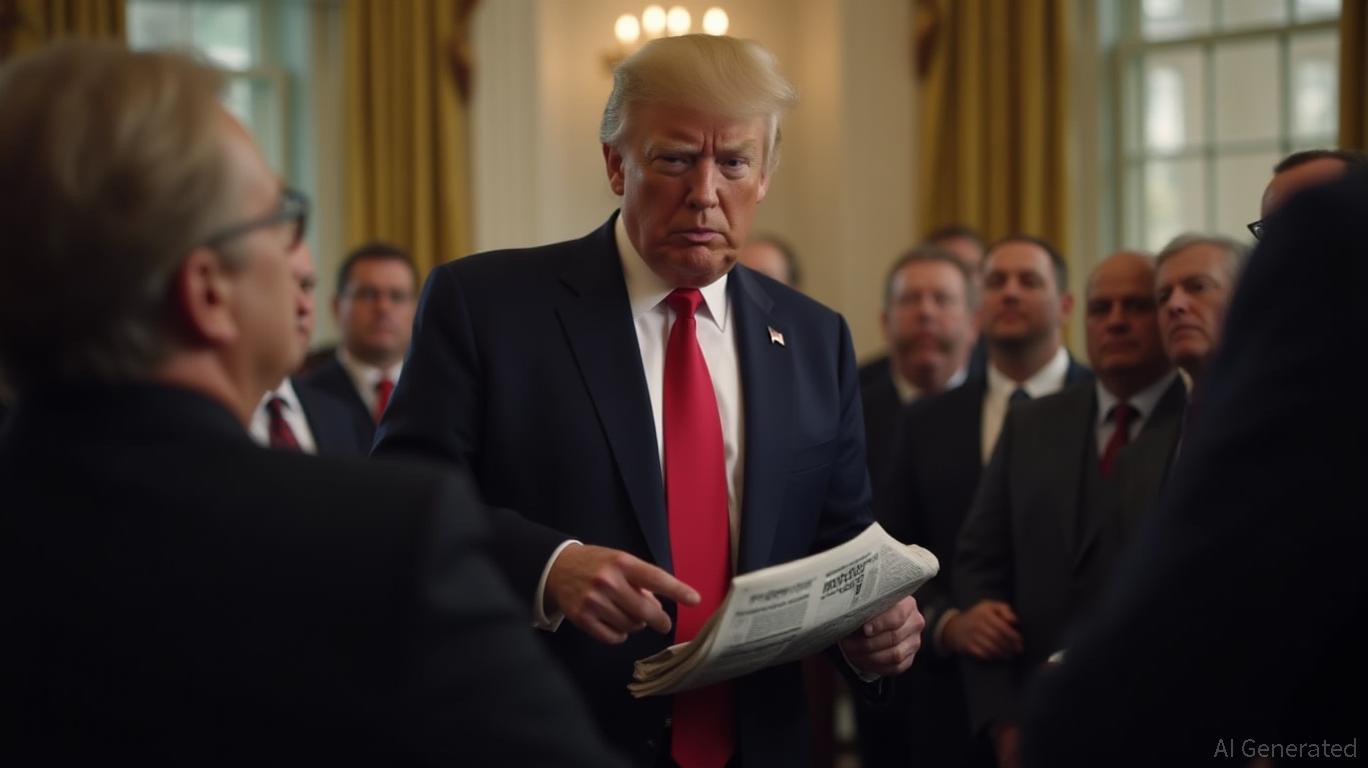
Trump: No way to argue against dissenting
TL;DR
The U.S. Supreme Court ruled 6-3 that former President Trump's broad tariffs lacked legal justification under the International Emergency Economic Powers Act, challenging his executive authority and reinforcing congressional power over taxes. The decision is a setback for Trump's economic agenda and may deter future presidents from using emergency powers for economic policies without congressional approval.
Tags
Trump: No way to argue against dissenting
Supreme Court Curbs Executive Power in Landmark Tariff Ruling
The U.S. Supreme Court delivered a significant rebuke to former President Donald Trump's expansive use of executive authority, ruling 6-3 that his imposition of broad tariffs on global imports lacked legal justification under the International Emergency Economic Powers Act (IEEPA). The decision, issued on February 20, 2026, challenges a cornerstone of Trump's economic policy and clarifies constitutional boundaries for presidential power.
The court determined that the 1977 IEEPA, designed to address national emergencies, did not authorize Trump's sweeping tariffs, which targeted "trading partners" across multiple sectors. While the Trump administration argued the tariffs were regulatory measures to address trade imbalances, the court emphasized that such actions traditionally require congressional approval under the Constitution's taxing clause.
In his majority opinion, Chief Justice John Roberts, a conservative appointee, noted: "The vehicle is the imposition of taxes on Americans, and that has always been a core power of Congress."
The ruling directly counters Trump's assertion that tariffs would generate revenue and revitalize U.S. industries. The administration's solicitor general, D. John Sauer, contended that the tariffs were "regulatory" and "incidental" to revenue generation.
However, justices expressed skepticism, with liberal Justice Sonia Sotomayor criticizing the argument as contradictory. She stated: "You want to say tariffs are not taxes, but that's exactly what they are."
The decision is a setback for Trump's economic agenda, which relied heavily on unilateral trade actions. It also reinforces judicial oversight of executive power, even within a conservative-leaning court. Analysts note the ruling may deter future presidents from leveraging emergency powers for broad economic policies without congressional input. For now, the decision leaves unresolved questions about the scope of IEEPA and could influence ongoing debates over trade policy and legislative authority.
As the U.S. economy navigates slowing growth and inflationary pressures, the ruling underscores the legal and political risks of expansive executive actions in economic governance.