Crypto’s Next ‘Dominant Narrative’ Will Be Privacy: Arthur Hayes
TL;DR
Arthur Hayes predicts privacy will be crypto's next dominant narrative, with Zcash as the 'privacy beta.' He ties this to U.S. credit expansion and energy price controls, positioning privacy assets as a response to state surveillance.
Key Takeaways
- •Arthur Hayes believes privacy will define the next major crypto trend, with Zcash serving as a key asset in this shift.
- •He links the privacy trade to U.S. political incentives for credit expansion and efforts to control energy prices to avoid voter backlash.
- •Hayes has built a significant Zcash position through his family office, Maelstrom, viewing it as an underpriced response to expanding state surveillance.
- •Zcash has seen substantial price gains, rising from around $120 to $514, reflecting growing interest in privacy-focused cryptocurrencies.
Tags
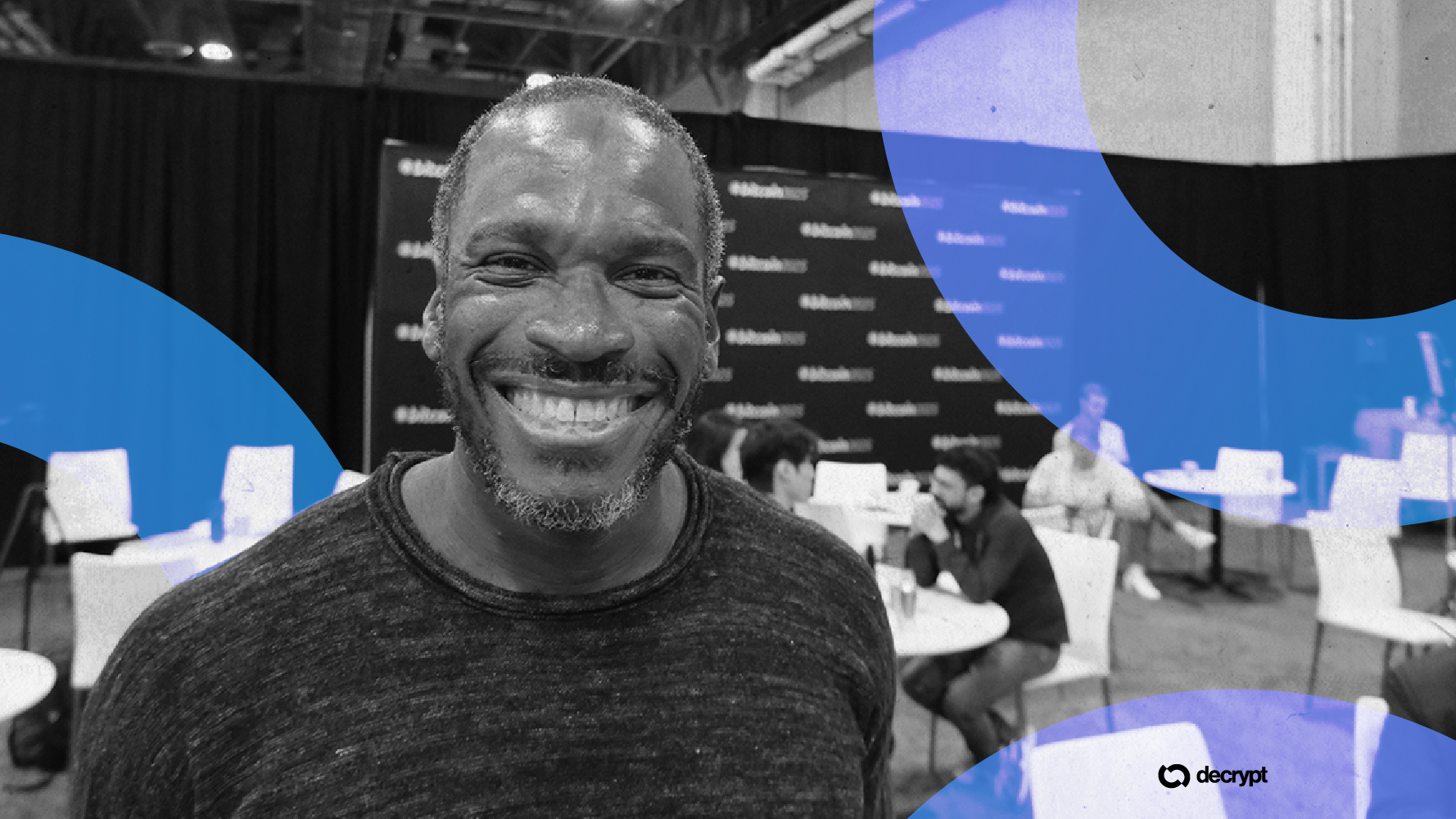
Arthur Hayes is betting that privacy will define crypto’s next trade, arguing that Bitcoin’s institutional success has opened room for more adversarial assets like Zcash.
The BitMEX co-founder laid out his thoughts on Tuesday in a blog post where he disclosed that his family office, Maelstrom, has already built a sizable Zcash position and framed privacy as an underpriced response to expanding state surveillance and sanctions enforcement.
“Looking into the future, this year’s dominant narrative will surround privacy,” Hayes wrote. He added that Zcash will become the “privacy beta,” and that Maelstrom is “already long a fuck ton of that at excellent prices obtained in 3Q25.”
The stance marks a shift for Hayes, who has typically centered Bitcoin as the primary beneficiary of macro liquidity cycles, and reframes privacy as part of the same macro logic instead of a standalone bet.
Hayes tied the privacy trade to a broader thesis that U.S. political incentives favor aggressive credit expansion, with energy prices ostensibly working as the key constraint over how far policymakers can push stimulus without triggering voter backlash.
He further framed privacy as a downstream effect of sustained deficits, pressure to keep economies running hot, and tighter controls on capital flows, with privacy-focused assets such as Zcash emerging as an additional channel for crypto demand.
“The inflation that torpedoes re-election odds is of the food and energy variety,” he argued, adding that “the key metric for Americans is the price of gasoline.”
This comes as the U.S. carried out strikes in Venezuela and took President Nicolás Maduro into custody ahead of an appearance in a Manhattan federal court this week, where he pleaded not guilty. The move briefly pushed oil prices to four-year lows.
“Trump obviously believes that if he turns on the tap, oil will gush forth from Venezuela into the Gulf of Mexico refineries, and cheap gasoline will placate the plebes by tamping down energy inflation,” Hayes wrote.
Against that backdrop, Hayes argued that political efforts to contain energy prices leave room for continued credit expansion, supporting Bitcoin and broader crypto markets.
“Bitcoin is pseudonymous, which is great for many things, but it is not as private as physical cash," Hayes told Decrypt in an emailed statement. "Zcash provides a cryptographic solution to compete with physical cash for anonymity.”
“In an age where big tech, big government, and all-seeing AI can de-anonymise transactions, we need a cryptocurrency that can preserve our privacy," he added. "That is what Zcash provides. The freedom of humanity depends on monetary privacy, and that is why Zcash will be worth 10% to 20% of the value of Bitcoin by the end of this cycle,” he added.
Asked whether he views this trade as cyclical or tied to macro movements, Hayes said that if fiat liquidity declines, “every crypto will go down in fiat terms,” cautioning that while Zcash may outperform, “it is not immune from the fiat credit cycle.”
Hayes and Zcash
Hayes has been laying some groundwork for this view since late last year.
In an October tweet, Hayes said he discussed Zcash and privacy with AngelList co-founder Naval Ravikant over dinner, showing an early interest before disclosing a formal position.
Sat next to @naval at dinner. He shilled me $ZEC. I aped. All my brokers said I couldn’t trade, so I had to have it. pic.twitter.com/vWTbn2HUNW
— Arthur Hayes (@CryptoHayes) October 2, 2025
A month later, Hayes went further, saying that Zcash had become the second-largest liquid holding in Maelstrom’s portfolio behind Bitcoin, marking the first time he publicly characterized ZEC as a major position for the investment firm he co-founded.
Zcash was trading at around $120 when Hayes posted in October, and subsequently climbed to $698 by mid-November.
The privacy coin is priced at $514 at press time, having posted gains of 770% over the past year, per CoinGecko data.
Editor's note: This story has been updated to include comments from Hayes