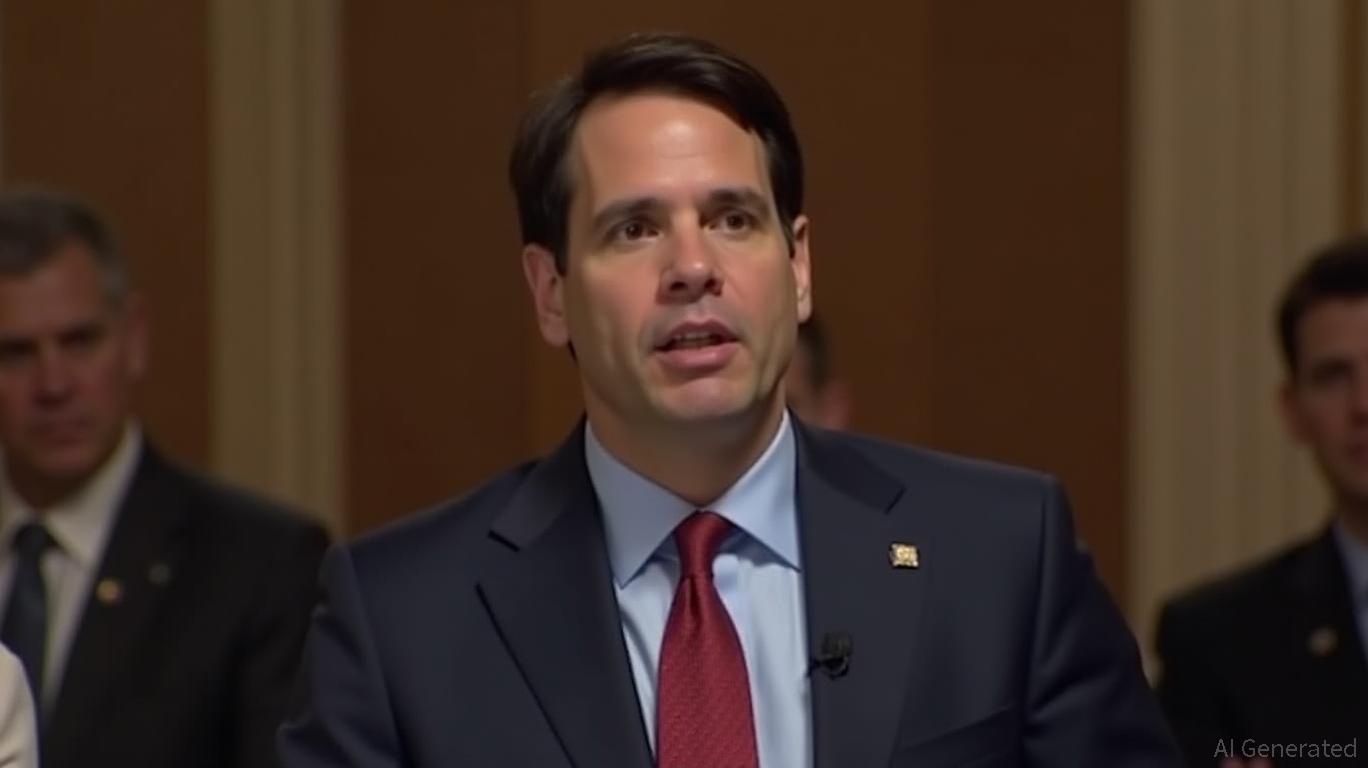
Rubio: US doesn't make decisions based on Cuban info
TL;DR
U.S. Secretary of State Marco Rubio asserts that American policies in the Caribbean and Latin America are independent of Cuban influence, focusing on regional stability, democratic governance, and energy partnerships. He defends U.S. military actions, including the capture of Venezuelan President Nicolás Maduro, amid criticism from regional leaders over transparency and legality. The U.S. emphasizes collaboration on crime, economic development, and energy needs, while Caribbean nations express concerns over sovereignty and military posturing.
Tags
Rubio: US doesn't make decisions based on Cuban info
U.S. Secretary of State Marco Rubio Emphasizes Sovereign Decision-Making Amid Caribbean Tensions
U.S. Secretary of State Marco Rubio has asserted that American policies in the Caribbean and Latin America are not influenced by intelligence or directives from Cuban authorities, despite ongoing regional tensions. Speaking at a closed-door meeting with Caribbean Community (CARICOM) leaders in St. Kitts and Nevis, Rubio defended the Trump administration's January 3 military operation that resulted in the capture of Venezuelan President Nicolás Maduro on drug trafficking charges. He emphasized that the U.S. prioritizes regional stability, democratic governance, and economic cooperation over external inputs.
Rubio stated that Venezuela's interim leadership, following Maduro's ouster, has made "substantial progress" in addressing humanitarian and economic challenges. He highlighted the U.S. commitment to fostering energy partnerships in the region, noting that Caribbean nations with untapped energy resources could benefit from collaborative efforts. "We want to be your partner in that regard," Rubio said, referencing shared opportunities in energy development.
The U.S. has also intensified its focus on countering transnational crime and drug trafficking in the Caribbean, with military strikes targeting suspected smuggling vessels since September 2025. These operations, which have killed over 150 people, have drawn criticism from regional leaders and lawmakers, who question their legality and transparency. Meanwhile, the Treasury Department recently eased restrictions on Venezuelan oil sales to Cuba, a move aimed at stabilizing energy markets amid Venezuela's post-raid fuel shortages.
Cuban officials have condemned U.S. actions, including the Maduro operation and recent clashes with a U.S.-flagged vessel in Cuban waters. However, Rubio reiterated that U.S. policies are guided by domestic priorities and regional security concerns rather than Cuban influence. "We share common opportunities and challenges," he said, framing the U.S. approach as a partnership to address crime, economic development, and energy needs.
Caribbean leaders, while acknowledging shared interests, expressed unease over U.S. military posturing and demands for third-country deportee agreements. Prime Minister Terrance Drew of St. Kitts and Nevis noted the region's "decisive hour" amid shifting global dynamics, including energy volatility and geopolitical realignments.
As the U.S. solidifies its 21st-century Monroe Doctrine strategy, the interplay between American assertiveness and Caribbean sovereignty will remain a focal point for regional economies and investors.