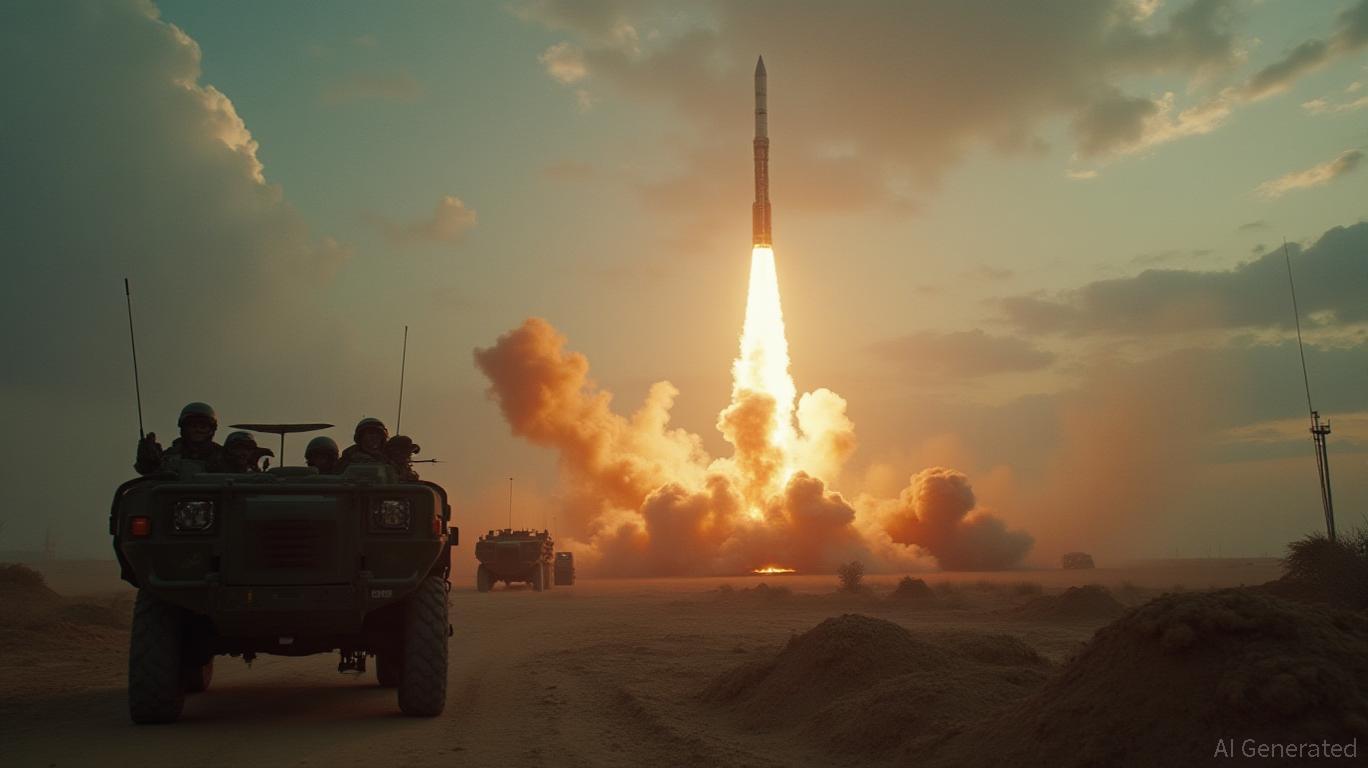
Israeli army: Detection of missile launches from Iran toward Israel and defense systems are working to intercept them
TL;DR
The Israeli military detects missile launches from Iran and uses defense systems like Iron Dome and Iron Beam to intercept them. The conflict causes oil price surges and economic disruptions, with high costs for defense operations and global market risks.
Israeli army: Detection of missile launches from Iran toward Israel and defense systems are working to intercept them
The Israeli military has detected missile launches from Iran targeting the country, with defense systems actively intercepting threats. Israel’s Iron Dome, a mobile anti-missile system developed by Rafael Advanced Defense Systems, has demonstrated a 90% success rate in intercepting short-range rockets and drones. Recently, the Iron Beam, an advanced laser-based defense system, was deployed for the first time to neutralize incoming projectiles, including those launched by Iran-backed Hezbollah in Lebanon. These systems operate alongside U.S. technologies such as the High-Energy Laser with Integrated Optical Dazzler and Surveillance (HELIOS), which has been used to destroy drones and disrupt missile trajectories.
The conflict has had immediate economic repercussions, with oil prices surging as Iranian attacks disrupt shipping through the Strait of Hormuz. U.S. crude prices rose by $10 per barrel in a single day, reaching $91, while gasoline prices hit $3.41 per gallon, a 14% weekly increase. Analysts warn that prolonged disruptions could strain global energy markets and slow economic growth. Meanwhile, the cost of defense operations remains significant: each Iron Dome interceptor costs between $35,000 and $50,000, compared to $800 for the rudimentary rockets it counters.
The U.S. and Israel have prioritized military infrastructure strikes, including Iran’s missile facilities and naval bases, while Iran has launched retaliatory drone and missile attacks. The war’s financial toll extends beyond defense spending, with humanitarian and energy market impacts amplifying risks for investors. As the conflict evolves, market participants are closely monitoring geopolitical developments and their potential to further destabilize global trade and commodity prices.