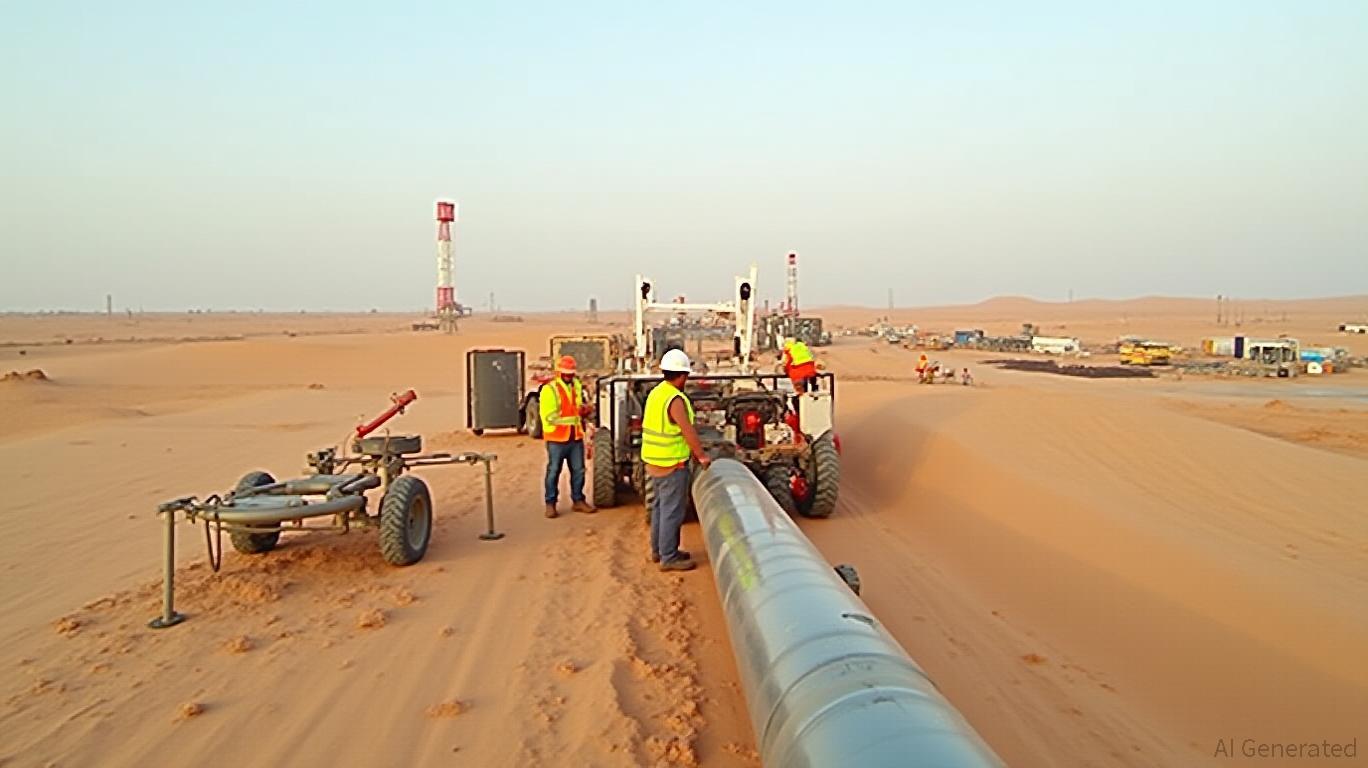
Iraqi Ministry of Oil: maintenance work ongoing to rehabilitate the oil pipeline between Kirkuk and the Turkish port of Ceyhan
TL;DR
Iraq is rehabilitating the Kirkuk-Ceyhan oil pipeline to diversify exports and reduce reliance on the Strait of Hormuz, following a U.S.-brokered deal to resolve disputes with the Kurdistan Regional Government. The pipeline aims to initially export 230,000 bpd, with potential to reach 600,000 bpd, amid ongoing challenges like security and political tensions. This effort is crucial as oil sales make up about 90% of Iraq's revenue, but success depends on federal-KRG coordination and regional stability.
Iraq’s Ministry of Oil has confirmed ongoing maintenance efforts to rehabilitate the Kirkuk-Ceyhan pipeline, a critical infrastructure project aimed at diversifying the country’s oil export routes amid regional instability. The pipeline, which had been idle since March 2023 due to a $1.5 billion arbitration dispute over unauthorized Kurdish exports to Turkey, is now under technical and logistical coordination between federal and regional authorities. Recent developments include a U.S.-brokered agreement in September 2025 to resolve a two-year standoff between Baghdad and the Kurdistan Regional Government (KRG), enabling the resumption of exports from Kurdish fields.
Under the proposed arrangement, the state-owned Oil Marketing Company of Iraq (SOMO) will oversee shipments, initially targeting 230,000 barrels per day (bpd) via the pipeline, with potential scaling to 600,000 bpd at full capacity. Iraq has also requested the KRG to pump at least 100,000 bpd from Kirkuk fields to Ceyhan to mitigate revenue losses from southern export disruptions, which have fallen to 1.3 million bpd due to Gulf export halts linked to regional conflicts.
The pipeline’s revival is part of broader efforts to reduce reliance on the Strait of Hormuz, a key but volatile transit point for Iraq’s oil exports. Crude sales account for roughly 90% of Iraq’s state revenue, making alternative routes a strategic priority. Challenges remain, including unresolved security guarantees and currency access for Kurdish traders. Analysts note that restoring the pipeline could stabilize Iraq’s fiscal outlook, though political tensions and infrastructure constraints persist. With southern production capacity at 1.3 million bpd and northern fields producing 350,000 bpd, the pipeline’s success hinges on coordinated federal-KRG operations and regional stability.