Ecuador used US intelligence and support to locate and bomb an alleged drug-traffickers’ camp near its northern border with Colombia, according to th...
TL;DR
Ecuador, with U.S. intelligence and military support, bombed a suspected drug-traffickers' camp near the Colombian border, targeting a group led by Mono Tole. The operation involved helicopters and drones, aimed at disrupting narcoterrorism as part of broader U.S. efforts in the region.
Ecuador used US intelligence and support to locate and bomb an alleged drug-traffickers’ camp near its northern border with Colombia, according to the defense ministry.
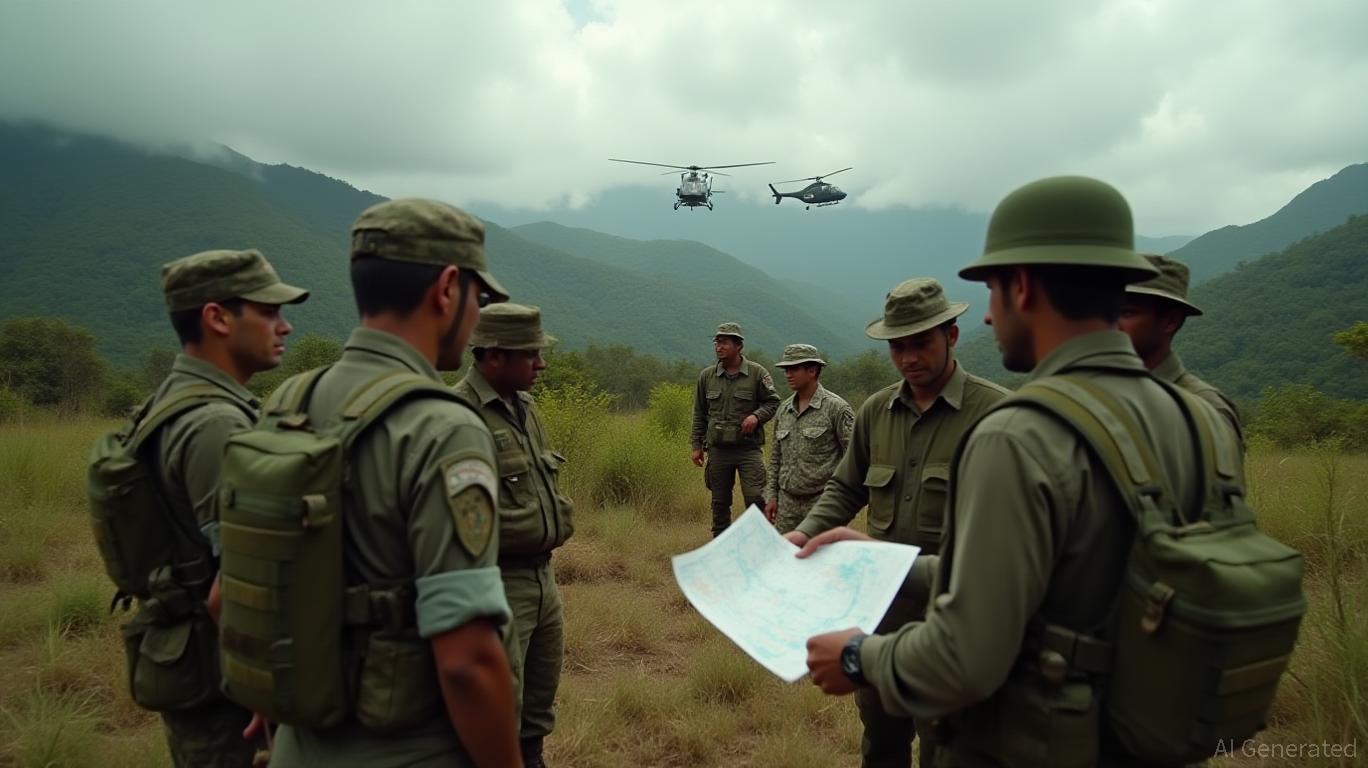
The Ecuadorian government, with U.S. intelligence and military support, conducted a joint operation to bomb a suspected drug-traffickers' training camp in the northeastern province of Sucumbios, near the Colombian border, according to the Ecuadorian Defense Ministry. The target, attributed to the Colombian dissident group Comandos de la Frontera (CDF), included a facility used for training and led by CDF leader Mono Tole. The operation involved helicopters, aircraft, river boats, and drones to locate and strike the site. U.S. Southern Command (Southcom) confirmed the collaboration, stating the action aimed to disrupt "Designated Terrorist Organizations" in Ecuador.
The U.S. military emphasized that the operation was conducted at the request of Ecuadorian authorities to advance shared objectives of countering narcoterrorism. While U.S. Special Forces have reportedly assisted Ecuadorian forces in preparing for such operations, American troops were not directly involved in the strike. Ecuadorian President Daniel Noboa, a close ally of U.S. President Donald Trump, has prioritized a military-led crackdown on organized crime and has imposed tariffs on Colombia, accusing it of insufficient action against drug trafficking.
The Trump administration has framed military interventions as essential to combating cartels, shifting from previous law enforcement-focused strategies. This aligns with broader U.S. efforts to reassert influence in the Western Hemisphere, including recent operations in Venezuela and Mexico targeting drug networks according to Time. The long-term financial and security implications of these actions remain under scrutiny, particularly regarding regional stability and cross-border trade dynamics.