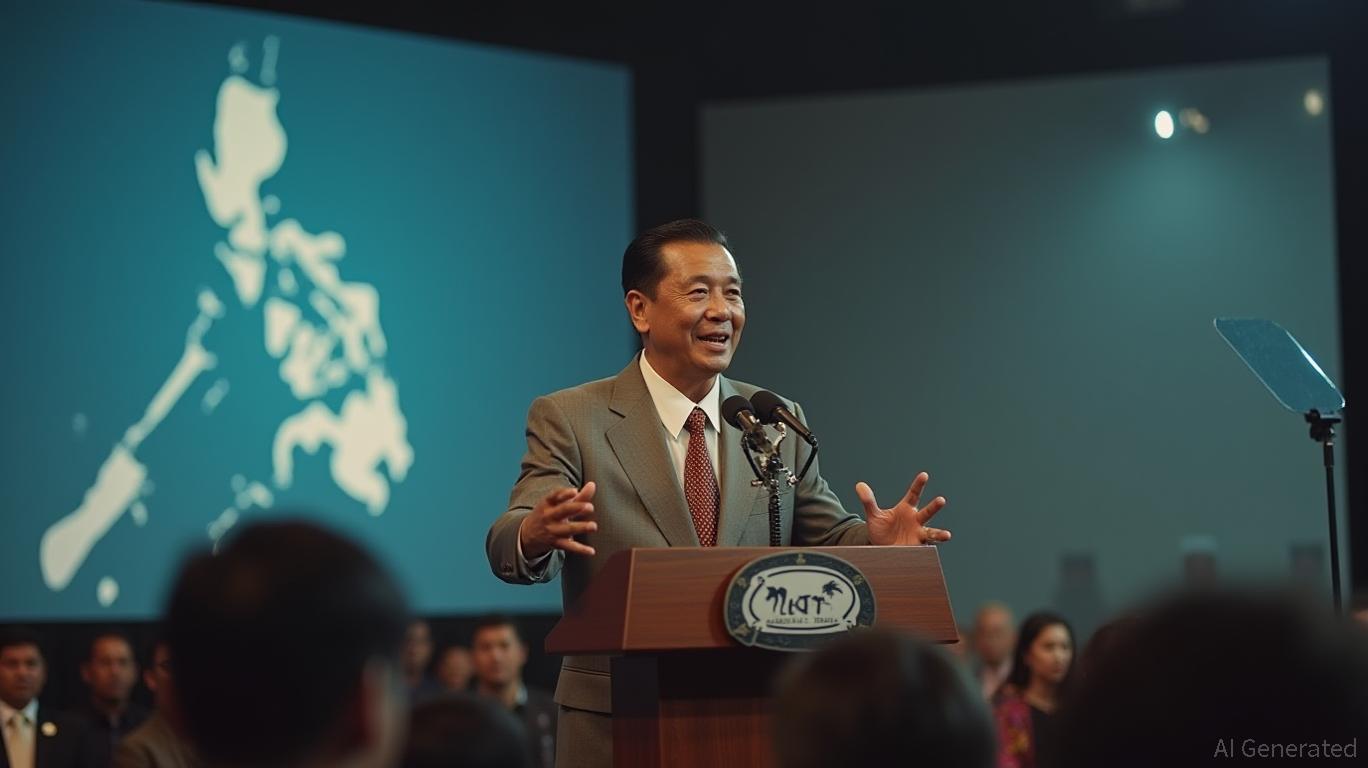
Marcos eyes targeted fuel subsidies in affected areas
TL;DR
President Marcos Jr. plans targeted fuel subsidies for PUV operators and drivers if global oil prices hit $80 per barrel, amid rising fuel costs due to Middle East conflicts. The government faces criticism for delays and calls for faster subsidy triggers and energy diversification.
Tags
Marcos eyes targeted fuel subsidies in affected areas
Marcos Eyes Targeted Fuel Subsidies for Sectors Most Affected by Oil Price Hikes
Amid surging global oil prices driven by escalating conflicts in the Middle East, President Ferdinand Marcos Jr. has directed the implementation of targeted fuel subsidies for sectors most vulnerable to price volatility, particularly public utility vehicle (PUV) operators and drivers. The Department of Transportation (DOTr) confirmed it is finalizing documentation for a P2.5 billion subsidy program, which will be activated if global crude prices reach $80 per barrel. This threshold, under the Pantawid Pasada Program, ensures immediate financial relief for transport workers facing rising operational costs.
Fuel prices in the Philippines are set to increase by up to P1.90 per liter on March 3, 2026, marking the 10th consecutive weekly rise for diesel and kerosene. The Department of Energy (DOE) attributed the spike to supply disruptions in the Strait of Hormuz, a critical oil chokepoint, following recent U.S. and Israeli strikes on Iran and retaliatory Iranian attacks across the region. Local oil firms have one to two months of inventory, but prices could climb further as the full impact of the crisis materializes.
While the government prepares for potential subsidy disbursement, business groups and transport advocates have criticized delays in addressing price hikes. MANIBELA, a transport sector coalition, condemned the DOE for failing to approve fare adjustment petitions, exacerbating financial strain on drivers and operators. Senator Sherwin Gatchalian proposed revising subsidy triggers to respond faster to price surges, suggesting automatic disbursement if weekly fuel price increases exceed a set percentage.
The Philippine Chamber of Commerce and Industry (PCCI) urged energy diversification to reduce reliance on Middle East imports, emphasizing renewable energy development and strategic fuel stockpiling. Meanwhile, the Department of Agriculture monitored staple food prices to mitigate inflationary pressures from higher logistics costs.
As the crisis unfolds, the Marcos administration faces mounting pressure to balance immediate relief with long-term energy resilience amid volatile global markets.