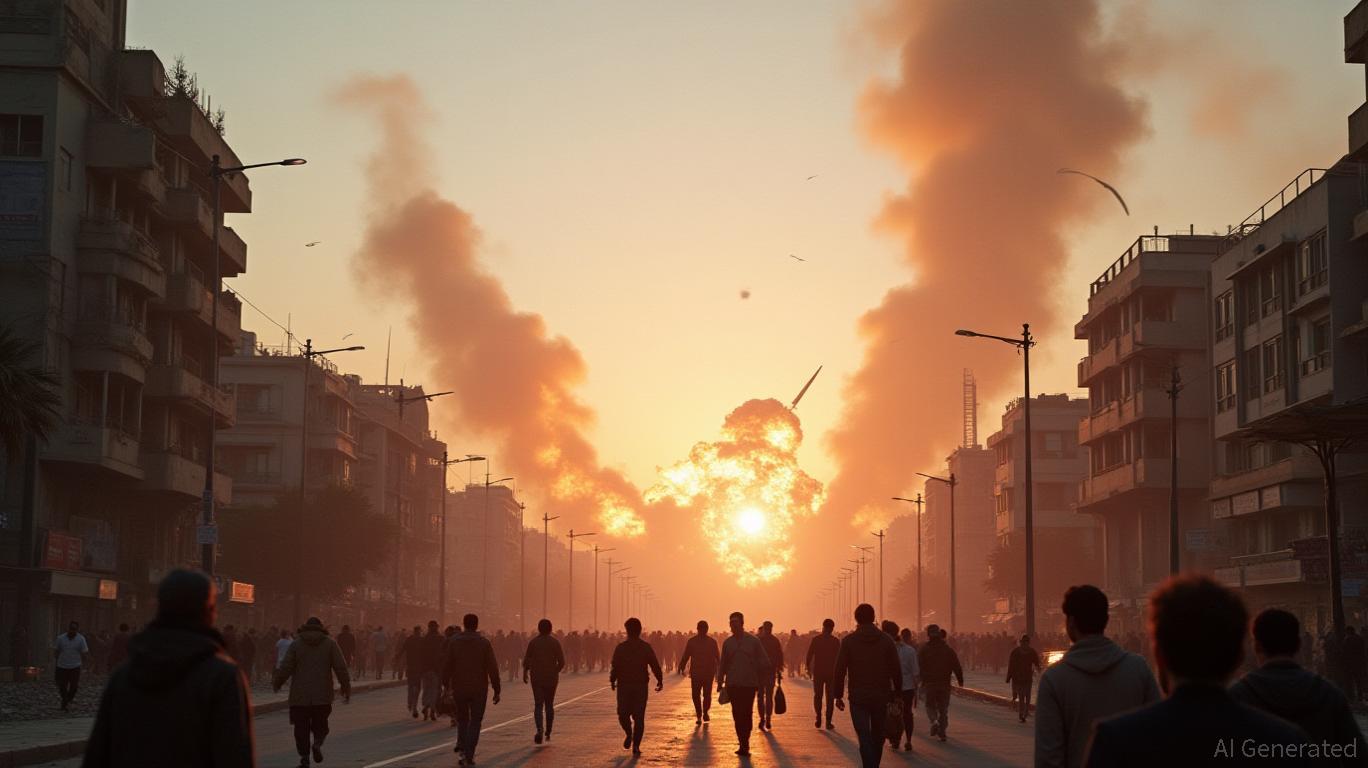
Continuous echoes of explosions in Tel Aviv due to interceptor missiles
TL;DR
Explosions in Tel Aviv on February 28, 2026, resulted from Israeli air defense intercepting Iranian missiles, causing casualties and escalating regional conflict with economic impacts on markets and energy prices.
Tags
Continuous echoes of explosions in Tel Aviv due to interceptor missiles
Continuous Echoes of Explosions in Tel Aviv Due to Interceptor Missiles
Explosions reverberated across Tel Aviv on February 28, 2026, as Israeli air defense systems engaged Iranian ballistic missiles in a rapidly escalating conflict. The Israeli military confirmed the interception of multiple projectiles, with emergency sirens prompting civilians to seek shelter. A residential building in Tel Aviv was struck by an Iranian missile, resulting in one fatality and 27 injuries, including children. The attack marked a significant escalation in direct hostilities between Israel and Iran, with financial markets and regional economies bracing for fallout.
The Israeli Defense Forces (IDF) reported that air defense systems, including the Iron Dome, successfully intercepted the majority of incoming missiles, though some debris caused collateral damage. The cost of maintaining and upgrading these systems has long been a financial burden for Israel, with annual defense spending exceeding $20 billion in recent years. The latest strikes underscore the vulnerability of urban centers to asymmetric warfare, potentially disrupting business operations and insurance markets in key economic hubs like Tel Aviv.
Globally, the conflict has already impacted energy markets. Iran's retaliatory missile launches and threats to the Strait of Hormuz—a critical oil transit route—have raised fears of supply disruptions, pushing Brent crude prices to a two-month high. Gulf Cooperation Council (GCC) nations, including the UAE and Saudi Arabia, have also reported missile strikes, compounding regional instability. The European Union's naval mission in the region warned of heightened risks to shipping, which could further strain global energy prices.
For investors, the prolonged conflict introduces volatility in Middle Eastern equities and commodities. Insurance companies face potential claims from infrastructure damage, while governments may redirect budgets toward emergency response and military expenditures. The U.S. and Israel have framed the strikes as a pre-emptive measure to dismantle Iran's nuclear capabilities, but analysts caution that further escalation could trigger broader regional hostilities, with cascading economic consequences.
As of late Saturday, the situation remains fluid, with both sides exchanging salvos and diplomatic channels struggling to contain the crisis. Financial professionals are advised to monitor developments closely, as even short-term disruptions in trade, tourism, and regional stability could have lasting market implications.