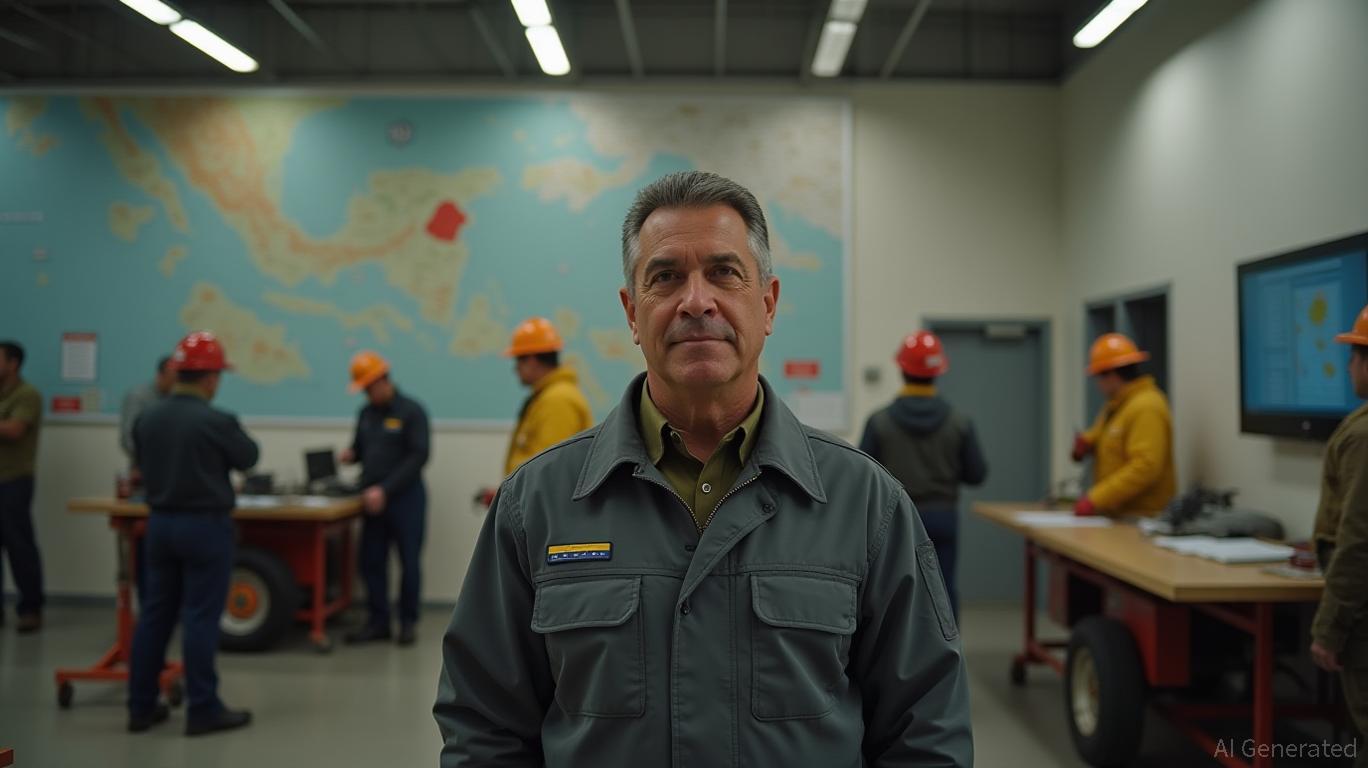
Interim President Rodriguez: Venezuela activated its emergency response system right after the earthquake
Interim President Delcy Rodríguez declared a state of emergency in Venezuela immediately following the twin earthquakes that struck on June 24, activating the country’s emergency response system. The government’s initial actions included offering condolences to victims and requesting international assistance. However, observers have noted that the subsequent response has been slow and inconsistent, with many areas still lacking adequate support.
The earthquakes have left thousands of people missing or presumed dead, with bodies buried under collapsed structures in regions like La Guaira. Rescue efforts have largely been carried out by international teams, including units from El Salvador, Spain, Qatar, and the United States, due to weakened emergency infrastructure. Analysts attribute this to years of economic mismanagement, corruption, and sanctions, which have eroded public services and emergency preparedness.
Criticism has mounted over the government’s handling of the crisis, with delays in allowing rescue teams to enter the country and restrictions on access to affected areas. Some residents have taken matters into their own hands, breaking through security cordons to search for survivors. The military, which has played a prominent role in past political events, has been largely absent from the relief efforts, raising further concerns about the government’s capacity to manage the disaster.
While the government has received international aid, experts suggest that the response has not been sufficient to restore public confidence in Rodríguez’s leadership. The crisis has highlighted the fragility of Venezuela’s institutions and the challenges facing the interim administration as it seeks to stabilize the country amid ongoing political and economic turmoil.