Raízen, Creditors Near Deal for Out-of-Court Debt Rework
TL;DR
Brazilian sugar and ethanol producer Raízen is nearing an out-of-court debt restructuring deal with creditors, potentially this week. Shareholders Shell and Cosan founder have pledged 4 billion reais, while BTG Pactual withdrew from talks, intensifying creditor scrutiny.
Key Takeaways
- •Raízen is close to an out-of-court debt restructuring agreement with main creditors, possibly finalized this week.
- •Shareholders Shell and Cosan founder Rubens Ometto agreed to inject 4 billion reais, involving debt-to-equity conversion and asset sales.
- •Cosan has exited rescue talks with Shell, leaving creditors to negotiate directly with Shell about Raízen's future.
- •BTG Pactual withdrew from discussions due to disagreements with Shell's terms, leading to increased scrutiny from banks and bondholders.
- •Raízen faces financial strain from high interest rates, poor harvests, and heavy investments, with net debt surging 43% to 55.3 billion reais and leverage rising significantly.
Tags
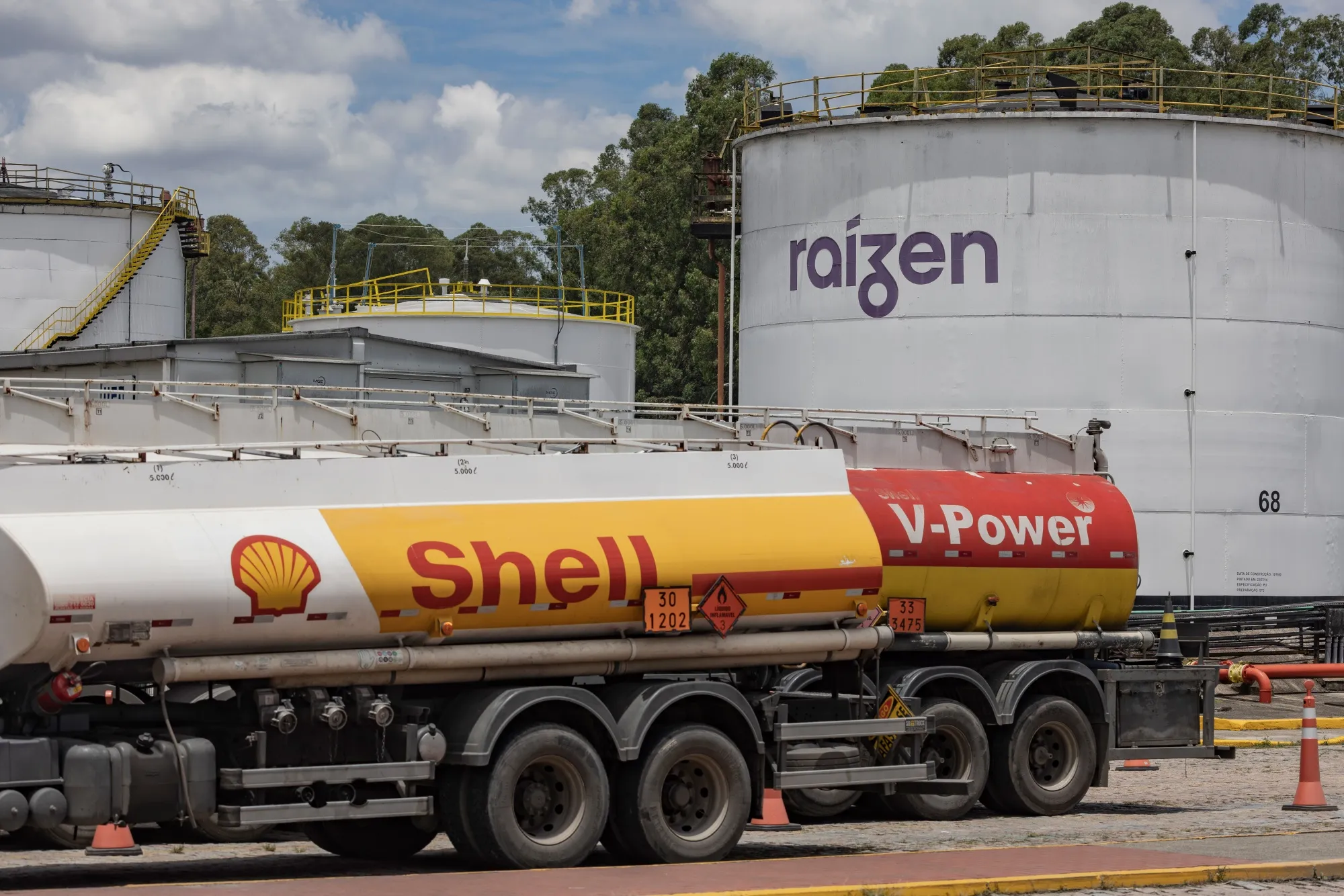
Brazilian sugar and ethanol producer Raízen SA is close to reaching an agreement with its main creditors to start an out-of-court debt restructuring, according to people familiar with the matter.
A deal with debt holders could come as soon as this week, the people said, asking not to be named because the information is private. The company has been in discussions with banks for the past week, and both Raízen and its lenders have reduced hedges that had been put in place to service dollar-denominated debt as talks progress, the people said.
Cosan SA, which co-owns Raízen through a joint venture with Shell Plc, is no longer in talks with the oil producer to rescue the company, Chief Executive Officer Marcelo Martins said during an earnings conference call Tuesday. Creditors are now discussing the future of Raízen with Shell and talks are evolving, he added.
Read More: Cosan Exits Raízen Debt Talks on Disagreement Over Unit’s Split
Raízen said last week it could go into an out-of-court restructuring process as it looks for a solution for its debt woes. Shareholders Shell and Cosan founder Rubens Ometto agreed to inject a combined 4 billion reais ($777 million) into the company as part of a proposal that includes a broader debt rework that may involve converting part of the company’s debt into equity, extending maturities on the remaining balance and divesting non-strategic assets.
It’s a dramatic reversal for what was once Brazil’s leading biofuels producer. Earlier efforts to shore up Raízen fell apart after Cosan and Shell failed to agree on how much money to put into the company.
Private equity funds managed by Banco BTG Pactual SA, also involved in the talks, disagreed with several terms proposed by Shell and decided against further investment, a person familiar with the matter said last week.
Read more: Raízen Mulls Out-of-Court Restructuring, Holders Pledge Cash
Since BTG stepped away from discussions, banks and bondholders have intensified scrutiny of Raízen’s capital structure, people familiar with the matter said, asking not to be identified because the talks are private.
Raízen, Cosan and BTG declined to comment. Shell didn’t respond to a request for comment. Last week, Shell said that it’s “helping to alleviate the financial challenges that Raízen is currently facing,” and proposed a contribution of 3.5 billion reais as part of a structural solution.
Since last week, foreign-exchange traders and money managers across Brazil reported a significant wave of hedge unwinding linked to transactions tied to the company. The flows affected both the exchange spot rate and the so-called cupom cambial, the onshore dollar interest rate implied in the FX swap market that is widely used as a benchmark for the cost of hedging dollar exposure.
Valor Econômico reported earlier on the hedge reductions.
Raízen has been squeezed by high interest rates, weaker harvests and heavy investments that have yet to pay off. The woes eroded its cash flow and caused its debt load to surge. The company ended the past year with total net debt of 55.3 billion reais, up 43% from a year earlier. Leverage rose to 5.3 times earnings before items such as interest and taxes, up from 3 times in the previous year.
The company’s bonds, already under pressure, tumbled after it shifted its tone on potential restructuring talks earlier this year. Credit-rating firms rushed to cut it from investment grade deep into junk territory, deepening the selloff.
Raízen’s debt due in 2034, which traded above 80 cents on the dollar until February, is currently exchanging hands at about 49.5 cents on the dollar, according to Trace data. Yields are hovering around 19% — down from a peak of 25% in February, but still well above levels considered distressed in credit markets.