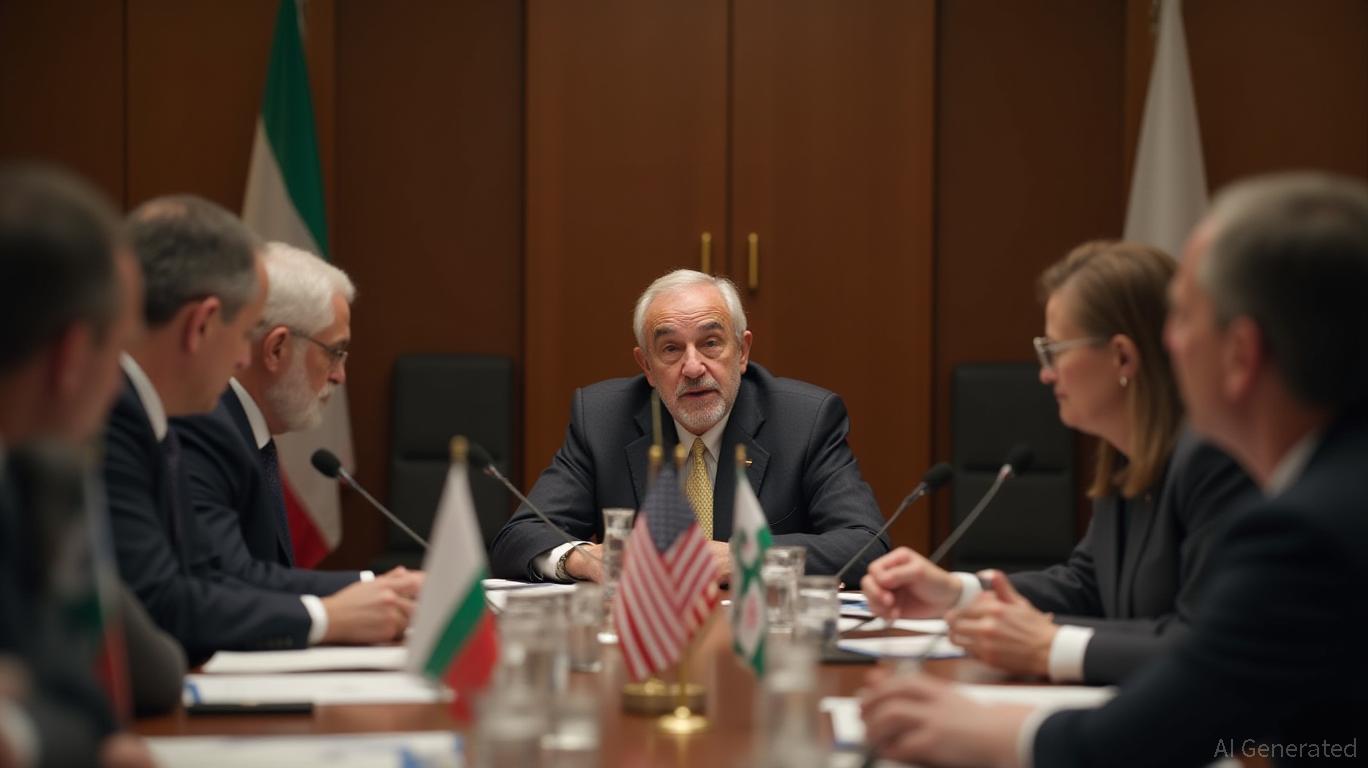
Saudi outlet Hadath reports the Iranian delegation refused to pose for a photo with the U.S. delegation.
The U.S. and Iranian delegations reportedly arrived in Islamabad for a second round of ceasefire talks, but tensions emerged when the Iranian delegation refused to pose for a photo with their U.S. counterparts, according to Saudi outlet Al Hadath. This refusal highlights the fragile nature of the ongoing diplomatic efforts, which aim to stabilize a region already strained by recent military exchanges and economic pressures.
The U.S. delegation, including Vice President JD Vance, reportedly arrived in Islamabad as part of a broader strategy to de-escalate tensions and facilitate a political resolution. However, the Iranian delegation reportedly hesitated to travel due to pressure from the Islamic Revolutionary Guard Corps (IRGC), which reportedly insisted on a stronger stance and the removal of U.S. blockades in the Strait of Hormuz. This internal division within Iran’s leadership complicates diplomatic efforts and raises questions about the sustainability of the current ceasefire.
Meanwhile, Saudi Arabia has called for de-escalation, expressing concern over recent military actions and emphasizing the need for diplomatic solutions. The region remains volatile, with economic and security implications for global markets, particularly in energy and trade. As negotiations continue, the refusal to engage in symbolic gestures like joint photographs may reflect deeper mistrust and the challenges of achieving a lasting agreement.