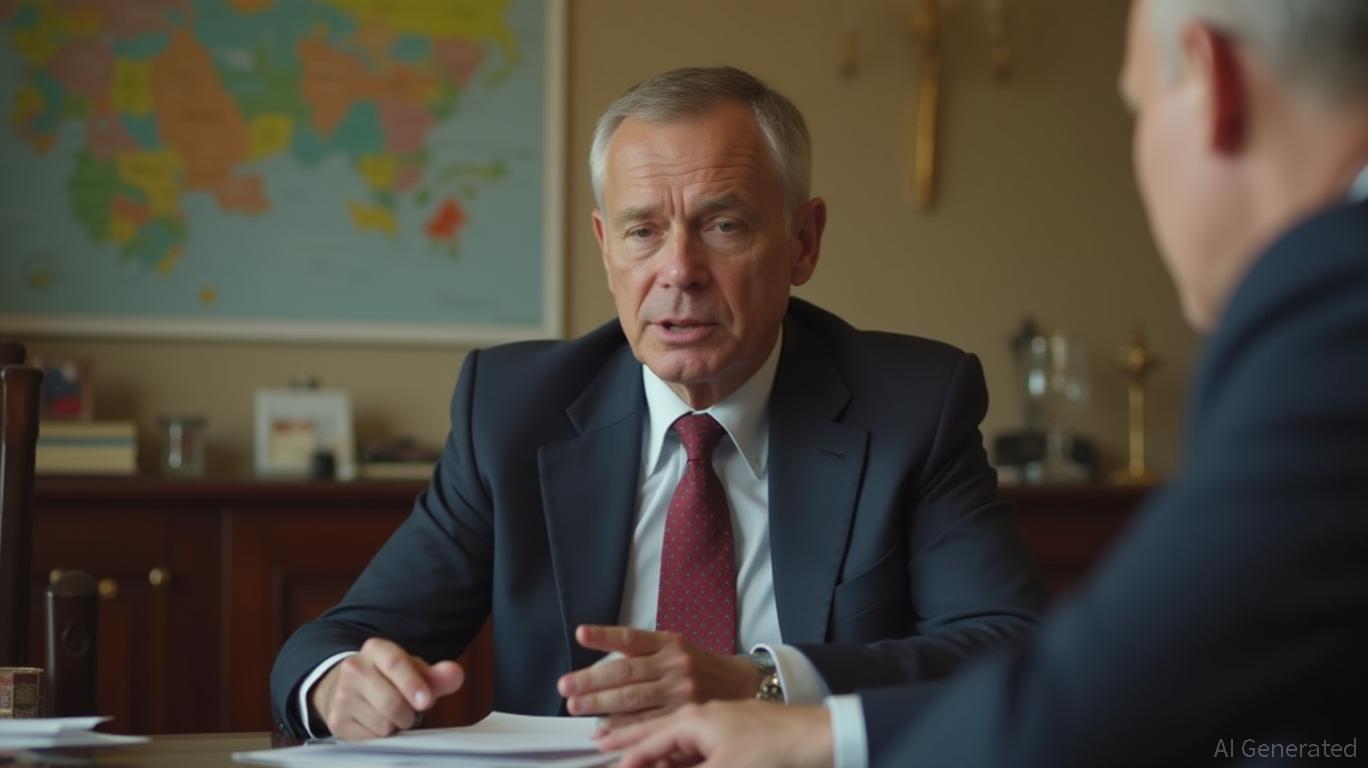
Hungary PM Orbán held phone call with Russia's Putin on Tuesday, discussed the situation in the Middle East and Ukraine - Hungarian govt spokesman
TL;DR
Hungarian PM Orbán and Russian President Putin discussed Middle East tensions, Ukraine, and energy cooperation in a phone call. They focused on securing Hungary's energy supplies from Russia and advancing the Paks nuclear plant project.
Tags
Hungary PM Orbán held phone call with Russia's Putin on Tuesday, discussed the situation in the Middle East and Ukraine - Hungarian govt spokesman
Hungary and Russia Discuss Energy Cooperation, Middle East Tensions in Recent Talks
Hungarian Prime Minister Viktor Orbán and Russian President Vladimir Putin held a telephone conversation on Tuesday, March 3, 2026, addressing geopolitical developments and bilateral economic ties, according to Kremlin and Hungarian government statements. The discussion focused on the escalating tensions in the Middle East, particularly involving Iran, and their potential implications for global energy markets.
A key emphasis of the call was the implementation of agreements reached during their November 28, 2025, meeting in Moscow. These include guarantees for Hungary's long-term energy supplies from Russia, with Putin confirming the delivery of contracted oil and gas volumes via the Druzhba and TurkStream pipelines. Additionally, the leaders agreed to accelerate construction of the Paks nuclear power plant expansion, a major infrastructure project expected to bolster Hungary's energy security. Work on the plant is set to commence in February 2026.
The conversation also touched on the situation in Ukraine, with Putin acknowledging Hungary's diplomatic approach to resolving the conflict and its commitment to a sovereign foreign policy. Orbán's government has consistently advocated for a balanced stance in international affairs, balancing relations with both Western allies and Russia.
Geopolitical risks, particularly in the Middle East, were highlighted as a concern for global energy markets. The leaders noted the potential for regional instability to disrupt supply chains and volatility in energy prices.
Hungary's reliance on Russian energy imports remains a critical component of its economic strategy, despite broader European efforts to diversify energy sources. The Paks nuclear project, valued at over €12 billion, underscores Budapest's long-term investment in energy infrastructure.
The leaders agreed to maintain regular communication to address ongoing challenges and advance cooperation according to Kremlin statements. Investors are likely to monitor developments in energy markets and geopolitical dynamics, as these could influence trade flows and investment decisions in the region.
According to Kremlin press release: Kremlin press release; Anadolu Agency: Anadolu Agency; Caliber.Az: Caliber.Az.