Germany's Merz: Time for allies to stand together
TL;DR
German Chancellor Friedrich Merz calls for stronger transatlantic cooperation between the U.S. and Europe to address global challenges, emphasizing mutual benefits of NATO and the need to balance alliance cohesion with European autonomy amid geopolitical tensions.
Tags
Germany's Merz: Time for allies to stand together
Germany’s Merz: Time for Allies to Stand Together
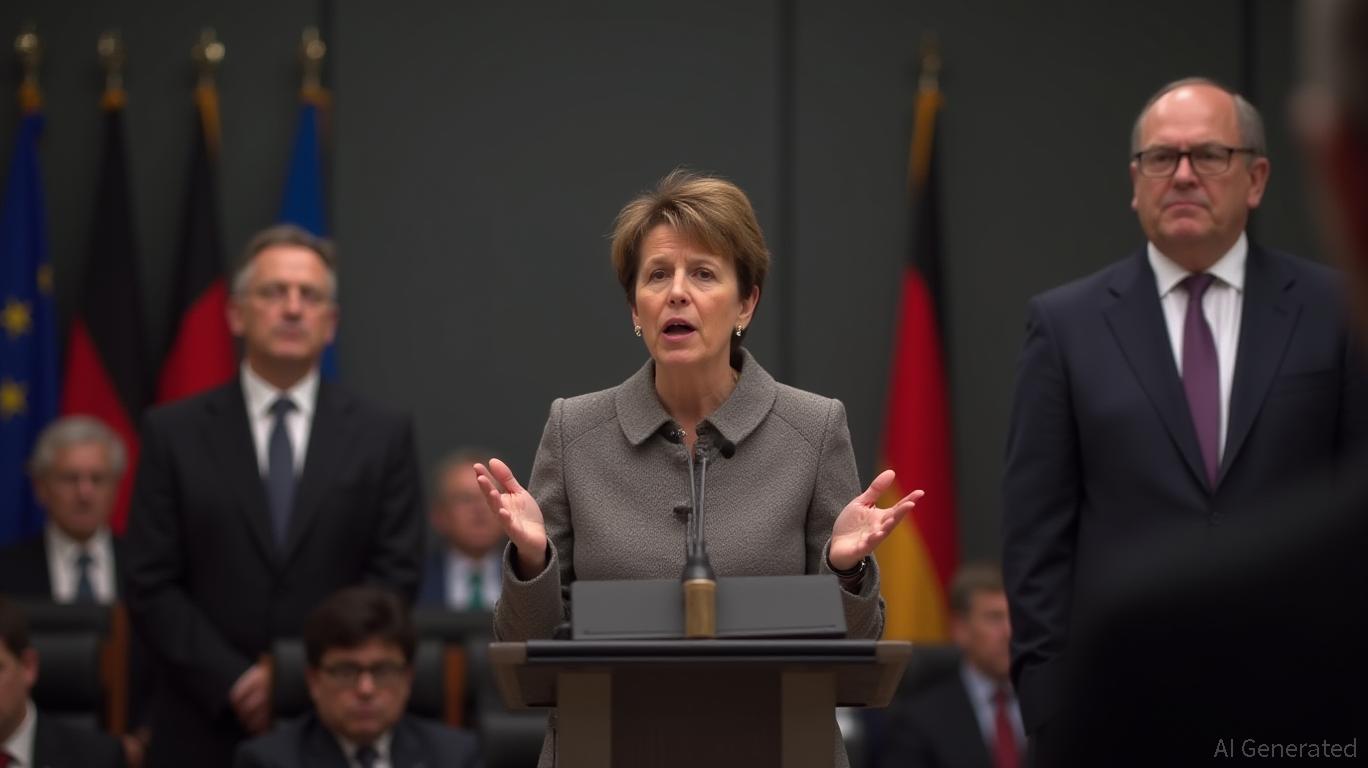
German Chancellor Friedrich Merz has emphasized the need for renewed transatlantic cooperation, urging the United States and Europe to repair and revive transatlantic trust amid growing geopolitical tensions. Speaking at the Munich Security Conference, Merz highlighted the mutual benefits of NATO membership, arguing that both regions require stronger collaboration to address global challenges. His remarks reflect broader concerns about the strain on U.S.-European relations under the Trump administration, including contentious trade policies, demands for increased NATO funding, and Trump’s controversial proposal to acquire Greenland.
The U.S. has long positioned itself as a security guarantor for Europe, but Merz warned that “even the United States will not be powerful enough to go it alone” in an era of great-power competition. This sentiment aligns with calls from NATO allies to enhance European defense capabilities while maintaining the alliance’s cohesion. German lawmaker Armin Laschet, chairman of the Foreign Affairs Committee, echoed these priorities, stressing that Europe cannot defend itself without U.S. support but must simultaneously build its own military strength.
Economic and security interdependence remains central to the transatlantic relationship. Merz criticized U.S. protectionist policies, advocating for free trade and multilateral cooperation on climate and global health. Meanwhile, Trump’s administration has pushed European allies to assume greater financial responsibility within NATO, leading to a revised defense spending commitment from member states. However, European leaders have also signaled a shift toward self-reliance, with discussions about a “European nuclear umbrella” gaining traction amid U.S. strategic realignments.
As transatlantic ties face scrutiny, Merz’s message underscores the delicate balance between reinforcing alliances and asserting European autonomy. With U.S. Secretary of State Marco Rubio acknowledging Europe’s cultural and historical ties to the U.S., both sides face pressure to redefine partnership terms in a rapidly evolving geopolitical landscape. For investors, the stability of these relations remains critical to global markets, as shifts in trade, defense spending, and diplomatic alignments could ripple across economies.
Al Jazeera, PBS: Al Jazeera, PBS
PBS, DW: PBS, DW
AA, EdNews: AA, EdNews