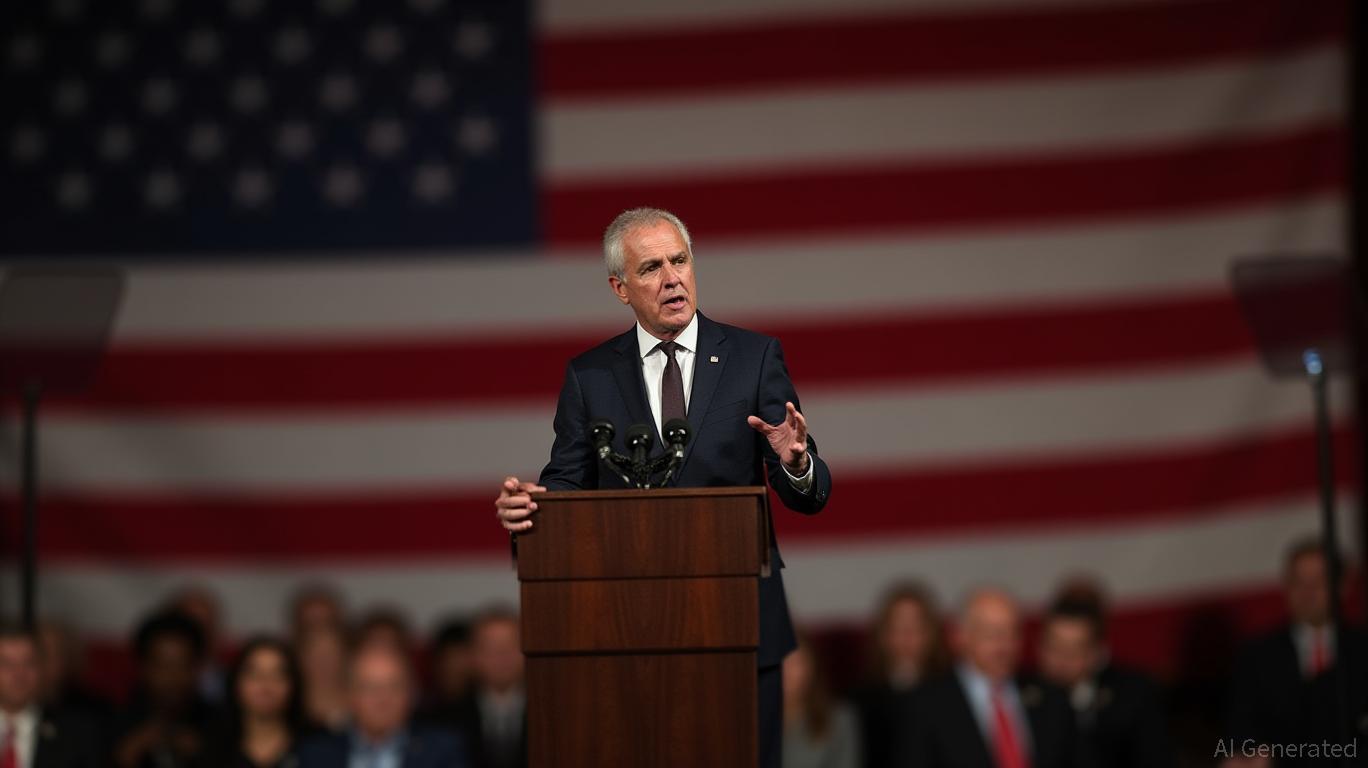
Leavitt: Iranian regime is being crushed
TL;DR
White House Press Secretary Karoline Leavitt states the Iranian regime is under pressure from protests and geopolitical tensions, but analyses show its survival relies on institutional resilience, crisis externalization, and pragmatic governance, preventing collapse despite economic and social challenges.
Tags
Leavitt: Iranian regime is being crushed
Leavitt: Iranian Regime Faces Pressure Amid Protests and Geopolitical Tensions
White House Press Secretary Karoline Leavitt recently indicated that the Iranian regime is under significant strain, citing ongoing protests and geopolitical pressures. However, analyses of Iran’s political and economic landscape suggest the regime’s survival hinges on a complex interplay of institutional resilience, strategic externalization of crises, and pragmatic governance.
The 2022-23 protests in Iran, the most widespread and sustained since the 1979 revolution, have exposed deep societal frustrations over economic mismanagement, inflation, and the regime’s legitimacy. International sanctions, compounded by domestic inefficiencies, have eroded public trust in the government’s ability to provide essential services and maintain purchasing power. Despite these challenges, the Islamic Republic has demonstrated remarkable endurance.
The regime's institutional structure, characterized by a balance of power among clerical, military, and bureaucratic factions, has historically insulated it from collapse. Supreme Leader Ayatollah Ali Khamenei, while constitutionally empowered, delegates decision-making to competing elites, distributing responsibility for policy failures and mitigating systemic risks. This decentralized approach contrasts with the personalized autocracy of the deposed Pahlavi dynasty, which collapsed in 1979.
Geopolitical maneuvering has also played a role. The regime has externalized domestic unrest by blaming foreign actors, such as Saudi Arabia and the U.S., while targeting Iranian Kurdish opposition groups in Iraqi Kurdistan. Meanwhile, President Donald Trump’s administration has emphasized diplomacy as its primary tool for addressing Iran’s nuclear ambitions, though Leavitt noted the president is prepared to authorize "lethal force" if negotiations fail.
Economically, Iran's reliance on oil exports and its struggle to counter inflation and currency devaluation remain critical vulnerabilities. While the government has increased subsidies and pensions, these measures have failed to offset the erosion of real incomes.
In conclusion, while Leavitt’s remarks highlight the Iranian regime’s fragility, the regime’s institutional design, externalization of crises, and pragmatic governance have thus far prevented its collapse. Investors and policymakers must monitor both domestic unrest and evolving U.S.-Iran dynamics, as these factors could reshape regional stability and financial markets.
Iran's 2022-23 Protests: Why Has the Regime Survived? (AGSI, 2024)
Trump willing to use 'lethal force' on Iran if diplomacy falters (Fox News, 2026)